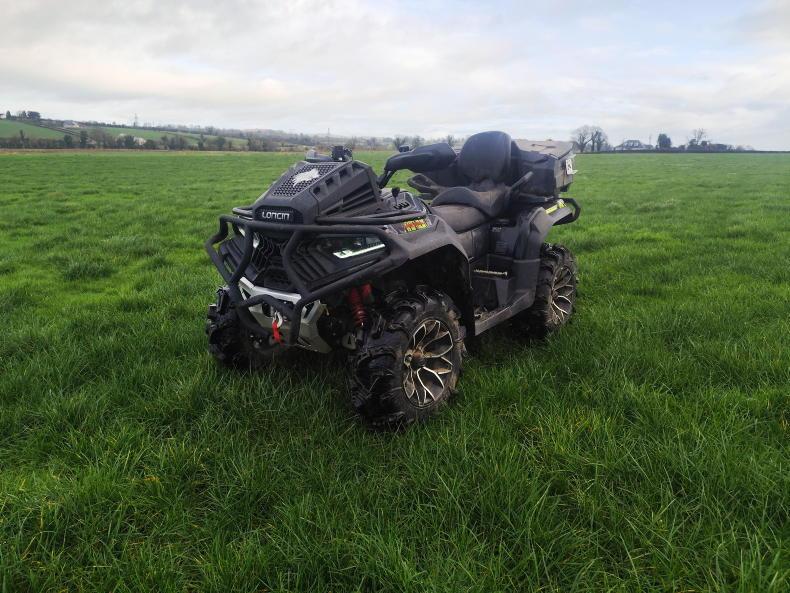
Buying a box-fresh farm quad isn’t always feasible, especially when margins are tight or where the cost of a new machine cannot be justified.
A new farm quad from a perceived premium brand is likely to cost somewhere between €9,000 and €13,000 plus VAT. At the same time a growing number of Asian brands have arrived to the market, offering a similar size machine for a fraction of the price.
While some may see the latter as an opportunity to purchase a new machine for almost the same price as a used premium brand machine, others will avoid the associated unknowns of these ‘budget’ brands and opt for a premium used machine, purely based on brand reputation, parts availability, etc.
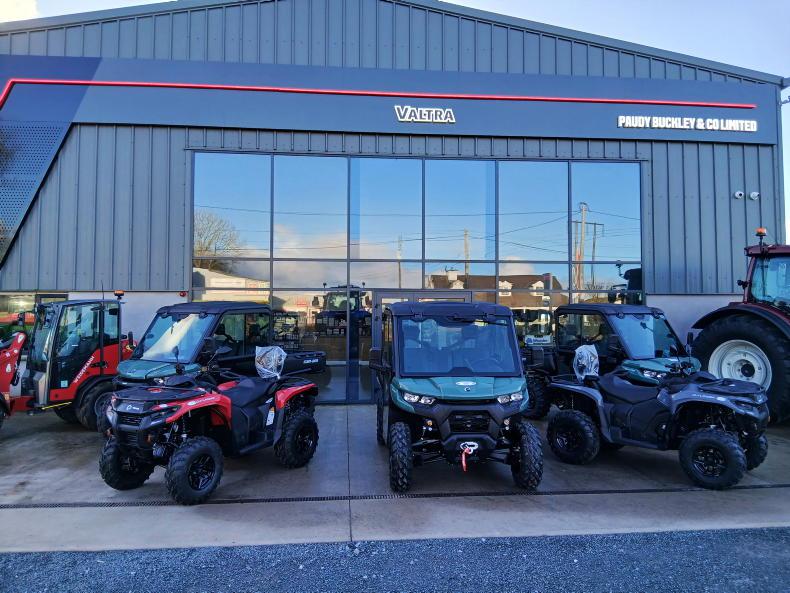
As with any used purchase, there’s always some uncertainty about a machine’s history and condition. Buying from a reputable dealer is advisable, particularly if you’re not mechanically minded. Dealers often service the machine and provide a warranty, offering added peace of mind.
We recommend choosing a recognised brand with a proven track record, as parts are more likely to be readily available. Research common issues with the specific model so you know what to look for. Ultimately, assess each machine’s hours and condition in relation to the asking price.
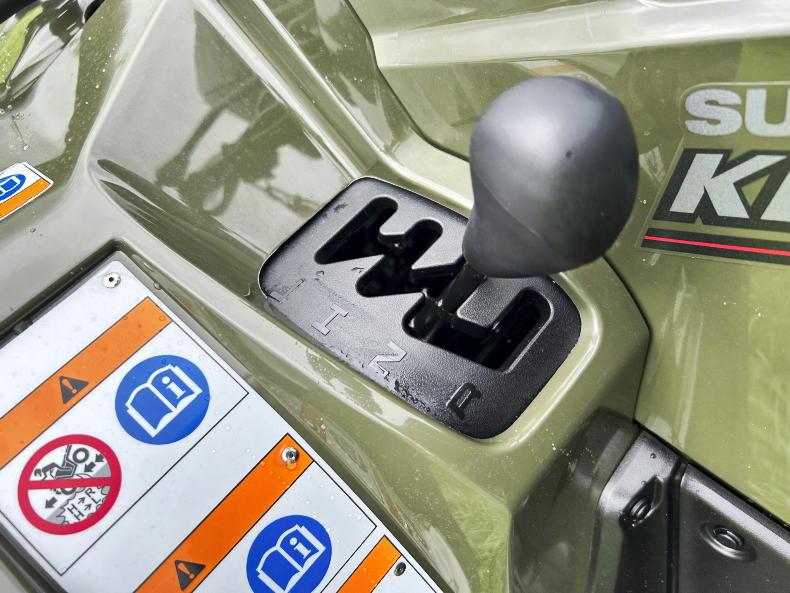
Check that the transmission is smooth and that all gears are easily selected.
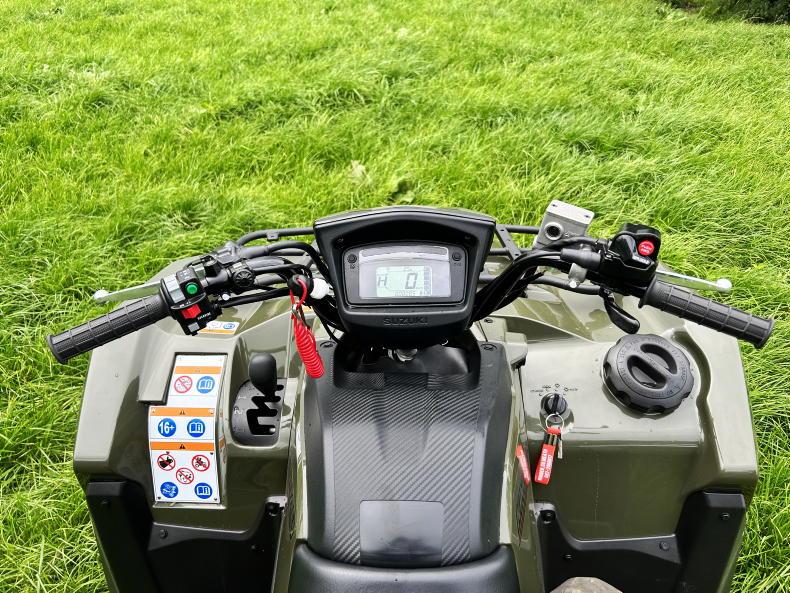
Where power steering is fitted, ensure it is working.
Establish your needs
This may seem like an obvious point, but take into consideration what exactly it is you intend to do with the quad. Do you need a machine to just check livestock, or do you need a machine to handle a fencing box and spread fertiliser?
For example, if it’s a machine for farm use, that may end up doing some occasional fertiliser spreading, then you’ll likely require a 4WD machine somewhere around the 500cc mark for comfort, depending on the size of the spreader etc. Although the majority of modern machines are fitted with belt-driven CVT transmissions, the used market will also feature manual and electric powershift models.
The belt-driven CVT is an easy to use, smooth and trouble-free option worth considering, if at all possible. For farm use, look for a durable machine that is equipped with good cargo racks. Consider whether or not you need a road-legal quad or other possible options, such as independent suspension, electric power-assisted steering, etc.
Power-assisted steering is a super option at slower speeds or when carrying cargo. However, it is a reasonably new feature and only fitted on more modern machines, so this will really depend on budget.
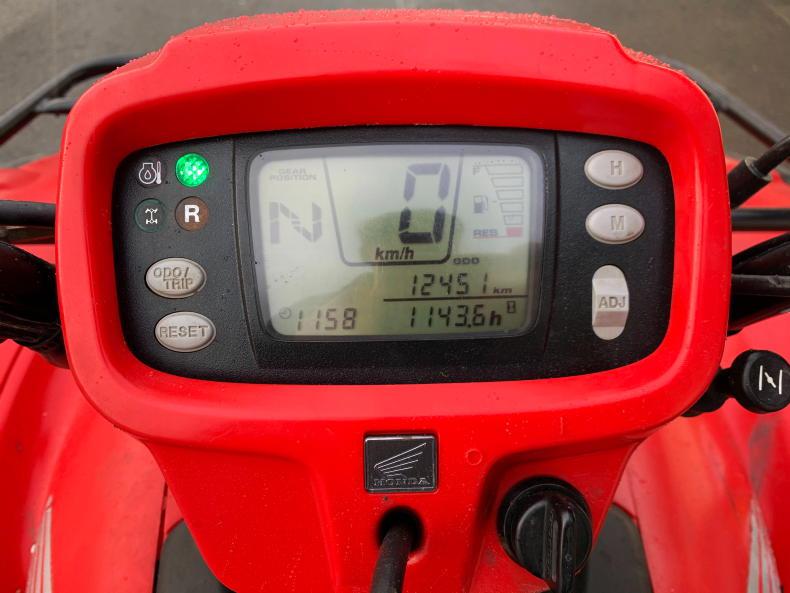
Assess each machine’s hours and condition in relation to the asking price.
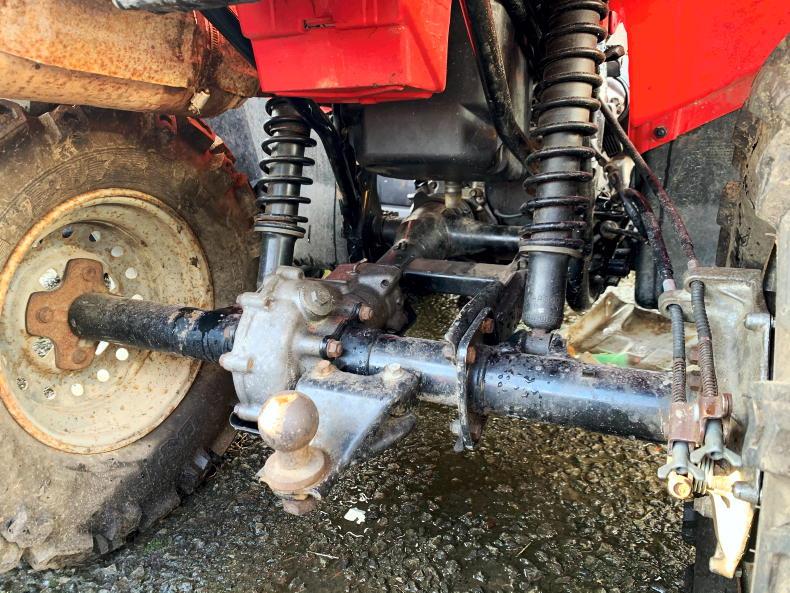
Check the condition of the chassis and suspension.
Was it stolen?
One of the first things to look out for, especially when buying private, is whether or not the quad has been stolen. To check this, ensure the Vehicle Identification Number (VIN), or chassis number, is present and has not been tampered with.
Financing the purchase of new ATVs and UTVs has become very popular. We strongly advise you to carry out a finance check to ensure there is no remaining debt on the machine.
Once you have invested in an ATV, it’s advisable to invest in a tracking device. Remember to record the machine’s chassis number and have it insured.
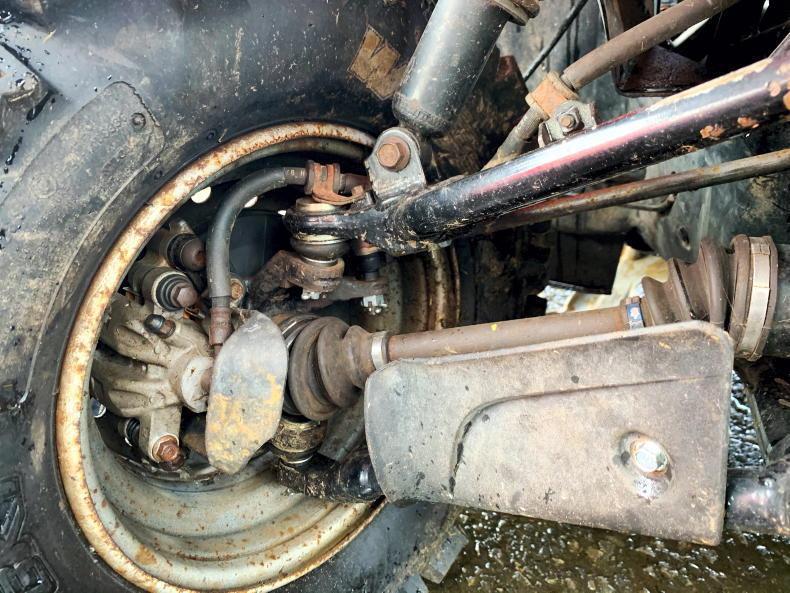
Account for worn joins or suspension components.
Body condition and appearance
General appearance and body condition tends to tell a lot about the level of care taken by the previous owner. It’s important to inspect the quad’s frame for rust or welds. Plastic panels can be costly to replace, but still an easier fix compared to a cracked, strained or rusted chassis.
Strain can occur if a machine has been used to tow loads over the rated capacity, or from anywhere other than the tow hitch. Where there is excessive rust or signs of strain or cracks, we would strongly consider passing on this machine.
If plastic panels are damaged, consider repair or replacement costs. Most plastics will fade and eventually turn brittle, which is a strong indication that the quad was predominantly parked outdoors.
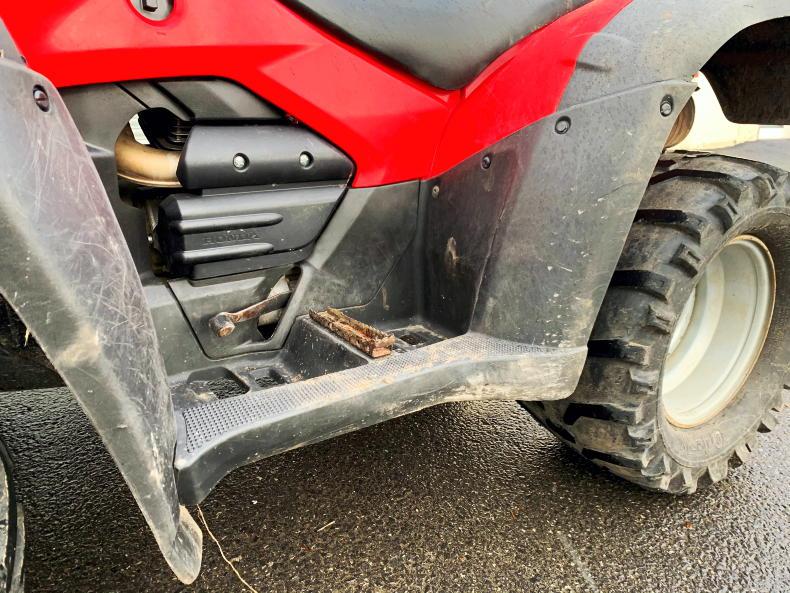
General appearance and body condition tends to tell a lot about the level of care taken by the previous owner.
Engine
As already outlined, where a machine is being sold by a reputable dealer and with warranty, then there should be nothing to fear. Oftentimes the dealer may know the history of a particular machine and be able to provide peace of mind. With a private sale it’s a case of trusting your own instinct and the seller.
Check engine oil level and air filter condition before starting the engine from cold – this is the most likely time to hear any potential issues. When running, listen to how the engine idles, observing for smoke. It should start easily and idle smoothly. A little white smoke on startup can be normal with a machine that hasn’t been started in some time, once it disappears within 30 or so seconds. This tends to be water vapour burning off.
A lazy-starting petrol engine generally has one of two issues; the spark plug is worn, or the starter motor needs repair. A machine that is misfiring or remains smoky once warmed, should be questioned and potentially avoided, as it could be a symptom of several possible issues. The sound of an engine and how it responds while driving is a good indication of its health.
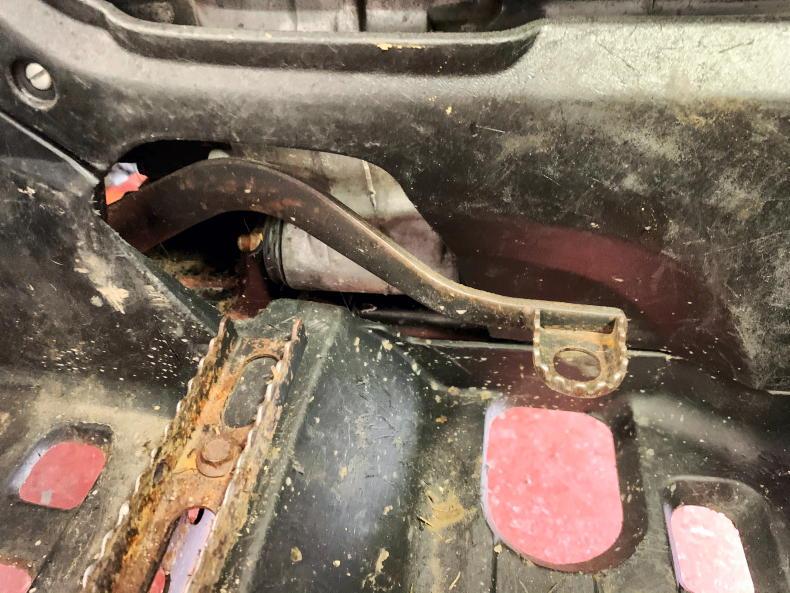
A seized foot brake is common.
Transmission
Belt-driven stepless (CVT) transmissions are now standard with most brands, with the exception of Honda and one or two others which offer manual or electric powershift. Apart from the belt slipping, the belt-driven transmission is easily maintained.
Manual shift models tend to be trouble-free, while electric shift, depending on how the machine was operated by its previous owner (starting off in high gears, labouring, etc), can slip or fail to select gears due to worn brushes in the shift motor. With the latter, ensure each gear change is smooth and easily selected on both the upshifts and downshifts.
Machines with selectable 4WD should be checked, ensuring it engages and disengages at the press of the button. It’s not uncommon for 4WD to not disengage straight away; coming to a stop or engaging the brakes generally does the trick. If fitted, the front and rear locking differentials should be checked to see if they’re engaging and disengaging.
Suspension and brakes
Suspension degrades over time, therefore older machines coming off farm may have tired shocks, in need of replacement. Remember, machines with independent suspension have more moving parts in comparison to a fixed swingarm design.
Lack of comfort or shock response and/or sagging will indicate that the shocks need to be replaced. When weight is placed and released on the suspension system, it should return to its original position nice and slowly. Check bearing condition and that linkages and pivots are not damaged.
Check the steering linkage for wear or stiffness. Stiffness when moving the handlebars could be as simple as under-inflated front tyres. If not, follow the steering linkage back to the hubs, in search of play or wear.
Finally, check the condition of brakes. It’s common for the foot pedal to become seized and/or drum brakes to seize, especially if not in regular use. The brake cable generally seizes from lack of use or buildup of dirt and results in brakes sticking.
Buying a box-fresh farm quad isn’t always feasible, especially when margins are tight or where the cost of a new machine cannot be justified.
A new farm quad from a perceived premium brand is likely to cost somewhere between €9,000 and €13,000 plus VAT. At the same time a growing number of Asian brands have arrived to the market, offering a similar size machine for a fraction of the price.
While some may see the latter as an opportunity to purchase a new machine for almost the same price as a used premium brand machine, others will avoid the associated unknowns of these ‘budget’ brands and opt for a premium used machine, purely based on brand reputation, parts availability, etc.
As with any used purchase, there’s always some uncertainty about a machine’s history and condition. Buying from a reputable dealer is advisable, particularly if you’re not mechanically minded. Dealers often service the machine and provide a warranty, offering added peace of mind.
We recommend choosing a recognised brand with a proven track record, as parts are more likely to be readily available. Research common issues with the specific model so you know what to look for. Ultimately, assess each machine’s hours and condition in relation to the asking price.
Check that the transmission is smooth and that all gears are easily selected.
Where power steering is fitted, ensure it is working.
Establish your needs
This may seem like an obvious point, but take into consideration what exactly it is you intend to do with the quad. Do you need a machine to just check livestock, or do you need a machine to handle a fencing box and spread fertiliser?
For example, if it’s a machine for farm use, that may end up doing some occasional fertiliser spreading, then you’ll likely require a 4WD machine somewhere around the 500cc mark for comfort, depending on the size of the spreader etc. Although the majority of modern machines are fitted with belt-driven CVT transmissions, the used market will also feature manual and electric powershift models.
The belt-driven CVT is an easy to use, smooth and trouble-free option worth considering, if at all possible. For farm use, look for a durable machine that is equipped with good cargo racks. Consider whether or not you need a road-legal quad or other possible options, such as independent suspension, electric power-assisted steering, etc.
Power-assisted steering is a super option at slower speeds or when carrying cargo. However, it is a reasonably new feature and only fitted on more modern machines, so this will really depend on budget.
Assess each machine’s hours and condition in relation to the asking price.
Check the condition of the chassis and suspension.
Was it stolen?
One of the first things to look out for, especially when buying private, is whether or not the quad has been stolen. To check this, ensure the Vehicle Identification Number (VIN), or chassis number, is present and has not been tampered with.
Financing the purchase of new ATVs and UTVs has become very popular. We strongly advise you to carry out a finance check to ensure there is no remaining debt on the machine.
Once you have invested in an ATV, it’s advisable to invest in a tracking device. Remember to record the machine’s chassis number and have it insured.
Account for worn joins or suspension components.
Body condition and appearance
General appearance and body condition tends to tell a lot about the level of care taken by the previous owner. It’s important to inspect the quad’s frame for rust or welds. Plastic panels can be costly to replace, but still an easier fix compared to a cracked, strained or rusted chassis.
Strain can occur if a machine has been used to tow loads over the rated capacity, or from anywhere other than the tow hitch. Where there is excessive rust or signs of strain or cracks, we would strongly consider passing on this machine.
If plastic panels are damaged, consider repair or replacement costs. Most plastics will fade and eventually turn brittle, which is a strong indication that the quad was predominantly parked outdoors.
General appearance and body condition tends to tell a lot about the level of care taken by the previous owner.
Engine
As already outlined, where a machine is being sold by a reputable dealer and with warranty, then there should be nothing to fear. Oftentimes the dealer may know the history of a particular machine and be able to provide peace of mind. With a private sale it’s a case of trusting your own instinct and the seller.
Check engine oil level and air filter condition before starting the engine from cold – this is the most likely time to hear any potential issues. When running, listen to how the engine idles, observing for smoke. It should start easily and idle smoothly. A little white smoke on startup can be normal with a machine that hasn’t been started in some time, once it disappears within 30 or so seconds. This tends to be water vapour burning off.
A lazy-starting petrol engine generally has one of two issues; the spark plug is worn, or the starter motor needs repair. A machine that is misfiring or remains smoky once warmed, should be questioned and potentially avoided, as it could be a symptom of several possible issues. The sound of an engine and how it responds while driving is a good indication of its health.
A seized foot brake is common.
Transmission
Belt-driven stepless (CVT) transmissions are now standard with most brands, with the exception of Honda and one or two others which offer manual or electric powershift. Apart from the belt slipping, the belt-driven transmission is easily maintained.
Manual shift models tend to be trouble-free, while electric shift, depending on how the machine was operated by its previous owner (starting off in high gears, labouring, etc), can slip or fail to select gears due to worn brushes in the shift motor. With the latter, ensure each gear change is smooth and easily selected on both the upshifts and downshifts.
Machines with selectable 4WD should be checked, ensuring it engages and disengages at the press of the button. It’s not uncommon for 4WD to not disengage straight away; coming to a stop or engaging the brakes generally does the trick. If fitted, the front and rear locking differentials should be checked to see if they’re engaging and disengaging.
Suspension and brakes
Suspension degrades over time, therefore older machines coming off farm may have tired shocks, in need of replacement. Remember, machines with independent suspension have more moving parts in comparison to a fixed swingarm design.
Lack of comfort or shock response and/or sagging will indicate that the shocks need to be replaced. When weight is placed and released on the suspension system, it should return to its original position nice and slowly. Check bearing condition and that linkages and pivots are not damaged.
Check the steering linkage for wear or stiffness. Stiffness when moving the handlebars could be as simple as under-inflated front tyres. If not, follow the steering linkage back to the hubs, in search of play or wear.
Finally, check the condition of brakes. It’s common for the foot pedal to become seized and/or drum brakes to seize, especially if not in regular use. The brake cable generally seizes from lack of use or buildup of dirt and results in brakes sticking.





SHARING OPTIONS