As we plan machinery use for 2026, now is a good time to reflect on how tractors and machines on the farm or in the agricultural contractor fleet performed for the year just past.
Is it time to repair some machines or do you need to consider replacing them?
To make the best decisions, which today are expensive ones when it comes to machinery replacement, firstly you need to get some facts together.
We all know that farm machinery doesn’t last forever, and that’s why you need to understand the typical lifespan of machines to help you plan repairs and replacements, so that you can budget farm investments more effectively. Different types of equipment wear differently depending on usage, maintenance, and farm conditions.
Depending on the age and expected life left in your machine, repairing existing equipment may be more cost-effective. Instead of investing money in new equipment, you can use the funds in other ways, such as purchasing more land, farm buildings or investing in higher performing livestock.
If your tractor has more than 12,000 hours of use, its generally accepted that replacement may be more cost-effective than repair
However, if tractor and machine downtime increases and work time is lost at critical sowing or harvesting times, and waiting for parts and service becomes a noticeable trend in your farming or contracting at your operation, then it may be time to consider equipment replacement. For example, if your tractor has more than 12,000 hours of use, its generally accepted that replacement may be more cost-effective than repair.
Advantages of repairing
Lower cost than buying new equipment.Equipment and technology familiarity.Extra capital to invest elsewhere in your farm or contracting business. Disadvantages of repairing
More equipment downtime and lost efficiency.Ageing equipment with higher operating costs.Older technology may have limited capabilities.Added risk
Tractors often last 10 to 15 years on a farm with heavy use but can go longer with proper care. The most frequently used tractor in the agricultural contractor’s fleet will be replaced every six to eight years.
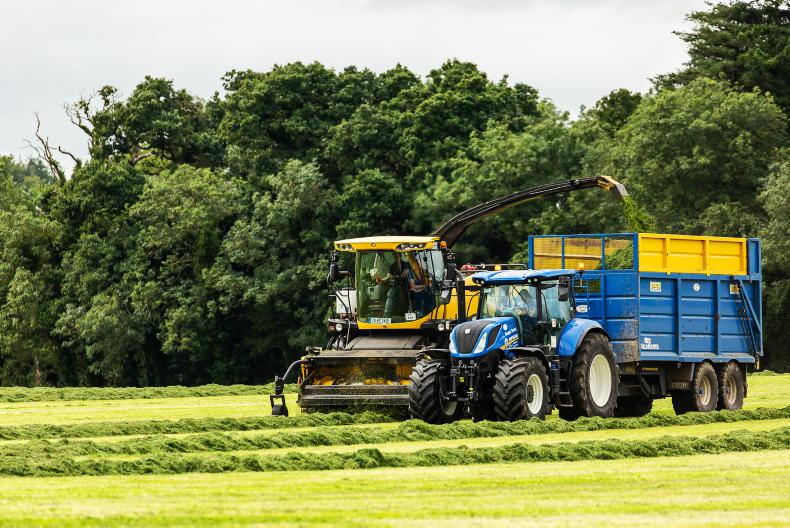
Combine harvesters usually operate for eight to 12 years depending on crop type and load as well as acreage harvested. Large silage harvesters will have high peak use levels and work in more demanding conditions and may require replacement or extensive repairs after five years.
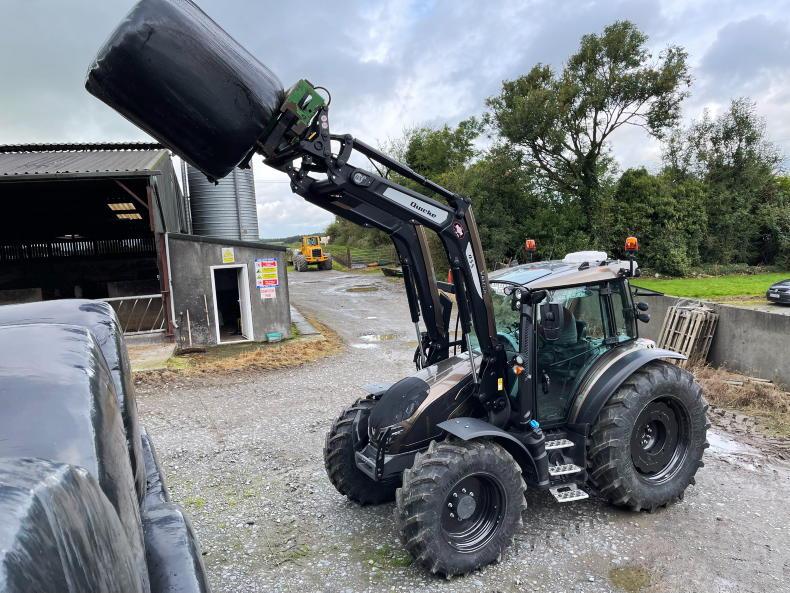
Ploughs, harrows and cultivators should last over 15 years if properly stored and maintained, while sprayers should have a seven to 10 year life as they are more sensitive to corrosion and chemical exposure. Farm loaders, telehandlers and their attachments will typically last eight to 12 years, without significant repairs, depending on their use levels in terms of hours and the work being done.
The obvious signs that machines in your fleet are ageing and may require significant repairs or replacement include frequent breakdowns, declining performance, rising maintenance costs, and replacement parts becoming obsolete or hard to find. Visible rust, cracks, dents, or structural damage on frames and implements also indicate wear.
Tractors may show engine vibrations that slow fieldwork and increase fuel consumption. Combine harvesters, balers and harvesters often suffer from worn chains and belts that reduce harvesting efficiency, sprayers can develop corrosion on booms causing uneven application and loaders may have cracked arms that create safety hazards.
How you make decisions in relation to spending money to repair tractors and machinery for the season ahead or replacing a machine requires reflection.
Let’s start with the tractor, the most expensive asset on many farms or equally expensive in the contractor fleet.
Spend some time with a calculator in hand looking through the repair cost bills/invoices for each tractor on the farm or in the contractor fleet. You will instantly spot the machines that are costing too much or have been unreliable during 2025. If you find that process difficult, take half an hour to walk around the yard and you will know the ones that have let you down, it’s not that complicated.
You will also know the tractors that need work to be done. The next part of the decision is how much work needs to be done and how much will it cost. If your tractor needs some significant repair work, you will need to either source the parts needed yourself or call your local dealer for an estimate.
If you haven’t the time or the inclination to do the repairs yourself, then get your local farm machinery dealer to call and assess the repair costs
With access to the internet, it is now easy to identify the replacement parts costs. So spend some time checking out parts prices, then make a list of what is needed and follow that with a chat with your local farm machinery dealer to get the best value in replacement parts, armed with that information.
If you haven’t the time or the inclination to do the repairs yourself, then get your local farm machinery dealer to call and assess the repair costs. Get a written estimate of how much the repairs will cost and from that decide what level of repair cost you are satisfied to go ahead with. Machinery repair costs can escalate before your eyes, so prepare to be frightened.
For farmers, the tractor repair or replacement decisions are different because in many cases there is another option for the farmer – that is to call in your agricultural contractor. Then the decision process changes because you might have to upskill yourself or your team in terms of new tractor systems or you might have to change more than the tractor, as a tractor change can often dictate a system change involving further machinery investment.
The decision to carry out a significant and expensive repair to a tractor that is 10 years old and with 8,000 hours on the clock, which may require four new tyres, must also be weighed up against a perceived trade-in value and tax-saving opportunities. Machinery parts costs and labour repair costs have increased significantly in the last 10 years, so be prepared.
Where the tractor has been written off on the farm under the eight-year capital allowances system, then the purchase of a new tractor with more reliability, in a year of good farm profitability, may be more sensible than spending money on expensive repairs.
Has the machine been reliable during season 2025? Unreliable machines in the contractor fleet mean an unreliable service and modern farmers will not tolerate that.
Farmers and contractors often struggle deciding whether to repair or replace machinery. Mistakes can lead to unexpected costs, downtime, and safety hazards.
You also need to look at the total cost of ownership of the tractor. Focusing only on the cost of replacement parts often overlooks fuel, labour and efficiency losses.
Over-repairing old equipment can drain budgets and cash flow while still leaving machines unreliable. Equally important is that delaying replacement sometimes causes machine failures during critical fieldwork, resulting in crop losses and lower farm profitability.
There are also technological benefits of new machinery that need to be considered. Newer equipment can bring improved fuel efficiency, as well as opportunities for greater field efficiency through automation, and precision farming. You cannot ignore these advantages and the potential gains that they bring.
Safety and compliance risks also need to be taken into account, as older equipment can increase accident potential and liability. These are important issues for the contractor and the increasing numbers of farms that have paid employees.
Replacement decisions
If you decide that replacement of the tractor or machine is your best choice, then you need to do some upfront planning. At today’s prices, replacing a machine requires a significant investment that will have lasting consequences for your farm or contracting operation.
If you’re replacing a machine, you’ll have to decide whether to opt to buy used or new. You can also lease equipment. Depending on your situation, financial incentives, such as flexible loans or dealer incentives, can make purchasing new equipment the more attractive option than repairing.
Replacing equipment is a complex decision. Consider added efficiencies, long-run costs, capacity needs, tax implications and future financial obligations as you evaluate options. And remember to shop around, preferably local, and ensure that there is a service back-up available.
Finally, complete a purchase order form at the dealership and keep that document in a safe place to prevent misunderstandings into the future.
Advantages of replacing machines
Lower maintenance/repair costs.Less machine downtime, higher productivity efficiency.Newer technology, equipment capabilities and higher capacity.Warranty coverage. More energy/fuel efficient; lower operation costs.Potential tax benefits.Disadvantages of replacing machines
High fixed cost.Less capital to invest in your operation.Potential limitations when making repairs; some repairs may need to be made at a dealership rather than being done independently.Learning curve to acclimate to new equipment and technology.What’s happening to tractor and machinery costs?
Tractor and farm machinery cost inflation has been significant over the past 10 years. So if you are in the market for a new tractor or indeed any farm machine in 2026 be prepared for higher prices than you may have expected.
This is also reflected in the Teagasc National Farm Survey results in Table 1 where we see that machinery overheads have increased by 31.55% or €3,122 per farm, between 2015 and 2024. This has happened while machinery overhead costs as a percentage of total overhead costs have fallen, due in some significant way to the fact that more farmers are using agricultural contractor services in addition to investing in more machinery.
This is clear when we look at tractor purchase prices since 2016 and compare them with the 2026 prices being quoted not just in Ireland but across Europe. For this we have used the German tractor book Schlepperkatalog back issues between 2016 and the latest edition released at the Agritechnica Show in November last.
The table shown here in Table 2, shows that new tractor prices have increased by an average of 45% across the four models shown. There were no John Deere tractor prices published in this latest edition of the catalogue.
As we plan machinery use for 2026, now is a good time to reflect on how tractors and machines on the farm or in the agricultural contractor fleet performed for the year just past.
Is it time to repair some machines or do you need to consider replacing them?
To make the best decisions, which today are expensive ones when it comes to machinery replacement, firstly you need to get some facts together.
We all know that farm machinery doesn’t last forever, and that’s why you need to understand the typical lifespan of machines to help you plan repairs and replacements, so that you can budget farm investments more effectively. Different types of equipment wear differently depending on usage, maintenance, and farm conditions.
Depending on the age and expected life left in your machine, repairing existing equipment may be more cost-effective. Instead of investing money in new equipment, you can use the funds in other ways, such as purchasing more land, farm buildings or investing in higher performing livestock.
If your tractor has more than 12,000 hours of use, its generally accepted that replacement may be more cost-effective than repair
However, if tractor and machine downtime increases and work time is lost at critical sowing or harvesting times, and waiting for parts and service becomes a noticeable trend in your farming or contracting at your operation, then it may be time to consider equipment replacement. For example, if your tractor has more than 12,000 hours of use, its generally accepted that replacement may be more cost-effective than repair.
Advantages of repairing
Lower cost than buying new equipment.Equipment and technology familiarity.Extra capital to invest elsewhere in your farm or contracting business. Disadvantages of repairing
More equipment downtime and lost efficiency.Ageing equipment with higher operating costs.Older technology may have limited capabilities.Added risk
Tractors often last 10 to 15 years on a farm with heavy use but can go longer with proper care. The most frequently used tractor in the agricultural contractor’s fleet will be replaced every six to eight years.
Combine harvesters usually operate for eight to 12 years depending on crop type and load as well as acreage harvested. Large silage harvesters will have high peak use levels and work in more demanding conditions and may require replacement or extensive repairs after five years.
Ploughs, harrows and cultivators should last over 15 years if properly stored and maintained, while sprayers should have a seven to 10 year life as they are more sensitive to corrosion and chemical exposure. Farm loaders, telehandlers and their attachments will typically last eight to 12 years, without significant repairs, depending on their use levels in terms of hours and the work being done.
The obvious signs that machines in your fleet are ageing and may require significant repairs or replacement include frequent breakdowns, declining performance, rising maintenance costs, and replacement parts becoming obsolete or hard to find. Visible rust, cracks, dents, or structural damage on frames and implements also indicate wear.
Tractors may show engine vibrations that slow fieldwork and increase fuel consumption. Combine harvesters, balers and harvesters often suffer from worn chains and belts that reduce harvesting efficiency, sprayers can develop corrosion on booms causing uneven application and loaders may have cracked arms that create safety hazards.
How you make decisions in relation to spending money to repair tractors and machinery for the season ahead or replacing a machine requires reflection.
Let’s start with the tractor, the most expensive asset on many farms or equally expensive in the contractor fleet.
Spend some time with a calculator in hand looking through the repair cost bills/invoices for each tractor on the farm or in the contractor fleet. You will instantly spot the machines that are costing too much or have been unreliable during 2025. If you find that process difficult, take half an hour to walk around the yard and you will know the ones that have let you down, it’s not that complicated.
You will also know the tractors that need work to be done. The next part of the decision is how much work needs to be done and how much will it cost. If your tractor needs some significant repair work, you will need to either source the parts needed yourself or call your local dealer for an estimate.
If you haven’t the time or the inclination to do the repairs yourself, then get your local farm machinery dealer to call and assess the repair costs
With access to the internet, it is now easy to identify the replacement parts costs. So spend some time checking out parts prices, then make a list of what is needed and follow that with a chat with your local farm machinery dealer to get the best value in replacement parts, armed with that information.
If you haven’t the time or the inclination to do the repairs yourself, then get your local farm machinery dealer to call and assess the repair costs. Get a written estimate of how much the repairs will cost and from that decide what level of repair cost you are satisfied to go ahead with. Machinery repair costs can escalate before your eyes, so prepare to be frightened.
For farmers, the tractor repair or replacement decisions are different because in many cases there is another option for the farmer – that is to call in your agricultural contractor. Then the decision process changes because you might have to upskill yourself or your team in terms of new tractor systems or you might have to change more than the tractor, as a tractor change can often dictate a system change involving further machinery investment.
The decision to carry out a significant and expensive repair to a tractor that is 10 years old and with 8,000 hours on the clock, which may require four new tyres, must also be weighed up against a perceived trade-in value and tax-saving opportunities. Machinery parts costs and labour repair costs have increased significantly in the last 10 years, so be prepared.
Where the tractor has been written off on the farm under the eight-year capital allowances system, then the purchase of a new tractor with more reliability, in a year of good farm profitability, may be more sensible than spending money on expensive repairs.
Has the machine been reliable during season 2025? Unreliable machines in the contractor fleet mean an unreliable service and modern farmers will not tolerate that.
Farmers and contractors often struggle deciding whether to repair or replace machinery. Mistakes can lead to unexpected costs, downtime, and safety hazards.
You also need to look at the total cost of ownership of the tractor. Focusing only on the cost of replacement parts often overlooks fuel, labour and efficiency losses.
Over-repairing old equipment can drain budgets and cash flow while still leaving machines unreliable. Equally important is that delaying replacement sometimes causes machine failures during critical fieldwork, resulting in crop losses and lower farm profitability.
There are also technological benefits of new machinery that need to be considered. Newer equipment can bring improved fuel efficiency, as well as opportunities for greater field efficiency through automation, and precision farming. You cannot ignore these advantages and the potential gains that they bring.
Safety and compliance risks also need to be taken into account, as older equipment can increase accident potential and liability. These are important issues for the contractor and the increasing numbers of farms that have paid employees.
Replacement decisions
If you decide that replacement of the tractor or machine is your best choice, then you need to do some upfront planning. At today’s prices, replacing a machine requires a significant investment that will have lasting consequences for your farm or contracting operation.
If you’re replacing a machine, you’ll have to decide whether to opt to buy used or new. You can also lease equipment. Depending on your situation, financial incentives, such as flexible loans or dealer incentives, can make purchasing new equipment the more attractive option than repairing.
Replacing equipment is a complex decision. Consider added efficiencies, long-run costs, capacity needs, tax implications and future financial obligations as you evaluate options. And remember to shop around, preferably local, and ensure that there is a service back-up available.
Finally, complete a purchase order form at the dealership and keep that document in a safe place to prevent misunderstandings into the future.
Advantages of replacing machines
Lower maintenance/repair costs.Less machine downtime, higher productivity efficiency.Newer technology, equipment capabilities and higher capacity.Warranty coverage. More energy/fuel efficient; lower operation costs.Potential tax benefits.Disadvantages of replacing machines
High fixed cost.Less capital to invest in your operation.Potential limitations when making repairs; some repairs may need to be made at a dealership rather than being done independently.Learning curve to acclimate to new equipment and technology.What’s happening to tractor and machinery costs?
Tractor and farm machinery cost inflation has been significant over the past 10 years. So if you are in the market for a new tractor or indeed any farm machine in 2026 be prepared for higher prices than you may have expected.
This is also reflected in the Teagasc National Farm Survey results in Table 1 where we see that machinery overheads have increased by 31.55% or €3,122 per farm, between 2015 and 2024. This has happened while machinery overhead costs as a percentage of total overhead costs have fallen, due in some significant way to the fact that more farmers are using agricultural contractor services in addition to investing in more machinery.
This is clear when we look at tractor purchase prices since 2016 and compare them with the 2026 prices being quoted not just in Ireland but across Europe. For this we have used the German tractor book Schlepperkatalog back issues between 2016 and the latest edition released at the Agritechnica Show in November last.
The table shown here in Table 2, shows that new tractor prices have increased by an average of 45% across the four models shown. There were no John Deere tractor prices published in this latest edition of the catalogue.





SHARING OPTIONS