


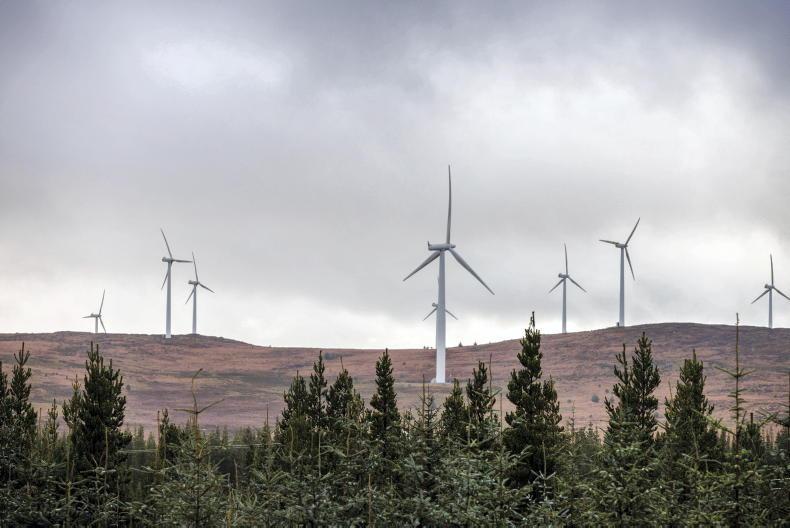
More renewable energy facilities will be needed to meet a target to have 80% of NI electricity consumption coming from renewables by 2030, but achieving this target is also dependent on having sufficient grid infrastructure in place.
Some of the major grid projects in the pipeline were outlined to members of the NI Institute of Agricultural Science (NIIAS) on a visit last Thursday to the control centre run by the system operator in NI (SONI).
SONI operates the electricity transmission system in NI, which is supplied via 110kV and 275kV lines, usually carried on steel pylons or double wooden poles. The company doesn’t sell or generate electricity, with the grid assets built, owned and maintained by NIE Networks Ltd.
However, it is SONI grid engineers based at their control centre who balance daily supply and demand on the network. The company also has a role in planning ahead for future grid infrastructure needs.
Investment
The current grid infrastructure was built in the 1970s, so requires investment. “The system is ageing and needs upgrading. There are a lot of challenges to manage,” said Nichola Mallon, the former Stormont Minister, who was appointed Head of Corporate Affairs at SONI in August 2025.
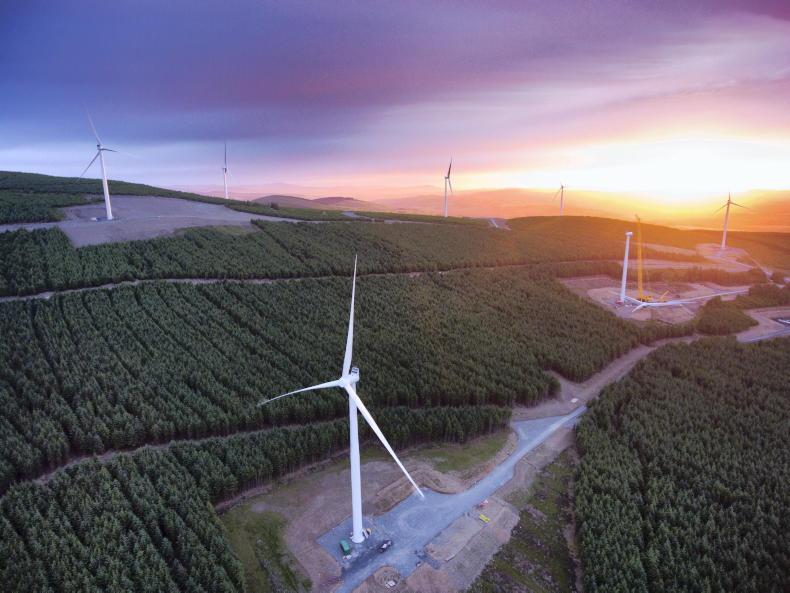
One of those main challenges is that most of the investment made in renewables over the last 15 years is in the north west, and it needs to flow via the grid to the east where demand is currently greater. Best estimates are that 70% of renewable electricity is in the north west, yet 70% of demand is in the east and south east of NI.
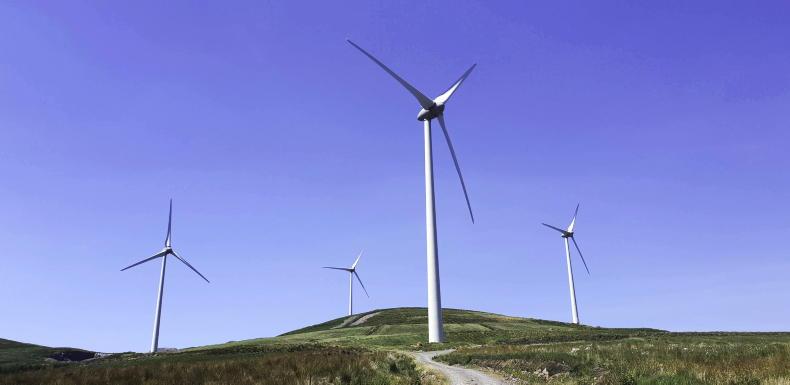
The latest figures from the Department for the Economy show that 44% of gross final electricity consumption in 2025 came from renewable sources, with 72% of this from wind, followed by biomass and biogas at 20% and solar at 6%.
However, much of the smaller scale renewables are either for own use or go into a local electricity network, so do not appear on the SONI figures for the transmission grid. The SONI data shows that just over 42% of electricity in 2025 was from renewables, of which over 80% came from wind.
Wasted
The SONI data also highlights the issue of ‘dispatch down’ when the likes of wind farms have to be constrained below their maximum available level to ensure the safe and secure operation of the grid. In 2025, this dispatch down figure stood at 22%, which is reduced from the 29.6% in 2024, but still well ahead of totals from previous years. In simple terms, this renewable energy is being wasted, mainly due to requirements to maintain a stable power system and lack of capacity on the grid.
A major solution for that is a second north-south interconnector, which will potentially allow this surplus electricity to be exported to the Republic of Ireland. Demand for electricity south of the border continues to surge on the back of the explosion in the data centres industry owned by multi-national technology companies.
According to SONI representatives, at times the existing north south interconnector between Tandragee and Louth is “maxed out” with the flow mostly going from north to south. On some occasions, this situation is reversed, depending on the availability and cost of generation across the island.
There is also an east west dimension, with electricity coming into NI from Scotland via two sea cables, known as the Moyle Interconnector. With cheaper electricity available in Britain, most of the flow is from Scotland to NI.
Gas plants
The other main source of electricity is from three power stations in NI (Kilroot, Ballylumford and Coolkerragh), which all now use gas. They link into the 275kV network so are crucial in supplying baseload power at all times.
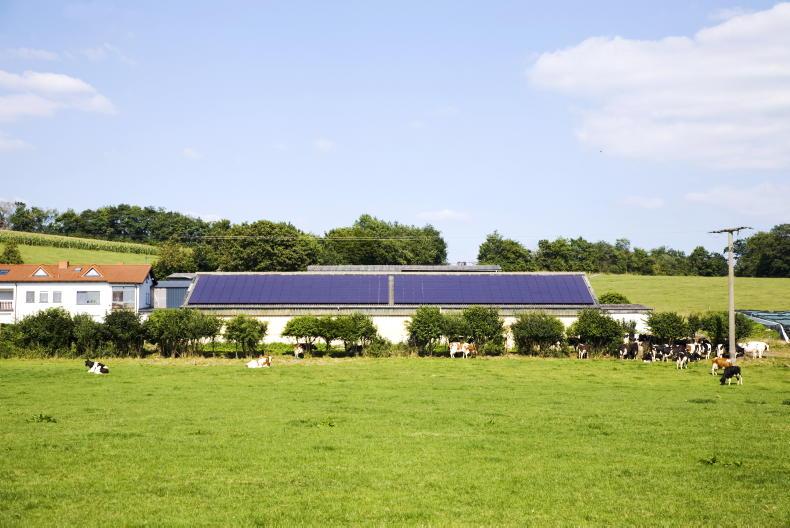
With more houses installing solar PV systems and the growth in small-scale renewables, actual local demand for electricity from the grid has been edging down in recent years.
However, that situation is expected to change in the coming years given the exacting targets to be met if NI is to achieve net zero greenhouse gas emissions by 2050.
To help meet those targets, the direction of travel is towards electric vehicles, with government planning to ban the sale of all new petrol and diesel cars and vans by 2035.
There is also likely to be a scheme in 2027 to encourage domestic households to replace heating systems with heat pumps that rely on electricity rather than gas or oil.
“With the switch to electric cars and heat pumps, demand will ramp up and we need to ensure we have a good network for that,” said Nichola Mallon from SONI.
In 2025 SONI published its latest draft development plan for the electricity transmission system, covering the period out to 2034.
The total cost of all the projects outlined in the document comes to over £1.3bn, to include 45 projects to further develop the network grid such as new substations and also new 110kV and 275kV lines, particularly in the north and west.
North South
However, the largest project remains the new North South Interconnector. It involves the installation of a 400kV overhead line across approximately 138km, starting at a substation in Turleenan, Co Tyrone and running through Armagh, Monaghan, Cavan and into Meath.
SONI maintain it will improve electricity supply and put downward pressure on consumer bills.
The interconnector has full planning permission and work has started to install pylons on the NI side, with an estimated completion date of 2031.
But the project continues to be fiercely opposed by community groups and landowners along the route. In late 2025, SONI was removed as a corporate member of the Ulster Farmers’ Union (UFU) after a backlash from UFU members in Co Armagh who are unhappy with how SONI has engaged with landowners along the route.
Three-part process
As well as designing grid infrastructure projects and getting planning approval, it is also the role of SONI to work with landowners and get the necessary agreements in place, before handing the project over to NIE Networks for construction and maintenance.
Where a voluntary agreement around compensation cannot be agreed with a landowner, SONI can apply for a “necessary wayleave” to the Department for the Economy. “We much prefer landowner buy-in and engagement,” said William Sufferin from SONI.
About SONI
The electricity Transmission System Operators on the island operate a single electricity market. The market went live in 2007 and is operated by EirGrid in the Republic of Ireland and SONI in NI. SONI Ltd was acquired by EirGrid plc in 2009, but in line with its licence conditions set by the Utility Regulator in NI, operates independently with its own independent board of directors and executive team.



SHARING OPTIONS