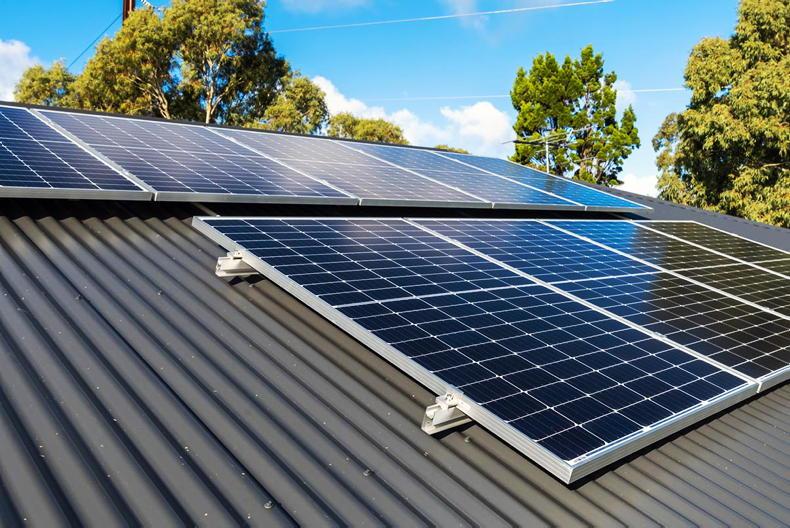
Excluding farmhouse electricity use from the TAMS solar capital investment scheme has effectively rendered solar PV installations unviable for many drystock and tillage farms.
The rule change comes as farmers face rising electricity prices amid the conflict in the Middle East.
Because energy use on drystock and tillage farms is typically low, many solar grant applications included farmhouse electricity demand along with farmyard demand to make projects financially viable. This was allowed where the house and farmyard were on the same electrical meter.
Due to the high number of applications and limited funding, ranking and selection was introduced for later tranches to keep the scheme within budget.
This measure, introduced by former Minister for Agriculture Charlie McConalogue, was seen as a major driver of solar PV adoption, as farmhouses were effectively included in the 60% TAMS grant support.
Now that farmhouses are excluded, many farmers and suppliers say solar investments no longer stack up financially.
Why are they removed?
The Department of Agriculture says the changes were necessary due to the huge demand for TAMS grants.
A total of 59,302 applications were received across the first ten tranches of TAMS 3, compared to 19,347 applications over the same period under TAMS 2.
Payments worth over €140 million have already issued to more than 16,000 participants.
Due to the high number of applications and limited funding, ranking and selection was introduced for later tranches to keep the scheme within budget.
In tranche 10, a 90% reduction was applied to TAMS solar PV scheme expenditure.
To date, almost €28 million has been spent on solar investments under TAMS, with nearly 3,300 farmers approved and 1,459 having completed installations.
The Department said removing domestic dwellings from tranche 11 onwards will allow the scheme to focus on on-farm electricity demand and enable more applications to be approved. Farmers can instead apply to the Sustainable Energy Authority of Ireland (SEAI) for domestic solar support, it said.
Eliminated
However, the Micro-Renewable Energy Federation (MREF) said the move effectively rules out most drystock and tillage farms from solar grants.
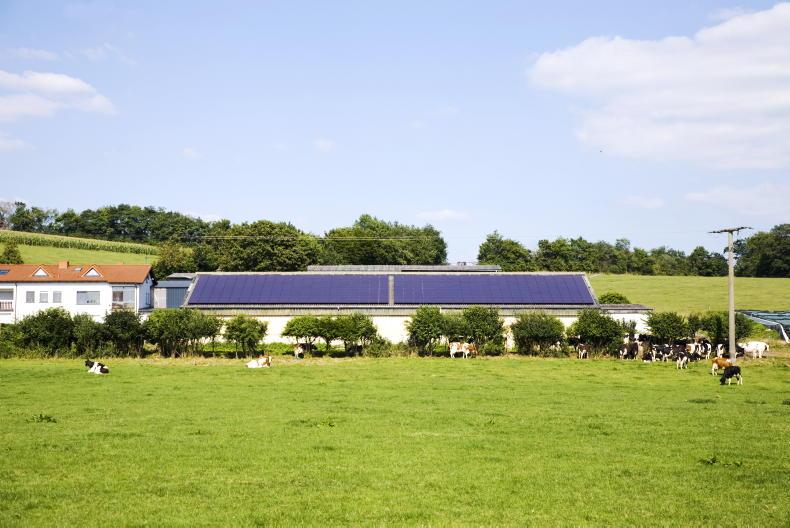
Chairperson Ciaran Kells said the farmhouse can account for up to 70% of electricity use on many drystock and tillage farms, meaning applications are no longer viable.
He called on the Government to either properly fund the solar PV TAMS scheme for all applications or remove it entirely until it can be properly funded.
Excluding farmhouse electricity use from the TAMS solar capital investment scheme has effectively rendered solar PV installations unviable for many drystock and tillage farms.
The rule change comes as farmers face rising electricity prices amid the conflict in the Middle East.
Because energy use on drystock and tillage farms is typically low, many solar grant applications included farmhouse electricity demand along with farmyard demand to make projects financially viable. This was allowed where the house and farmyard were on the same electrical meter.
Due to the high number of applications and limited funding, ranking and selection was introduced for later tranches to keep the scheme within budget.
This measure, introduced by former Minister for Agriculture Charlie McConalogue, was seen as a major driver of solar PV adoption, as farmhouses were effectively included in the 60% TAMS grant support.
Now that farmhouses are excluded, many farmers and suppliers say solar investments no longer stack up financially.
Why are they removed?
The Department of Agriculture says the changes were necessary due to the huge demand for TAMS grants.
A total of 59,302 applications were received across the first ten tranches of TAMS 3, compared to 19,347 applications over the same period under TAMS 2.
Payments worth over €140 million have already issued to more than 16,000 participants.
Due to the high number of applications and limited funding, ranking and selection was introduced for later tranches to keep the scheme within budget.
In tranche 10, a 90% reduction was applied to TAMS solar PV scheme expenditure.
To date, almost €28 million has been spent on solar investments under TAMS, with nearly 3,300 farmers approved and 1,459 having completed installations.
The Department said removing domestic dwellings from tranche 11 onwards will allow the scheme to focus on on-farm electricity demand and enable more applications to be approved. Farmers can instead apply to the Sustainable Energy Authority of Ireland (SEAI) for domestic solar support, it said.
Eliminated
However, the Micro-Renewable Energy Federation (MREF) said the move effectively rules out most drystock and tillage farms from solar grants.
Chairperson Ciaran Kells said the farmhouse can account for up to 70% of electricity use on many drystock and tillage farms, meaning applications are no longer viable.
He called on the Government to either properly fund the solar PV TAMS scheme for all applications or remove it entirely until it can be properly funded.





SHARING OPTIONS