


The latest accounts for Rural Support to 31 March 2025 give an insight into the current cash flow issues now facing the charity.
In the 12 months to March 2025 it recorded a net income figure of just £8,351. However, that net income was actually up on the previous 12 months, when there was a loss of £33,509.
Of note in the latest accounts is the big increase in both income and costs in the last financial year. Total income increased 33% to £1.204m, while costs were up 28% to £1.196m.
A significant chunk of the income (around £600,000) comes from DAERA, to include core funding of £304,298 as well as £78,751 for the social farming initiative and £212,838 for the Farming for the Generations pilot scheme.
There is also £73,626 from the Public Health Agency, £108,641 from the National Lottery for the Plough-on project, £75,000 from NFU Mutual and £102,923 for the bereavement service, Life Beyond.
The main expenditure is broken down into costs to deliver direct activities of £855,995, as well as support costs of £340,358. While staff costs, equating to the equivalent of 18 full-time people, were up marginally at £617,889, support costs jumped nearly 60% in the last financial year.
That includes a 63% increase in the cost of premises, an 81% increase in the cost of communications and IT and a 316% increase in what are termed ‘governance costs’.
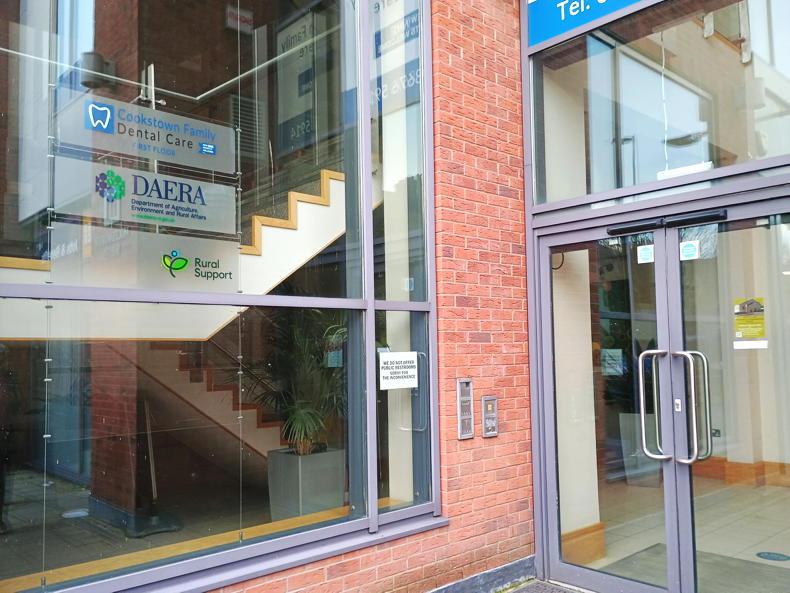
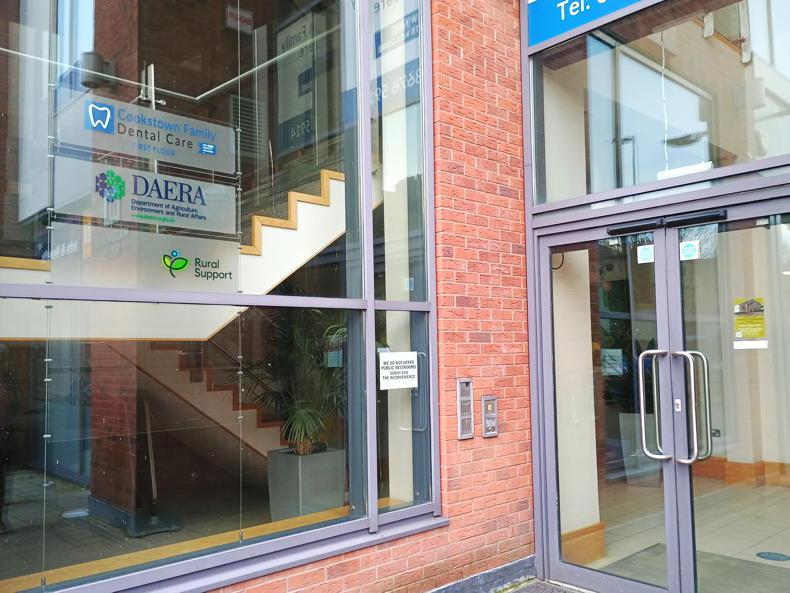
It is understood that the increase in support costs is mainly due to the decision to move out of CAFRE’s Loughry campus in late 2023 and into new premises on Molesworth Street, Cookstown. The charity had to vacate Loughry due to an ongoing programme to redevelop facilities at the campus.
Restricted
However, like all charities, the Rural Support accounts have to distinguish between unrestricted and restricted funds and it is here where current issues principally lie.
Restricted funds given to a charity have to be spent in accordance with the requests of the donor. Out of the total of £1.144m from charitable activities in the last financial year, £961,601 (84%) was classed as restricted funds, so there are limitations in how this money is used.
To operate effectively, charities need reserves and unrestricted funds (such as general donations) so they are able to bridge gaps between spending and receiving income, and to be able to allocate resources where they are needed most.
As noted in UK government guidance: “a good reserves policy gives confidence that the charity’s finances are being properly managed.”
In the case of Rural Support, its unrestricted funds at the start of the last financial year stood at £230,490, but by the year-end these funds were whittled down to just £93,673.
In their report to accompany the latest accounts, the Rural Support trustees noted that unrestricted reserves are “below the target of three months’ operational costs”.
“The Trustees are aware of this position and have developed a recovery plan to rebuild reserves over the coming period. This plan includes close monitoring of cash flows, careful management of expenditure and proactive steps to increase income streams,” the report reads.
Fundraising events in March
Anyone interested in raising money for Rural Support as part of the ‘Spring Forward to Give Back’ initiative can contact the organisation on 028 8676 0040 or email info@ruralsupport.org.uk.



SHARING OPTIONS