


The first of a number of reports from an on-farm study to reduce nutrients in NI agriculture has highlighted the significant potential to reduce problem ammonia emissions by the processing of cattle slurry.
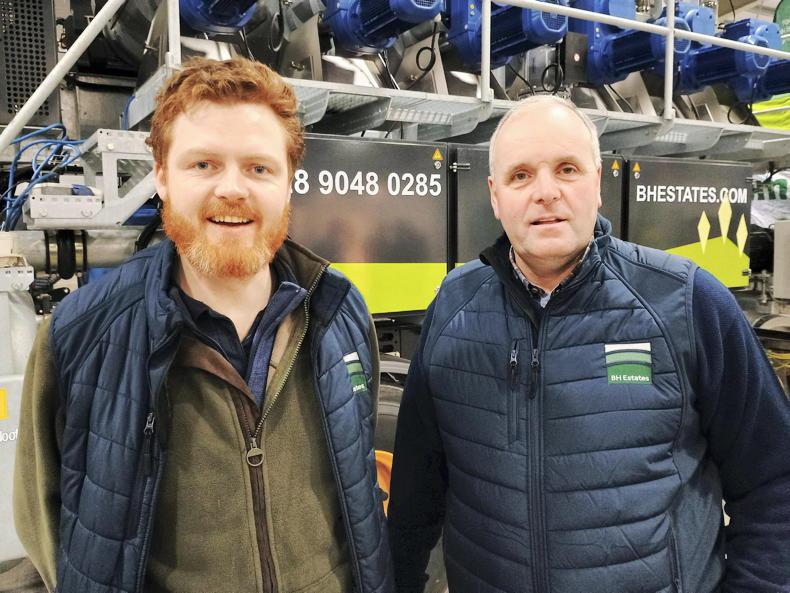
Prepared by BH Estates in collaboration with the UK Centre for Ecology and Hydrology, the study is based on a Farm2Export project led by BH Estates which has received funding as part of DAERA’s Sustainable Utilisation of Livestock Slurry (SULS) programme.
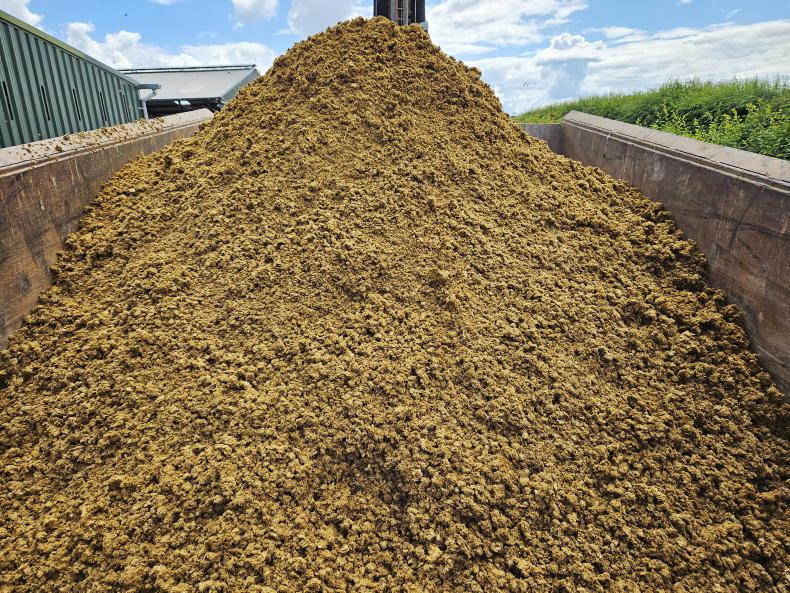
The project involves the separation of slurry on farm, with the resultant solids used as a feedstock in anaerobic digestion (AD). The solid digestate is then dried down and used to produce a bio-based fertiliser.
BH Estates currently has its own mobile slurry separator and operates an AD plant. A drying facility for use in the project is currently under planning consultation.
Assumptions
The study assumes there would be around 1,430 dairy farms, each with 100 cows, supplying slurry solids to 21 AD plants. There are then seven facilities drying the digestate from AD, which ultimately produce 15,000t of feedstock annually for a single bio-based fertiliser plant.
Modelling work shows that if operational, this supply chain has the potential to achieve an 11% reduction in ammonia emissions, which would make an important contribution towards NI achieving a national 2030 target to cut emissions by 16% when compared to 2005.
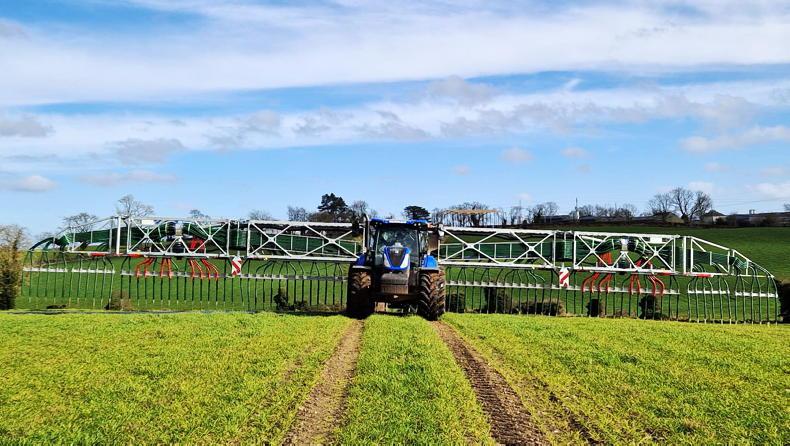
The report authors point out that their assumptions are conservative, with slurry separation effectively allowing low emission slurry spreading equipment (LESSE) to be used on 25% more farms. If additional farms in the supply chain switched to LESSE the ammonia cut would be greater.
Emissions would also be further reduced if a trailing shoe is used, rather than a dribble bar, and if the final dried product is used to displace nitrogen fertiliser use in NI.
Recommendations
Among the recommendations in the report is a need to review planning frameworks in NI, which currently limit the ability of farmers close to designated sites to put in place the likes of slurry separation equipment.
“The fragmentation between environmental objectives and planning permissions can create a ‘delivery vacuum’ that leaves farmers under pressure to comply with regulations, but without sufficient practical pathways to do so,” states the report.



SHARING OPTIONS