


Farmers across in NI are becoming increasingly cynical about any policies from DAERA which relate to meeting greenhouse gas emission targets.
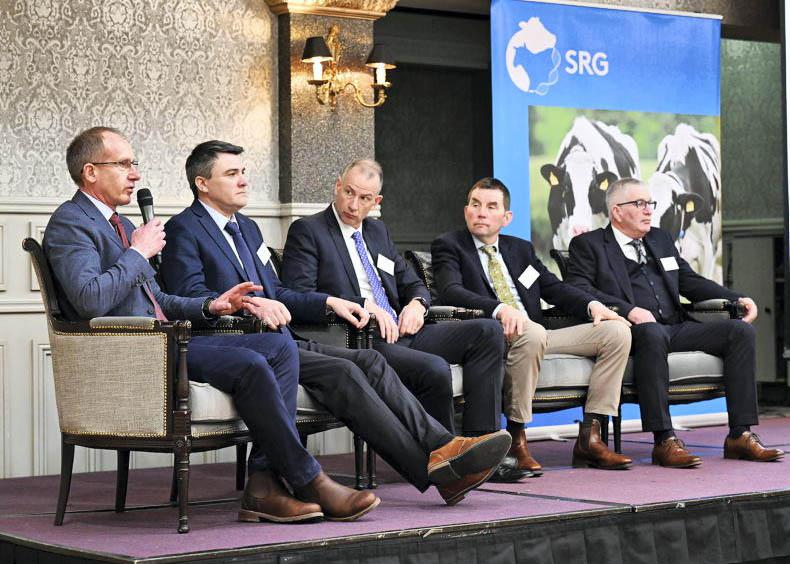
At a local UFU meeting in Omagh last week, applause was solely reserved for those who effectively called for farmers to boycott all net zero requirements.
A key problem surrounds how carbon emissions from farming are calculated. This includes the flawed system which is used for comparing the global warming effect of methane from ruminants to the likes of carbon dioxide from fossil fuels.
Other well recited arguments include how emissions offsets from land are categorised, how emissions from the supply chain are counted, and how agricultural emissions are based on where food is produced and not where it is consumed.
All these factors seem to disadvantage farmers and work to the benefit of the fossil fuel industry. As a result, farmers are asking why should they comply with a system that seems to be rigged against them?
Irrelevant
On a wider scale, carbon emissions globally are still increasing, so any efforts by NI farmers to cut emissions seem irrelevant and adds to the growing apathy.
The apparent willingness of politicians to bend climate change targets to accommodate other sectors of the economy is another major source of frustration.
Farmers are told to cut emissions from livestock, but there’s no problem with building new runways at Heathrow and Gatwick.
More locally, Stormont ministers are trying to convince the courts that 85km of new dual carriageway for the A5 is compliant with their net zero legislation.
Distrust
However, a major factor behind the calls for non-compliance with net zero is the growing level of distrust with DAERA.
The disastrous rollout of the Nutrients Action Programme consultation in May 2025 has led to a sense among NI farmers that DAERA want to stop them from farming. DAERA will argue that is not the case, but there is no denying that the impact of the NAP debacle on relations between the department and local farmers has been colossal.
Back in 2022, when emissions targets were being set at Stormont, MLAs ignored both the concerns of farmers and expert advice from the UK government’s Climate Change Committee.
Now, three years later, more and more farmers want to return the favour by ignoring all policies that stem from those targets.



SHARING OPTIONS