As Ireland’s farming sector continues to face pressure to reduce emissions while staying economically viable, a new concept is emerging that could reshape how farmers engage with the renewable energy industry.
In a recent conversation, Associate Sustainability Consultant Chris McCallum of Tetra Tech outlined how a carbon cooperative model could provide a new revenue stream for farmers while feeding Ireland’s growing appetite for biomethane.
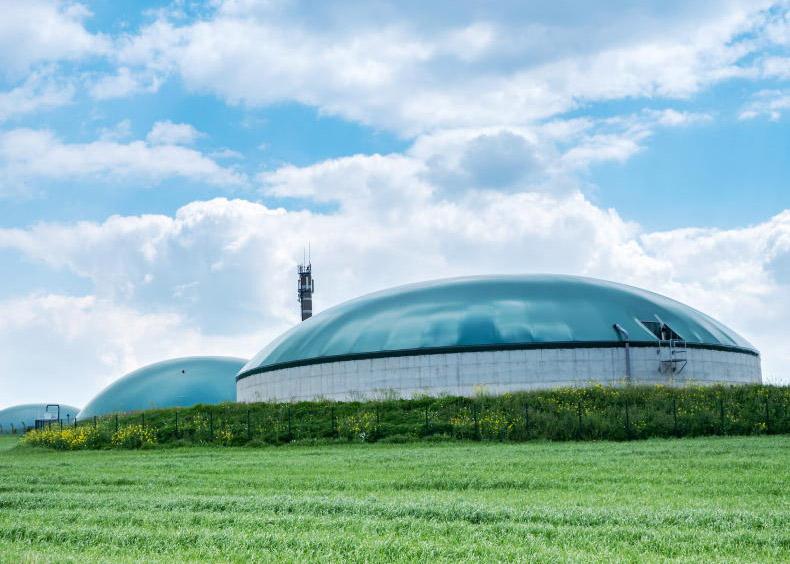
McCallum has been working on a project examining how farmers might structure a new group and collaborate to supply large-scale anaerobic digestion (AD) facilities.
As major energy users race toward 2030 carbon-reduction targets, the search for alternatives to natural gas is intensifying and will soon be driven by a new obligation policy. As more new projects are developed, their demand for feedstock will also grow.

Chris McCallum, Associate Sustainability Consultant at Tetra Tech.
What is a carbon cooperative?
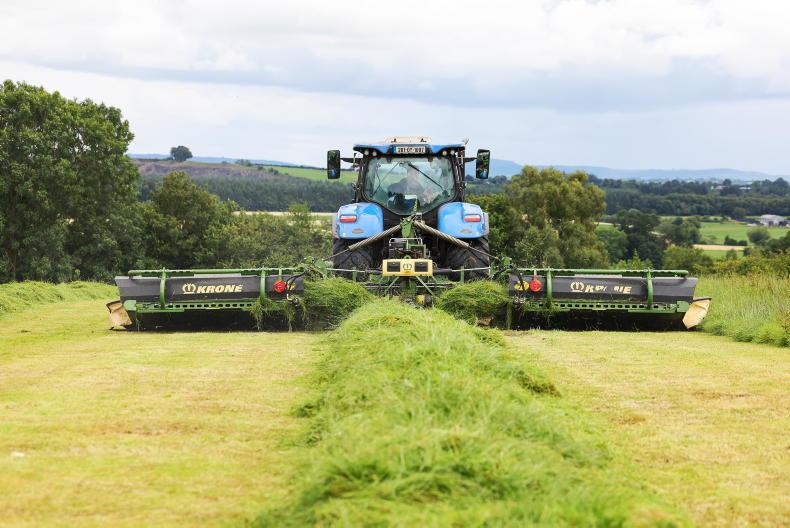
At its heart, the concept mirrors long-standing agricultural cooperatives already familiar to Irish farmers. Just as dairy or horticulture cooperatives pool produce to strengthen negotiating power, a carbon cooperative would bring farmers together to supply feedstock—typically slurry, silage or other organic by-products—to an AD plant.
McCallum explains that, rather than individual farmers negotiating small, inconsistent deliveries, the cooperative aggregates supply, offering developers a dependable stream of material. In return, farmers gain stronger bargaining power, improved logistics and, crucially, a new revenue stream for materials already produced on the farm, he explained.
McCallum said that farm by-products should never be treated as “waste”. Farmers already use them efficiently, through land spreading or feeding livestock, but a cooperative model opens up a chance to compare which option delivers the best economic.
Economics at the core
The financial viability of supplying an AD plant depends heavily on feedstock pricing. McCallum and his team modelled scenarios based on the payment farmers receive per tonne of material delivered. For slurry, that figure could be around €10 per tonne depending on gas yield, while silage, with its higher energy content, commands a premium.
The challenge is determining the tipping point at which selling feedstock makes more financial sense than using it on the farm. Every holding is different; some may have a surplus of slurry, others may rely heavily on silage for winter feeding. But the cooperative structure allows members to assess these tradeoffs collectively and negotiate accordingly, he said.
Farmers, McCallum stresses, are in a stronger position than many realise. Large AD developers require significant, consistent volumes of feedstock, far beyond what a single farm can deliver. When farmers coordinate, they become indispensable partners rather than peripheral suppliers.
Developer-led to farmer-led projects
Most AD projects in Ireland have been developer-led, with companies offering supply contracts to individual farmers, often managed by a feedstock coordinator. But McCallum believes the future may look different. Instead of waiting for developers to dictate terms, cooperatives could take the lead by securing a guaranteed volume, say 100,000 tonnes of material, and approach developers with supply contracts from a position of strength. In some cases, cooperatives may even consider developing their own AD plants.
However, the capital requirements run into the tens of millions, and ongoing operational costs and complexities present many barriers. For now, McCallum sees greatest potential in a hybrid model where farmers organise the feedstock supply chain while private or corporate developers finance, build and operate the infrastructure.
Public perception
Public perception is another obstacle, both in the Republic of Ireland and Northern Ireland, where planning resistance has slowed AD expansion. Concerns about odour, traffic and environmental impacts persist.
McCallum believes the cooperative model could help ease some of these tensions. If farmers are seen as the drivers, and direct beneficiaries, of renewable gas production, rather than external developers, communities may view projects more favourably, he explained.
Producer organisations
McCallum previously managed a mushroom producer organisation and says many lessons from that world carry over. Producer organisations (POs) enable growers to pool resources, invest collectively, and access significant EU and government funding.
Some POs can receive up to 80% grant aid for renewable projects and 50% support for staffing, funding streams that could help carbon cooperatives get off the ground. They also facilitate knowledge sharing and strengthen farmers’ collective bargaining position with large buyers, he said. The same principles could underpin carbon cooperatives supplying AD plants or other renewable energy systems.
Beyond anaerobic digestion
While the current focus is on biomethane, McCallum said the cooperative model could extend to other renewable technologies. Biomass, gasification, microgrid development and backup power generation were all discussed during the interview as potential longer-term opportunities.
Crops such as willow or miscanthus, previously supported with very mixed results, may find renewed relevance in larger, well-organised supply chains.
Ireland has limited forestry resources but an abundance of agricultural biomass.
With climate pressures intensifying and fossil fuel dependence proving costly and insecure, the idea of “mining the carbon” already present on farms becomes increasingly attractive, he explained.
For McCallum, the question is not whether farmers can participate in the renewable gas revolution, but how they organise to capture the value it offers.
A cooperative model, he argues, keeps money circulating within rural communities, strengthens energy independence and helps Ireland meet its climate targets, all while offering farmers a long-overdue secondary income stream.
As he puts it, the island is “on the cusp” of adopting this approach. The only question now is who will lead the way?
You can watch the full interview with Chris McCallum via this link.
The author Stephen Robb is currently involved in a family/community proposal for an anaerobic digestion facility in Co Donegal.
As Ireland’s farming sector continues to face pressure to reduce emissions while staying economically viable, a new concept is emerging that could reshape how farmers engage with the renewable energy industry.
In a recent conversation, Associate Sustainability Consultant Chris McCallum of Tetra Tech outlined how a carbon cooperative model could provide a new revenue stream for farmers while feeding Ireland’s growing appetite for biomethane.
McCallum has been working on a project examining how farmers might structure a new group and collaborate to supply large-scale anaerobic digestion (AD) facilities.
As major energy users race toward 2030 carbon-reduction targets, the search for alternatives to natural gas is intensifying and will soon be driven by a new obligation policy. As more new projects are developed, their demand for feedstock will also grow.
Chris McCallum, Associate Sustainability Consultant at Tetra Tech.
What is a carbon cooperative?
At its heart, the concept mirrors long-standing agricultural cooperatives already familiar to Irish farmers. Just as dairy or horticulture cooperatives pool produce to strengthen negotiating power, a carbon cooperative would bring farmers together to supply feedstock—typically slurry, silage or other organic by-products—to an AD plant.
McCallum explains that, rather than individual farmers negotiating small, inconsistent deliveries, the cooperative aggregates supply, offering developers a dependable stream of material. In return, farmers gain stronger bargaining power, improved logistics and, crucially, a new revenue stream for materials already produced on the farm, he explained.
McCallum said that farm by-products should never be treated as “waste”. Farmers already use them efficiently, through land spreading or feeding livestock, but a cooperative model opens up a chance to compare which option delivers the best economic.
Economics at the core
The financial viability of supplying an AD plant depends heavily on feedstock pricing. McCallum and his team modelled scenarios based on the payment farmers receive per tonne of material delivered. For slurry, that figure could be around €10 per tonne depending on gas yield, while silage, with its higher energy content, commands a premium.
The challenge is determining the tipping point at which selling feedstock makes more financial sense than using it on the farm. Every holding is different; some may have a surplus of slurry, others may rely heavily on silage for winter feeding. But the cooperative structure allows members to assess these tradeoffs collectively and negotiate accordingly, he said.
Farmers, McCallum stresses, are in a stronger position than many realise. Large AD developers require significant, consistent volumes of feedstock, far beyond what a single farm can deliver. When farmers coordinate, they become indispensable partners rather than peripheral suppliers.
Developer-led to farmer-led projects
Most AD projects in Ireland have been developer-led, with companies offering supply contracts to individual farmers, often managed by a feedstock coordinator. But McCallum believes the future may look different. Instead of waiting for developers to dictate terms, cooperatives could take the lead by securing a guaranteed volume, say 100,000 tonnes of material, and approach developers with supply contracts from a position of strength. In some cases, cooperatives may even consider developing their own AD plants.
However, the capital requirements run into the tens of millions, and ongoing operational costs and complexities present many barriers. For now, McCallum sees greatest potential in a hybrid model where farmers organise the feedstock supply chain while private or corporate developers finance, build and operate the infrastructure.
Public perception
Public perception is another obstacle, both in the Republic of Ireland and Northern Ireland, where planning resistance has slowed AD expansion. Concerns about odour, traffic and environmental impacts persist.
McCallum believes the cooperative model could help ease some of these tensions. If farmers are seen as the drivers, and direct beneficiaries, of renewable gas production, rather than external developers, communities may view projects more favourably, he explained.
Producer organisations
McCallum previously managed a mushroom producer organisation and says many lessons from that world carry over. Producer organisations (POs) enable growers to pool resources, invest collectively, and access significant EU and government funding.
Some POs can receive up to 80% grant aid for renewable projects and 50% support for staffing, funding streams that could help carbon cooperatives get off the ground. They also facilitate knowledge sharing and strengthen farmers’ collective bargaining position with large buyers, he said. The same principles could underpin carbon cooperatives supplying AD plants or other renewable energy systems.
Beyond anaerobic digestion
While the current focus is on biomethane, McCallum said the cooperative model could extend to other renewable technologies. Biomass, gasification, microgrid development and backup power generation were all discussed during the interview as potential longer-term opportunities.
Crops such as willow or miscanthus, previously supported with very mixed results, may find renewed relevance in larger, well-organised supply chains.
Ireland has limited forestry resources but an abundance of agricultural biomass.
With climate pressures intensifying and fossil fuel dependence proving costly and insecure, the idea of “mining the carbon” already present on farms becomes increasingly attractive, he explained.
For McCallum, the question is not whether farmers can participate in the renewable gas revolution, but how they organise to capture the value it offers.
A cooperative model, he argues, keeps money circulating within rural communities, strengthens energy independence and helps Ireland meet its climate targets, all while offering farmers a long-overdue secondary income stream.
As he puts it, the island is “on the cusp” of adopting this approach. The only question now is who will lead the way?
You can watch the full interview with Chris McCallum via this link.
The author Stephen Robb is currently involved in a family/community proposal for an anaerobic digestion facility in Co Donegal.








SHARING OPTIONS