The European Union has adopted new rules allowing livestock slurry and manure to be processed into fertiliser products known as Recovered Nitrogen from Manure, or RENURE.
The change, made through an amendment to the Nitrates Directive, allows member states to authorise the use of certain processed manure products above the long-standing limit of 170kg organic nitrogen per hectare.
For Irish farmers, particularly those operating close to nitrates limits or in derogation, RENURE could potentially change how nutrients are managed on farms.
However, it doesn’t necessarily allow more cows to be kept or remove existing organic nitrogen limits, and will only apply if Ireland chooses to implement the rules in national law.
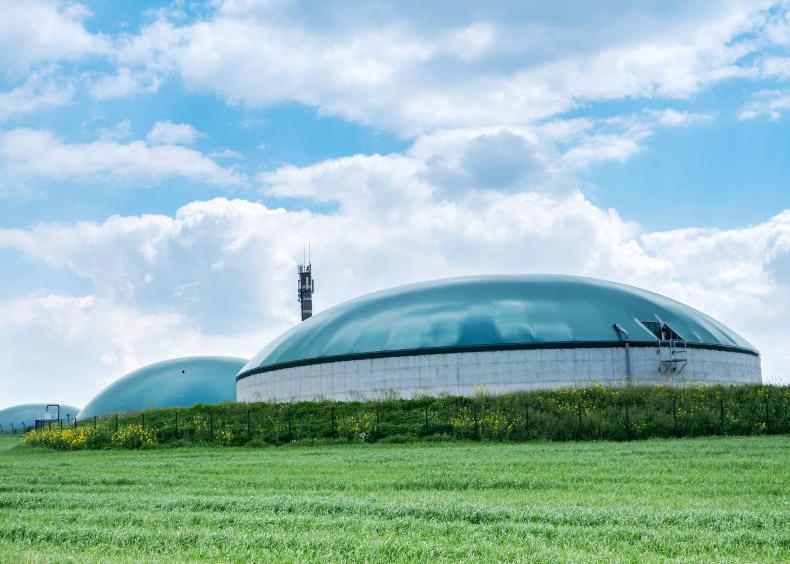
RENURE does not refer to raw slurry or standard digestate from an anaerobic digestion (AD) plant.
It applies only to manure or digestate that has undergone additional processing to recover nitrogen in a form similar to chemical fertiliser.
Technologies such as ammonia stripping, membrane filtration, chemical precipitation or reverse osmosis are used to convert nitrogen into stable, plant-available products such as ammonium salts or mineral concentrates.
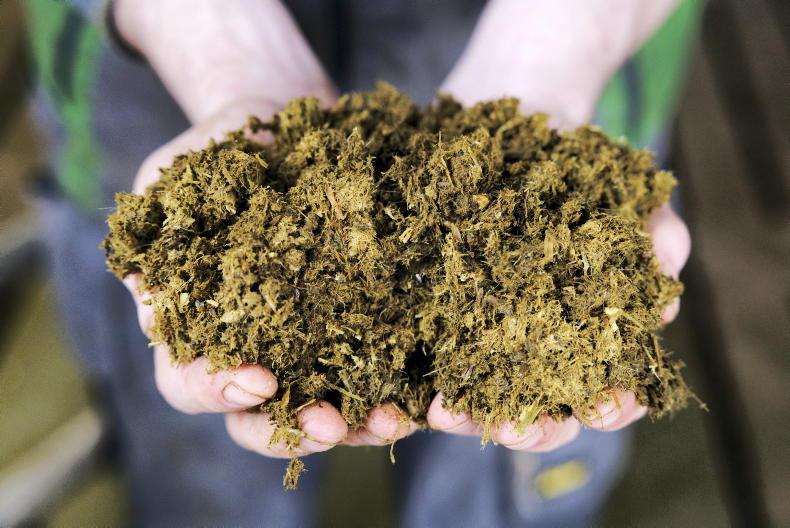
RENURE is about about making better use of the nitrogen already on farms.
Once these products meet the technical criteria set out by the EU, they are treated as chemical fertiliser rather than organic manure under nitrates rules.
Teagasc Energy Specialist Barry Caslin explains this distinction is central to understanding RENURE.
“This is about classification, not increasing nitrogen,” he says.
“RENURE doesn’t change the organic nitrogen limit. It allows farmers to recycle nitrogen they already produce.”
Irish farmers are facing increasing pressure from nitrates rules.
The standard organic nitrogen limit remains at 170kg/ha, while the derogation allowing higher limits is becoming more restricted and uncertain.
At the same time, revised nitrogen excretion rates per cow, now set at 80kg, 92kg or 106kg per cow per year depending on milk yield, mean many farms risked going over the limit and entering derogation on paper without increasing cow numbers.
According to Caslin, this has brought nutrient management into sharper focus. “In many cases, the farming system hasn’t changed, but the numbers have,” he said.
When a farm exceeds the 170kg organic nitrogen limit, it must either enter derogation, reduce stock numbers, lease additional land or export slurry. When a farm exceeds the derogation limit of 220 kg/ha, only the latter options remain.
Exporting slurry removes nutrients from the farm, and under current rules, those nutrients cannot be brought back if the farm is already at its nitrogen limit or in derogation.
If slurry is exported to an anaerobic digestion plant, the farmer cannot import the digestate if they are over the organic nitrogen cap. This means nutrients are lost from the system and must be replaced with purchased fertiliser.
“You end up exporting nutrients and then buying fertiliser to replace them,” Caslin said. “From a circular economy point of view, that’s inefficient.”
What RENURE would change?
If Ireland adopts the RENURE rules, slurry exported to an AD plant could be processed into a RENURE-compliant fertiliser and returned to the originating farm.
Because RENURE is treated as chemical fertiliser, it would not count towards the 170kg organic nitrogen limit. Under the EU framework, up to 80kg of nitrogen per hectare could be applied as RENURE fertiliser in addition to the organic nitrogen cap, while the 170kg organic nitrogen limit stays exactly where it is.
Take a 120-cow dairy farm operating in Band 2, with an excretion rate of 92kg organic nitrogen per cow per year, on a land base of 52 hectares.
The farm produces 11,040kg of organic nitrogen annually. Spread across 52 hectares, this works out at 212kg of organic nitrogen per hectare, which is above the 170kg limit.
Under current rules, the farm is allowed to apply 8,840kg of organic nitrogen each year. This means 2,200kg of nitrogen must be exported off the farm in slurry.

On a 120-cow farm, this increased availability can add up over the year.
If that slurry is exported under existing rules, the nutrients are lost to the farm and must be replaced with chemical fertiliser. With RENURE in place, the same farm could import up to 4,160kg of nitrogen as RENURE fertiliser. This would allow the full 2,200kg of exported nitrogen to be returned as processed digestate, with the remaining allowance replacing purchased fertiliser.
While this works in theory, in reality under typical Irish conditions (16-20 weeks housing), only about 1,843kg N is collected as slurry, so you would need to export more than 100% of the winter slurry to comply, which is unlikely to be feasible given our grass-based system. So in practicality, it would only partially contribute towards solving the problem.
Research shows that nitrogen in digestate is typically about 20% more plant-available than nitrogen in raw slurry. On a 120-cow farm, this increased availability can add up over the year.
However, Caslin explained that using ReNure to replace chemical nitrogen after exporting slurry does not bring the farm back to the same nutrient status as before.
Even though digestate is more plant-available than raw slurry, you’re still facing an overall reduction in total available N once you factor in the loss of the organic fraction.
Phosphorus also remains an issue. Most phosphorus ends up in the solid fraction of digestate, which is often retained by AD plants. Farmers receiving liquid RENURE products may still need to buy phosphorus fertiliser unless systems are developed to return solids.
The farm is left nutrient-deficient compared to the status quo, and while RENURE helps close some of the gap, it doesn’t fully solve it, especially at high stocking rates.
But replacing chemical fertiliser with RENURE also avoids emissions associated with fertiliser manufacture. Avoiding the use of around 800kg of chemical nitrogen is equivalent to preventing roughly 4.5 tonnes of carbon dioxide equivalent emissions, he said.
RENURE is not a simple solution. Not all digestate will qualify, and further processing is required beyond basic separation. This involves significant capital investment, and Caslin says this limits where RENURE will be viable.
“These technologies only make sense at scale. Realistically, they will be tied to large anaerobic digestion plants.”
However, there are dozens of large-scale AD plants currently in development, many of which have some form of digestate treatment system; therefore RENURE production could be an option for them.
But, considering the investment needed by the plant operators into the necessary equipment, the RENURE product will likely come at a price.

Environmental groups have raised concerns about the RENURE amendment, warning that it could weaken water protection if poorly implemented.
Environmental groups have raised concerns about the RENURE amendment, warning that it could weaken water protection if poorly implemented.
Critics argue that nitrogen surpluses should be addressed primarily by reducing intensity rather than reclassifying nutrients.
The EU rules apply only to member states that choose to implement them. Ireland must now decide whether to adopt RENURE and how to regulate it.
For farmers, RENURE does not remove nitrates limits, but it may offer a way to use existing nutrients more efficiently. As Caslin puts it, “This isn’t about pushing boundaries. It’s about making better use of the nitrogen already on farms.”
The European Union has adopted new rules allowing livestock slurry and manure to be processed into fertiliser products known as Recovered Nitrogen from Manure, or RENURE.
The change, made through an amendment to the Nitrates Directive, allows member states to authorise the use of certain processed manure products above the long-standing limit of 170kg organic nitrogen per hectare.
For Irish farmers, particularly those operating close to nitrates limits or in derogation, RENURE could potentially change how nutrients are managed on farms.
However, it doesn’t necessarily allow more cows to be kept or remove existing organic nitrogen limits, and will only apply if Ireland chooses to implement the rules in national law.
RENURE does not refer to raw slurry or standard digestate from an anaerobic digestion (AD) plant.
It applies only to manure or digestate that has undergone additional processing to recover nitrogen in a form similar to chemical fertiliser.
Technologies such as ammonia stripping, membrane filtration, chemical precipitation or reverse osmosis are used to convert nitrogen into stable, plant-available products such as ammonium salts or mineral concentrates.
RENURE is about about making better use of the nitrogen already on farms.
Once these products meet the technical criteria set out by the EU, they are treated as chemical fertiliser rather than organic manure under nitrates rules.
Teagasc Energy Specialist Barry Caslin explains this distinction is central to understanding RENURE.
“This is about classification, not increasing nitrogen,” he says.
“RENURE doesn’t change the organic nitrogen limit. It allows farmers to recycle nitrogen they already produce.”
Irish farmers are facing increasing pressure from nitrates rules.
The standard organic nitrogen limit remains at 170kg/ha, while the derogation allowing higher limits is becoming more restricted and uncertain.
At the same time, revised nitrogen excretion rates per cow, now set at 80kg, 92kg or 106kg per cow per year depending on milk yield, mean many farms risked going over the limit and entering derogation on paper without increasing cow numbers.
According to Caslin, this has brought nutrient management into sharper focus. “In many cases, the farming system hasn’t changed, but the numbers have,” he said.
When a farm exceeds the 170kg organic nitrogen limit, it must either enter derogation, reduce stock numbers, lease additional land or export slurry. When a farm exceeds the derogation limit of 220 kg/ha, only the latter options remain.
Exporting slurry removes nutrients from the farm, and under current rules, those nutrients cannot be brought back if the farm is already at its nitrogen limit or in derogation.
If slurry is exported to an anaerobic digestion plant, the farmer cannot import the digestate if they are over the organic nitrogen cap. This means nutrients are lost from the system and must be replaced with purchased fertiliser.
“You end up exporting nutrients and then buying fertiliser to replace them,” Caslin said. “From a circular economy point of view, that’s inefficient.”
What RENURE would change?
If Ireland adopts the RENURE rules, slurry exported to an AD plant could be processed into a RENURE-compliant fertiliser and returned to the originating farm.
Because RENURE is treated as chemical fertiliser, it would not count towards the 170kg organic nitrogen limit. Under the EU framework, up to 80kg of nitrogen per hectare could be applied as RENURE fertiliser in addition to the organic nitrogen cap, while the 170kg organic nitrogen limit stays exactly where it is.
Take a 120-cow dairy farm operating in Band 2, with an excretion rate of 92kg organic nitrogen per cow per year, on a land base of 52 hectares.
The farm produces 11,040kg of organic nitrogen annually. Spread across 52 hectares, this works out at 212kg of organic nitrogen per hectare, which is above the 170kg limit.
Under current rules, the farm is allowed to apply 8,840kg of organic nitrogen each year. This means 2,200kg of nitrogen must be exported off the farm in slurry.
On a 120-cow farm, this increased availability can add up over the year.
If that slurry is exported under existing rules, the nutrients are lost to the farm and must be replaced with chemical fertiliser. With RENURE in place, the same farm could import up to 4,160kg of nitrogen as RENURE fertiliser. This would allow the full 2,200kg of exported nitrogen to be returned as processed digestate, with the remaining allowance replacing purchased fertiliser.
While this works in theory, in reality under typical Irish conditions (16-20 weeks housing), only about 1,843kg N is collected as slurry, so you would need to export more than 100% of the winter slurry to comply, which is unlikely to be feasible given our grass-based system. So in practicality, it would only partially contribute towards solving the problem.
Research shows that nitrogen in digestate is typically about 20% more plant-available than nitrogen in raw slurry. On a 120-cow farm, this increased availability can add up over the year.
However, Caslin explained that using ReNure to replace chemical nitrogen after exporting slurry does not bring the farm back to the same nutrient status as before.
Even though digestate is more plant-available than raw slurry, you’re still facing an overall reduction in total available N once you factor in the loss of the organic fraction.
Phosphorus also remains an issue. Most phosphorus ends up in the solid fraction of digestate, which is often retained by AD plants. Farmers receiving liquid RENURE products may still need to buy phosphorus fertiliser unless systems are developed to return solids.
The farm is left nutrient-deficient compared to the status quo, and while RENURE helps close some of the gap, it doesn’t fully solve it, especially at high stocking rates.
But replacing chemical fertiliser with RENURE also avoids emissions associated with fertiliser manufacture. Avoiding the use of around 800kg of chemical nitrogen is equivalent to preventing roughly 4.5 tonnes of carbon dioxide equivalent emissions, he said.
RENURE is not a simple solution. Not all digestate will qualify, and further processing is required beyond basic separation. This involves significant capital investment, and Caslin says this limits where RENURE will be viable.
“These technologies only make sense at scale. Realistically, they will be tied to large anaerobic digestion plants.”
However, there are dozens of large-scale AD plants currently in development, many of which have some form of digestate treatment system; therefore RENURE production could be an option for them.
But, considering the investment needed by the plant operators into the necessary equipment, the RENURE product will likely come at a price.
Environmental groups have raised concerns about the RENURE amendment, warning that it could weaken water protection if poorly implemented.
Environmental groups have raised concerns about the RENURE amendment, warning that it could weaken water protection if poorly implemented.
Critics argue that nitrogen surpluses should be addressed primarily by reducing intensity rather than reclassifying nutrients.
The EU rules apply only to member states that choose to implement them. Ireland must now decide whether to adopt RENURE and how to regulate it.
For farmers, RENURE does not remove nitrates limits, but it may offer a way to use existing nutrients more efficiently. As Caslin puts it, “This isn’t about pushing boundaries. It’s about making better use of the nitrogen already on farms.”








SHARING OPTIONS