


Energy-related emissions from agriculture and fisheries account for just 2.4% of national emissions.
This is according to the latest Energy in Agriculture report, recently published by the Sustainable Energy Authority of Ireland (SEAI).
The report details energy use and emissions across three modes in 2024 - electricity, transport and heat.
The figures show that transport (excluding international aviation) has the highest level of energy-related emissions, accounting for 33.9% of the total.
This is followed by electricity generation (21.8%), the residential sector (16.1%), industry (11%), international aviation (9.8%) and services (4.1%).
Emissions from oil refineries, natural gas refining and peat briquetting account for a further 0.9%.
Overall, energy-related emissions are down 16% since 2018, despite 10% growth in population. However, Ireland must double the current pace of annual emissions reductions to over 5% to achieve 2030 targets.
Electricity
In 2024, final energy demand for electricity reached a record high. In order from largest to smallest, sectoral electricity consumers were services, residential, industry, agriculture and fisheries and transport.
Electricity demand increased across all economic sectors except agriculture and fisheries, which fell by 0.001TWh, or 0.2%, compared with the previous year. Overall electricity consumption in agriculture remains low, accounting for just 1.5% of total demand.
Transport
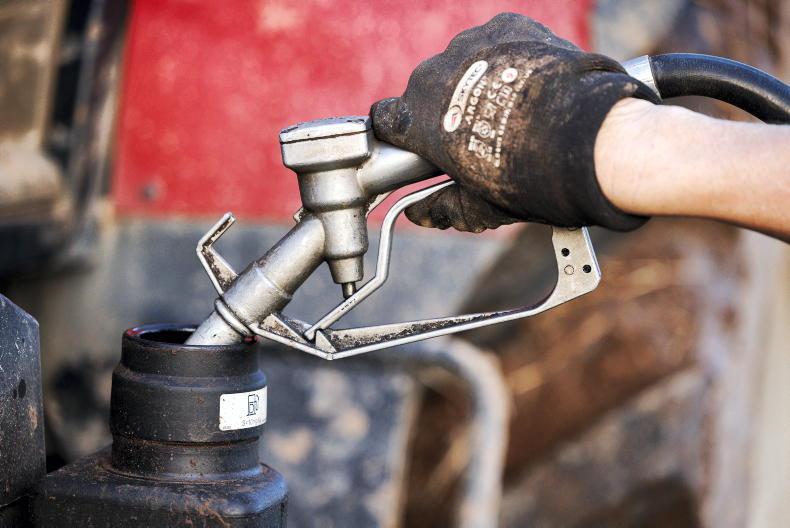
The report highlights the transport sector’s heavy dependence on diesel and gas oil across road, rail and navigation, as well as its widespread use in other sectors for machinery (such as agriculture) and heating.
Biodiesel remains the leading renewable energy product in transport, representing 2.5% of final energy consumption in 2024. While most biodiesel is used in transport, it is increasingly being adopted in other sectors as a substitute for gas oil.



SHARING OPTIONS