


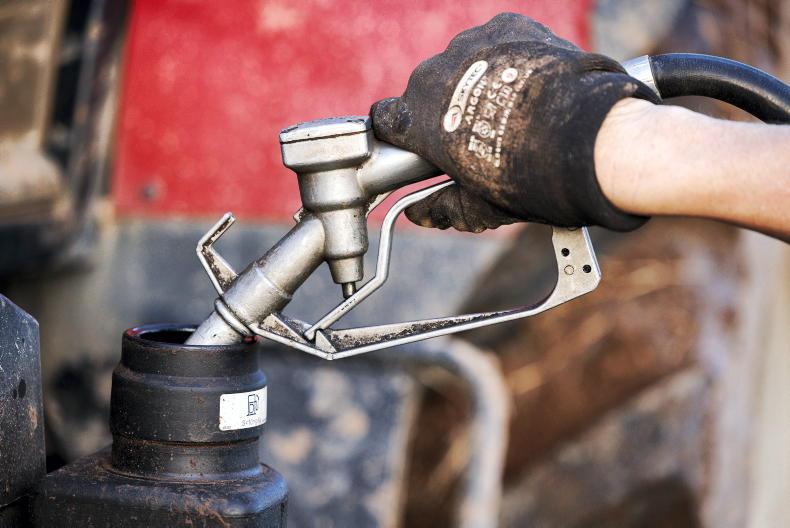
The lack of any significant inflation in farm input costs in 2025 has been a major relief to primary producers in this country after a couple of years of severe volatility in costs.
As the year comes to an end, it is increasingly looking like 2026 will be, once again, a year of relatively subdued price increases.
In energy, particularly, there is plenty of reason for optimism. Many investment banks are forecasting an average oil price below $60 a barrel (€51.50 per barrel) as supply is expected to grow faster than demand. Trafigura, one of the world’s biggest commodity traders, recently warned that the global oil market is facing a “super glut” next year, as fresh supply from South America comes online.
This extra supply will be met with sluggish global demand growth as the world economy remains in the doldrums from the effects of Russian invasion of Ukraine and President Trump’s trade policies.
Trafigura also noted that China, the world’s biggest importer, is expected to have particularly slow demand growth as the country’s huge fleet of electric vehicles has significantly reduced demand for petrol.
In the US, President Trump continues to push for further oil, pledging to “drill, baby, drill”. He is also motivated to keep prices at the pump lower, often citing how low gasoline prices are for drivers in his long addresses to the media and supporters.
For consumers in Europe, there is also the dividend from the stronger euro, which further reduces the cost of crude oil, a commodity priced in US dollars. In 2025 so far, the price of global benchmark Brent crude has been 20% lower when priced in US dollars, but 28% lower when priced in euro.
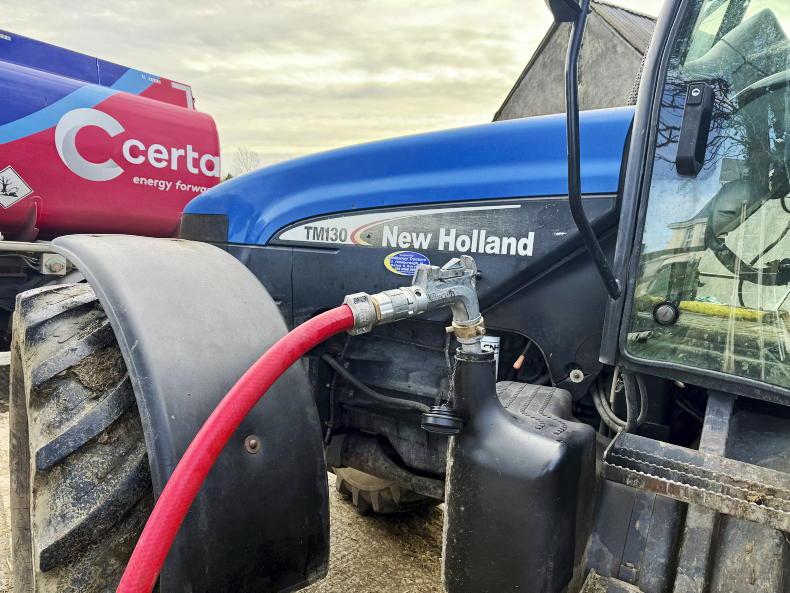
There are some risks to this outlook when it comes to Irish farms. Readers may have noticed that diesel prices have risen above petrol prices in forecourts recently.
This is primarily due to refinery capacity backlogs and reduced capacity from Russian operations, as Ukraine attacks slow production from that country – which exports around one million barrels per day. The reduction in that supply has had knock-on effects for diesel markets around the world.
In 2022 the Russian invasion of Ukraine saw significant bottlenecks in the diesel supply chain, which in October of that year pushed diesel prices more than 20c/l higher than petrol prices at the pump. There is nothing to indicate that we might see a price differential like that again, but it is likely that the long-term trend of diesel prices being lower than petrol prices could be over.
The are also further carbon taxes to be levied on the price of diesel and petrol over the coming years, but farmers buying green diesel for agricultural use can claim a rebate on that.
One other positive feature of the fuel market over 2025, which is expected to continue into 2026 is the lack of volatility in the oil price.
While there may have been plenty to cause concern for traders, events like the US and Israel launching strikes on Iran, and the continued uncertainty over sanctions on Russian supply have done little to cause notable price disruption.
With the growing expectation of a supply surplus in 2026, anything that looks likely to cause a disruption to output will probably be overlooked by oil traders.
However, if there is cause to expect even more supply to markets, possibly in the case of a successful and lasting peace in Ukraine, that could drive prices even lower.
The other energy component which caused major problems in 2022 was gas supplies, which in turn caused major disruption to the fertiliser market. Currently European gas storage is around 82% of capacity, plenty to get it through a normal to cold winter. However, a long, colder winter could see pressure on supply and price, which in turn could lead to a shutdown of fertiliser manufacturing in Europe.
This tail risk is likely to be less dominant after 2026 as further import capacity for US liquid natural gas comes on stream, opening access to a cheap supply of gas which would keep a lid on future price rises.
Comment
While fuel prices are only a relatively small proportion of on-farm costs, a rapid increase in the price of energy can have ripple effects across the whole economy – as we all found out in 2022.
The good news is that the outlook for the coming year is that oil prices could well drop lower as the year progresses. On gas, which directly effects the price of fertiliser, there are some risks, but barring an exceptionally cold winter, things are also looking positive there.
Aside from the direct costs from fuel, one of the major effects from rising oil prices is how they can change consumer sentiment.
People generally have little choice about buying fuel for the car and to heat their houses, meaning a rapid price increase is something which is widely felt, and something which can cause a reduction in overall demand in the economy.
This can directly hit demand for other, totally unrelated products. If consumers are feeling the pinch from energy prices, then they are less likely to eat out and less likely to buy more expensive food products – behaviour which can eventually feed through to the prices which can be paid to the primary producers of those food products.
Furthermore, if energy prices stay low, then the overall level of inflation in the economy will remain subdued.
The period of low inflation which was seen during most of the 2010s, which was so abruptly ended by the global pandemic and Russia’s invasion of Ukraine, saw a decade of strong growth in Ireland’s economy.
If the country can return to a prolonged period of benign inflation pressure, then there is no reason not to think that the country could enter another period of sustained economic growth.
And despite all the risks the country faces from dealing with the infrastructural challenges that come with that growth, it certainly is a better outlook than one where the economy is beset with high inflation and consumer uncertainty.




SHARING OPTIONS