


As 2025 draws to a close, it is worth reflecting on the year that has been. The development and rollout of renewable energy have continued at a pace that, while considerably faster than in previous years, still faces significant roadblocks.
Perhaps the most important realisation over the past year has been that Ireland’s infrastructure delivery pathway is simply not fit for purpose.
With a growing population, a thriving economy, rising energy demand and an urgent need to reduce emissions, we are not moving quickly enough. Planning reform, reform of key State bodies and updated planning regulations have all been promised by the current Government, yet delivery remains sluggish.
This is before we even consider the opportunities for farmers.
Flagship agri-renewable schemes are either being cut back or have failed to evolve in a way that would create greater participation and opportunity at farm level. As more projects do eventually progress to construction, community awareness is also increasing.
In many areas, proposed renewable developments are met with concern from local residents.
How these concerns are balanced with the clear need for infrastructure development and meaningful planning reform is a challenge to unfold in 2026.
Renewables Focus
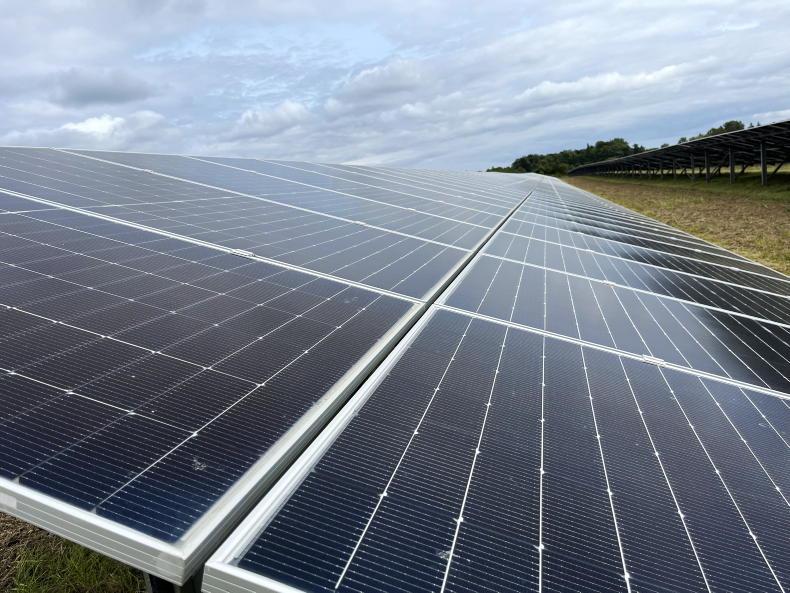
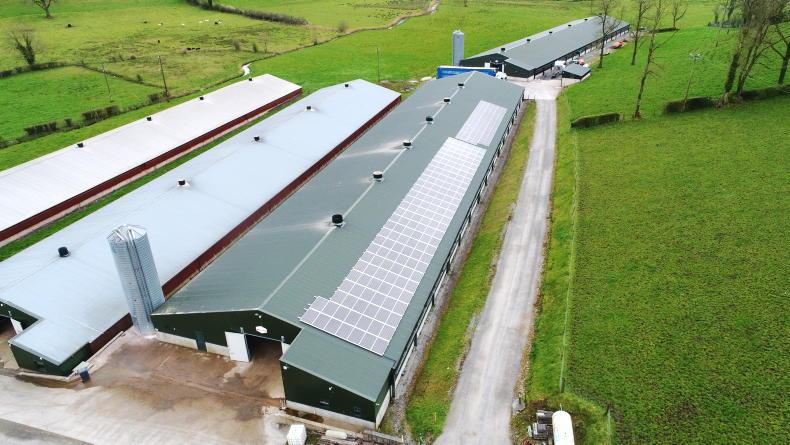
In this week’s renewables Focus, we examine two renewable technologies that are likely to have the greatest impact on agriculture, solar farms and anaerobic digestion. On pages 42 and 43, we explore the key criteria for selecting suitable sites for solar farms in Ireland. We speak to LP3, a company specialising in identifying land for solar development and acting as an intermediary between landowners and developers.
On pages 44 and 45, we travel to England to visit two anaerobic digestion plants using agricultural feedstock to produce renewable electricity. We examine how these plants operate and speak to their managers about the realities of running them.




SHARING OPTIONS