There are alternative fuels and solutions available to power our tractor fleet. However, most are far from straightforward. These technologies are at different stages of development and viability, and their suitability depends on factors such as farm setup, the type of work required, and overall energy demands.
In most cases, transitioning away from diesel also requires significant support, investment, and incentives to develop the necessary infrastructure.
Electric
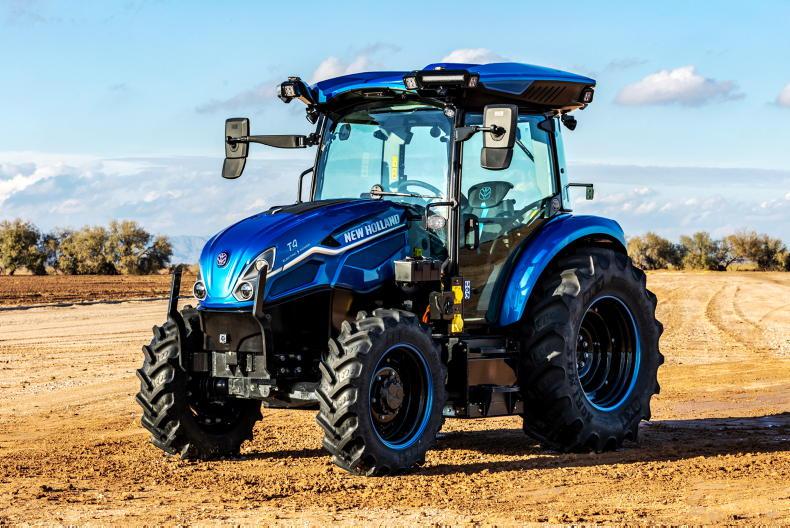
Electric tractors use battery-powered drivetrains instead of combustion engines, producing zero emissions, low noise and reduced maintenance. Major manufacturers, such as Kubota, AGCO and CNH Industrial, along with startups like Monarch Tractor, are investing heavily.
While they will play a key role in future farming, they are currently best suited to smaller farms and light-duty work, as battery size, cost and runtime remain a challenge.
Biomethane
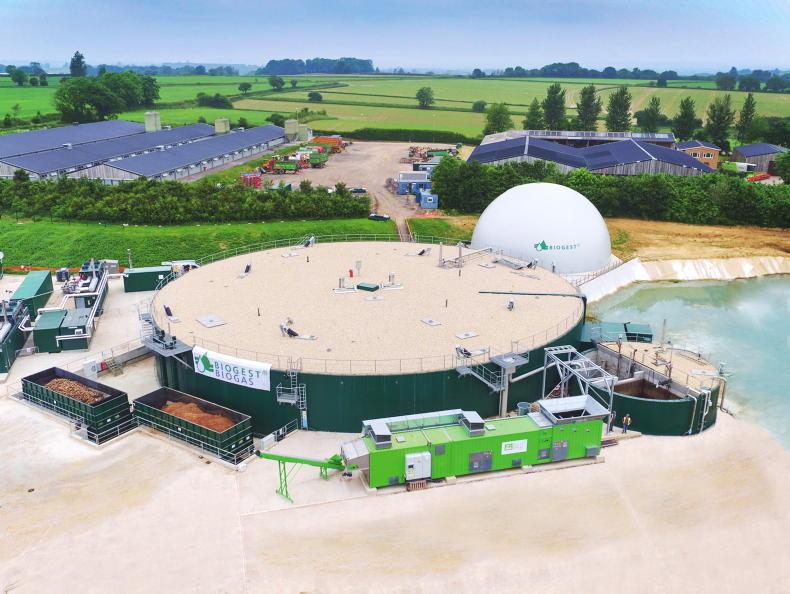
Biomethane tractors run on renewable gas produced from anaerobic digestion plants. New Holland is a leader in this area, having developed commercially available methane-powered tractors. These machines offer similar performance to diesel, while significantly lowering greenhouse gas emissions.
The main limitation is the need for on-farm or local gas production and refuelling infrastructure, but this technology is available today and used around Europe. Liquified biomethane is also gaining attention, but the same challenges if not greater apply.
Hydrogen
Hydrogen tractors are being developed using either combustion engines or fuel cells that generate electricity on board. Companies such as Fendt, Massey Ferguson and JCB are actively working on hydrogen-powered machinery.
While the technology shows potential, challenges around hydrogen storage, cost and refuelling infrastructure mean it will be years, if not decades before it’s a real option.
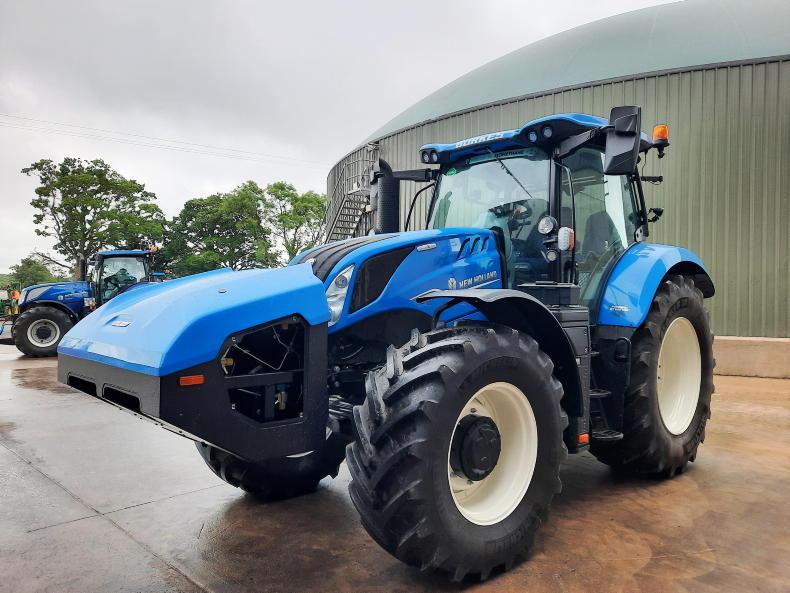
New Holland's biomethane tractor.
Biofuels
Biofuels such as biodiesels like FAME (Fatty Acid Methyl Ester) and hydrotreated vegetable oil (HVO) are renewable alternatives that can often be used in existing diesel engines with little or no modification.
Manufacturers like John Deere, CLAAS, and AGCO support their use across many tractor models. Biofuel supply and price remain the biggest challenge, but none the less, this option may be the simplest for farmers.
Hybrid
Hybrid tractors combine diesel engines with electric drivetrains to improve efficiency and reduce fuel use. This lowers emissions without requiring new fuel infrastructure. Companies such as Zoomlion, AGCO and CNH Industrial are developing these systems, which could soon be a practical option.
Other fuels
A range of other alternative fuels are being explored for tractors, though most remain niche or early-stage. Ammonia is a carbon-free fuel under development by companies like Amogy, but safety, toxicity, and energy density are challenges.
Synthetic fuels, or e-fuels, can be used in existing engines, with John Deere and CNH Industrial exploring their potential, though costs remain high. Alcohol fuels like ethanol and methanol burn cleaner but have limited use due to lower energy density. It’s also worth mentioning petrol, once common in tractors, is now mostly confined to small machines.
There are alternative fuels and solutions available to power our tractor fleet. However, most are far from straightforward. These technologies are at different stages of development and viability, and their suitability depends on factors such as farm setup, the type of work required, and overall energy demands.
In most cases, transitioning away from diesel also requires significant support, investment, and incentives to develop the necessary infrastructure.
Electric
Electric tractors use battery-powered drivetrains instead of combustion engines, producing zero emissions, low noise and reduced maintenance. Major manufacturers, such as Kubota, AGCO and CNH Industrial, along with startups like Monarch Tractor, are investing heavily.
While they will play a key role in future farming, they are currently best suited to smaller farms and light-duty work, as battery size, cost and runtime remain a challenge.
Biomethane
Biomethane tractors run on renewable gas produced from anaerobic digestion plants. New Holland is a leader in this area, having developed commercially available methane-powered tractors. These machines offer similar performance to diesel, while significantly lowering greenhouse gas emissions.
The main limitation is the need for on-farm or local gas production and refuelling infrastructure, but this technology is available today and used around Europe. Liquified biomethane is also gaining attention, but the same challenges if not greater apply.
Hydrogen
Hydrogen tractors are being developed using either combustion engines or fuel cells that generate electricity on board. Companies such as Fendt, Massey Ferguson and JCB are actively working on hydrogen-powered machinery.
While the technology shows potential, challenges around hydrogen storage, cost and refuelling infrastructure mean it will be years, if not decades before it’s a real option.
New Holland's biomethane tractor.
Biofuels
Biofuels such as biodiesels like FAME (Fatty Acid Methyl Ester) and hydrotreated vegetable oil (HVO) are renewable alternatives that can often be used in existing diesel engines with little or no modification.
Manufacturers like John Deere, CLAAS, and AGCO support their use across many tractor models. Biofuel supply and price remain the biggest challenge, but none the less, this option may be the simplest for farmers.
Hybrid
Hybrid tractors combine diesel engines with electric drivetrains to improve efficiency and reduce fuel use. This lowers emissions without requiring new fuel infrastructure. Companies such as Zoomlion, AGCO and CNH Industrial are developing these systems, which could soon be a practical option.
Other fuels
A range of other alternative fuels are being explored for tractors, though most remain niche or early-stage. Ammonia is a carbon-free fuel under development by companies like Amogy, but safety, toxicity, and energy density are challenges.
Synthetic fuels, or e-fuels, can be used in existing engines, with John Deere and CNH Industrial exploring their potential, though costs remain high. Alcohol fuels like ethanol and methanol burn cleaner but have limited use due to lower energy density. It’s also worth mentioning petrol, once common in tractors, is now mostly confined to small machines.








SHARING OPTIONS