The energy shock caused by conflict in the Middle East has once again focused minds on countries’ energy supplies.
Modern economies have been built upon the availability of abundant, relatively cheap and reliable energy, whether that be oil, diesel, petrol or natural gas.
That system has delivered stability and growth for decades, but it has also created a heavy dependence on imported fuels here in Ireland.
For readers of my generation, the first time this system was truly tested was in 2022 with Russia’s invasion of Ukraine. The lessons from what was described at the time as a once-in-a-generation shock were quickly forgotten, as just a few years later we are facing yet another global energy crisis, one which again has the potential to impact nearly all major economies.
Given Ireland’s island status and dependence on energy imports, little has been done both north and south of the border to protect and secure our energy future. The question now is whether this latest shock will finally force the policymakers to take energy security seriously.
Judging by the conversations at the recent Smart Energy conference in Northern Ireland (NI) last week, it doesn’t appear so, as there still seems to be little real sense of urgency. Notably, farmers were largely absent from the conversation, despite being both major energy users and potential energy producers.
NI powerhouse
NI was once regarded as a powerhouse for renewable energy, certainly in farming circles.
In 2022, 51% of all electricity came from renewable energy, driven by a broad mix of wind farm, biomass, biogas, hydro, solar and small-scale wind power.
But, according to Mark Richardson, director of RenewableNI, despite renewables having a stronger case, the progress has stalled in NI.
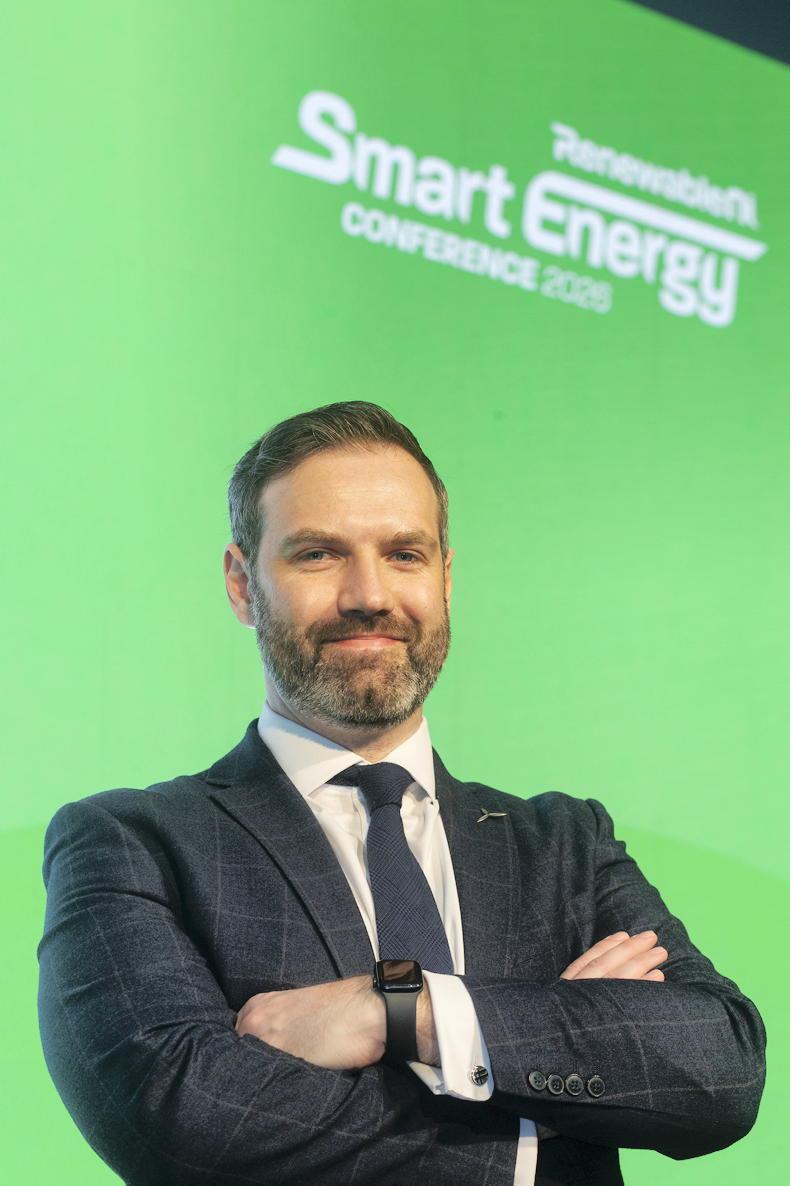
Mark Richardson.
Many in the renewable energy sector gathered in Belfast for the conference which repeated the reasons why. These are policy delays, grid constraints, and planning barriers.
Urgency
At the centre of the policy discussion was NI’s new flagship Renewable Electricity Price Guarantee (REPG) scheme, an auction-based support scheme similar to those already in place in the Republic of Ireland and Great Britain.
Rachel Sankannawar, Project Director with the Department for the Economy, described the REPG as a complex but essential scheme and the first of its kind for NI. She said the scheme will be technology-agnostic and designed to support a broader mix of renewable technologies.
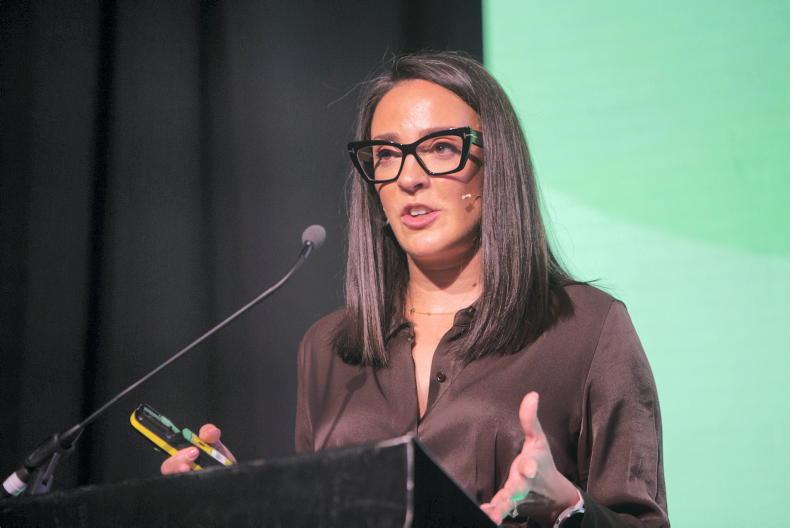
Rachel Sankannawar.
However, she acknowledged that the scheme requires primary legislation to pass through the NI Assembly and that there are differing views within Stormont, including some scepticism about renewable energy, particularly wind.
Discussions around the scheme throughout the day suggested that if the scheme is operational before the end of the current Stormont mandate, in roughly 400 days’ time, it would be considered progress.
However, for developers looking to build projects today, that timeline backs up that there is little sense of urgency in NI.
Gird bottleneck
While policy support is critical, the discussion made it clear that grid infrastructure may be the biggest practical barrier to renewable deployment.
Simon Steen Møller, head of international affairs at ERG SpA, told the conference that developers need three things to invest in a region: planning permission, viable economics and grid access.
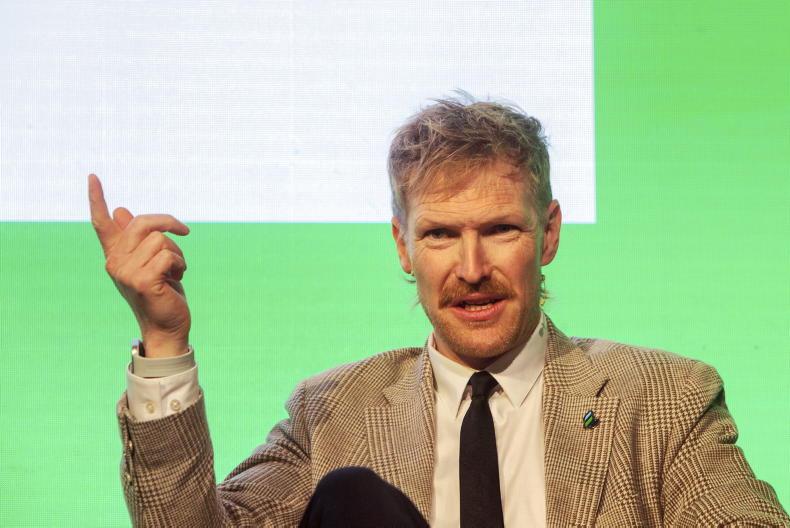
Simon Steen Møller.
Planning and economics are challenges but manageable, he said. The grid, however, is the real blocker.
ERG is an Italy-based renewable energy developer present in nine European countries. The company transitioned from oil refining into renewable energy and has been the largest investor in renewables in NI over the past seven years, accounting for around 70% of new wind capacity built during that period.
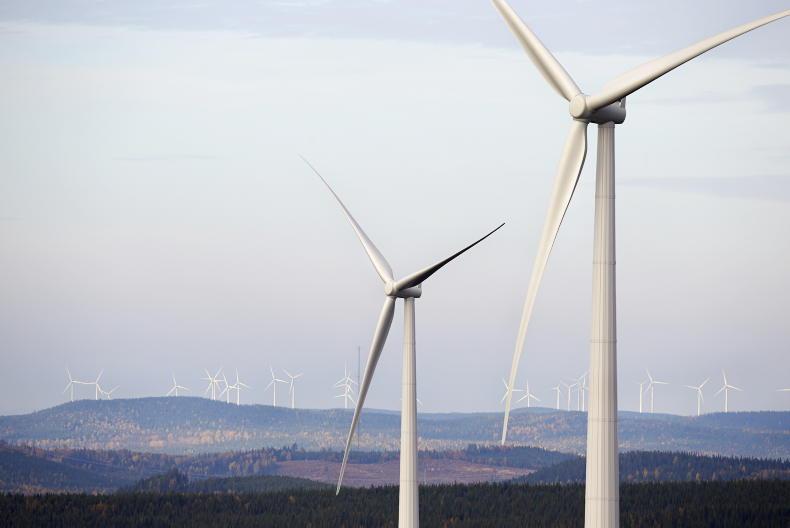
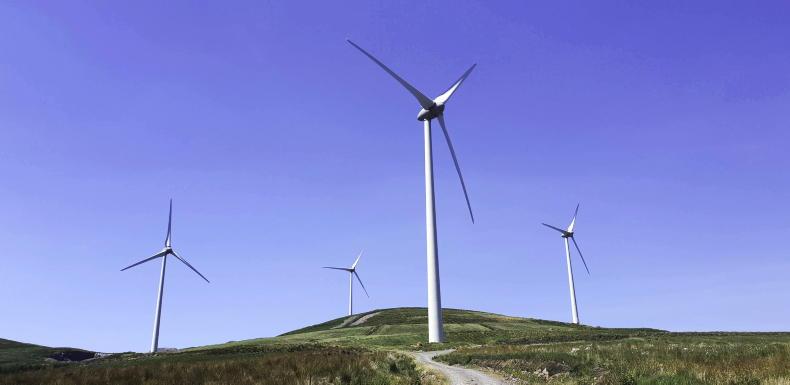
Steen Møller said constraint levels of around 30% mean roughly one in three turbines can be standing idle due to grid limitations.
This effectively creates stranded assets and undermines project economics.
He told the conference that this is the reason ERG’s CEO has instructed the company not to invest in further projects in NI until grid constraints are addressed. He also suggested that this may explain why other international developers are not investing in the region.
North-South Interconnector
Steen Møller also drove home the importance of grid infrastructure, particularly the North-South Interconnector, describing it as essential for reducing constraints across the island.
He warned that the sequencing of grid projects is important. If additional capacity is built before the Interconnector is completed, constraint levels could actually increase rather than decrease. This could lead to a situation where renewable generators are constrained for long periods while consumers still pay the cost.
He argued that failing to make decisions on grid infrastructure is itself a decision, and delays will have consequences for investment and energy costs.
Still attractive
Despite the challenges, developers emphasised that NI remains an attractive place for renewable investment due to strong wind resources and high capacity factors.
Steen Møller said that one of ERG’s latest projects in NI has a capacity factor of around 40%, which is extremely high by European standards. He suggested that NI could become “the Spain of wind power” because of its wind resource.
He also pointed out that electricity markets that rely less on gas tend to have more stable prices.
Spain was given as an example of a market where electricity prices are less influenced by gas prices than in countries like Italy. Increasing renewable generation would help stabilise electricity prices in NI over time he said.
Planning
Planning was another major theme of the session. While there have been some recent policy improvements, the planning system is still widely seen as one of the biggest barriers to renewable development.
Projects can remain in the planning system for several years due to consultation delays, environmental assessments, and legal challenges.
Developers pointed out that there are projects in NI that already have planning permission but are still not being built, which again points back to grid and economic issues rather than planning alone.
Farmers missing
Renewable deployment is no longer just about building wind farms. It is about transforming the entire electricity system, including grid infrastructure, storage, market structures, and demand management. This requires coordination across multiple organisations and sectors.
Sankannawar emphasised that collaboration across government, industry, regulators, planners and communities will be essential to deliver the energy transition.
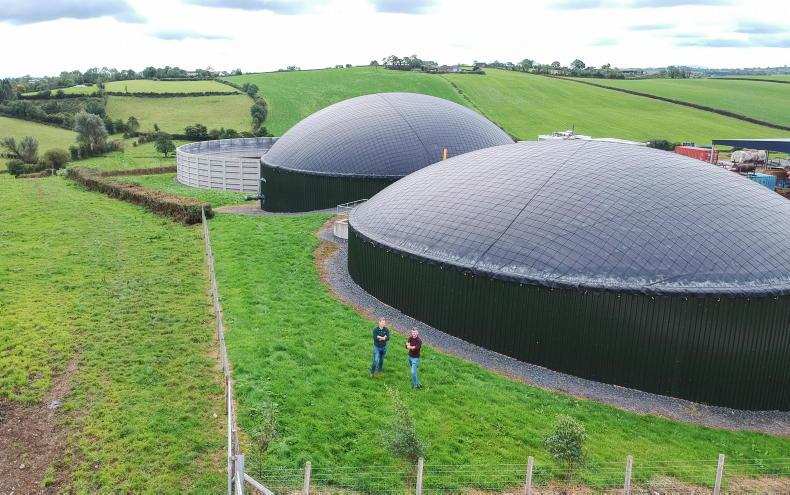
Farmers were absent from the conversation.
However, notably absent from the day, and from much of the wider conversation, was the question of where farmers fit into this new renewable energy reality.
A criticism often raised by the Ulster Farmers Union is that the new REPG scheme appears to be geared towards larger developers, with smaller farm-scale projects potentially being left behind.
Many on-farm renewable energy projects will be nearing the end of their support scheme lifetimes over the coming decade, meaning farmers are already starting to think about the next steps.
Many wind turbines on farms could be repowered and upgraded – grid capacity permitting – while biogas plants could be expanded to increase output or begin producing biomethane for injection into the gas grid.
All of these options represent real opportunities for farmers to remain part of the energy transition, yet none of these subjects featured at any point throughout the day.
If the energy transition is to involve rural communities and farmers, then their role needs to be part of the conversation now, not later.
The energy shock caused by conflict in the Middle East has once again focused minds on countries’ energy supplies.
Modern economies have been built upon the availability of abundant, relatively cheap and reliable energy, whether that be oil, diesel, petrol or natural gas.
That system has delivered stability and growth for decades, but it has also created a heavy dependence on imported fuels here in Ireland.
For readers of my generation, the first time this system was truly tested was in 2022 with Russia’s invasion of Ukraine. The lessons from what was described at the time as a once-in-a-generation shock were quickly forgotten, as just a few years later we are facing yet another global energy crisis, one which again has the potential to impact nearly all major economies.
Given Ireland’s island status and dependence on energy imports, little has been done both north and south of the border to protect and secure our energy future. The question now is whether this latest shock will finally force the policymakers to take energy security seriously.
Judging by the conversations at the recent Smart Energy conference in Northern Ireland (NI) last week, it doesn’t appear so, as there still seems to be little real sense of urgency. Notably, farmers were largely absent from the conversation, despite being both major energy users and potential energy producers.
NI powerhouse
NI was once regarded as a powerhouse for renewable energy, certainly in farming circles.
In 2022, 51% of all electricity came from renewable energy, driven by a broad mix of wind farm, biomass, biogas, hydro, solar and small-scale wind power.
But, according to Mark Richardson, director of RenewableNI, despite renewables having a stronger case, the progress has stalled in NI.
Mark Richardson.
Many in the renewable energy sector gathered in Belfast for the conference which repeated the reasons why. These are policy delays, grid constraints, and planning barriers.
Urgency
At the centre of the policy discussion was NI’s new flagship Renewable Electricity Price Guarantee (REPG) scheme, an auction-based support scheme similar to those already in place in the Republic of Ireland and Great Britain.
Rachel Sankannawar, Project Director with the Department for the Economy, described the REPG as a complex but essential scheme and the first of its kind for NI. She said the scheme will be technology-agnostic and designed to support a broader mix of renewable technologies.
Rachel Sankannawar.
However, she acknowledged that the scheme requires primary legislation to pass through the NI Assembly and that there are differing views within Stormont, including some scepticism about renewable energy, particularly wind.
Discussions around the scheme throughout the day suggested that if the scheme is operational before the end of the current Stormont mandate, in roughly 400 days’ time, it would be considered progress.
However, for developers looking to build projects today, that timeline backs up that there is little sense of urgency in NI.
Gird bottleneck
While policy support is critical, the discussion made it clear that grid infrastructure may be the biggest practical barrier to renewable deployment.
Simon Steen Møller, head of international affairs at ERG SpA, told the conference that developers need three things to invest in a region: planning permission, viable economics and grid access.
Simon Steen Møller.
Planning and economics are challenges but manageable, he said. The grid, however, is the real blocker.
ERG is an Italy-based renewable energy developer present in nine European countries. The company transitioned from oil refining into renewable energy and has been the largest investor in renewables in NI over the past seven years, accounting for around 70% of new wind capacity built during that period.
Steen Møller said constraint levels of around 30% mean roughly one in three turbines can be standing idle due to grid limitations.
This effectively creates stranded assets and undermines project economics.
He told the conference that this is the reason ERG’s CEO has instructed the company not to invest in further projects in NI until grid constraints are addressed. He also suggested that this may explain why other international developers are not investing in the region.
North-South Interconnector
Steen Møller also drove home the importance of grid infrastructure, particularly the North-South Interconnector, describing it as essential for reducing constraints across the island.
He warned that the sequencing of grid projects is important. If additional capacity is built before the Interconnector is completed, constraint levels could actually increase rather than decrease. This could lead to a situation where renewable generators are constrained for long periods while consumers still pay the cost.
He argued that failing to make decisions on grid infrastructure is itself a decision, and delays will have consequences for investment and energy costs.
Still attractive
Despite the challenges, developers emphasised that NI remains an attractive place for renewable investment due to strong wind resources and high capacity factors.
Steen Møller said that one of ERG’s latest projects in NI has a capacity factor of around 40%, which is extremely high by European standards. He suggested that NI could become “the Spain of wind power” because of its wind resource.
He also pointed out that electricity markets that rely less on gas tend to have more stable prices.
Spain was given as an example of a market where electricity prices are less influenced by gas prices than in countries like Italy. Increasing renewable generation would help stabilise electricity prices in NI over time he said.
Planning
Planning was another major theme of the session. While there have been some recent policy improvements, the planning system is still widely seen as one of the biggest barriers to renewable development.
Projects can remain in the planning system for several years due to consultation delays, environmental assessments, and legal challenges.
Developers pointed out that there are projects in NI that already have planning permission but are still not being built, which again points back to grid and economic issues rather than planning alone.
Farmers missing
Renewable deployment is no longer just about building wind farms. It is about transforming the entire electricity system, including grid infrastructure, storage, market structures, and demand management. This requires coordination across multiple organisations and sectors.
Sankannawar emphasised that collaboration across government, industry, regulators, planners and communities will be essential to deliver the energy transition.
Farmers were absent from the conversation.
However, notably absent from the day, and from much of the wider conversation, was the question of where farmers fit into this new renewable energy reality.
A criticism often raised by the Ulster Farmers Union is that the new REPG scheme appears to be geared towards larger developers, with smaller farm-scale projects potentially being left behind.
Many on-farm renewable energy projects will be nearing the end of their support scheme lifetimes over the coming decade, meaning farmers are already starting to think about the next steps.
Many wind turbines on farms could be repowered and upgraded – grid capacity permitting – while biogas plants could be expanded to increase output or begin producing biomethane for injection into the gas grid.
All of these options represent real opportunities for farmers to remain part of the energy transition, yet none of these subjects featured at any point throughout the day.
If the energy transition is to involve rural communities and farmers, then their role needs to be part of the conversation now, not later.





SHARING OPTIONS