Now that the busy season is over and the cows are in calf, attention turns to attempting to have a social life.
This summer has also been the wettest I have experienced in four years out here and it would give summer back home in NI a run for its money.
In between the showers, we’ve tried our hand at surfing in Christchurch, which is just over an hour north of the farm. Every Tuesday, we aim to start milking on time, ensuring that 1,200 cows are through the parlour and the shed is washed out by 5pm, so we can head up the road.
Typically, a car load of us from the farm and the local area venture to Sumner Beach on the Pacific coast to enjoy some time in the water. This initiative is sponsored by agribusinesses, banks and milk processors, and it takes place at locations across the country under the banner “Surfing for Farmers”.
After our surfing attempts, we get to enjoy a BBQ hosted by a different sponsor each week.
Taking the time to participate in events like this hasn’t usually been on my agenda, but the more time I spend in New Zealand, the more I try to fill my evenings with activities.
The other night at a party, I was nearly convinced to join a CrossFit group, but thankfully common sense prevailed once we were shown a video of what it actually entailed.
For now, I will stick to more traditional activities a few times a week.
But joking aside, these events provide a great opportunity to catch up with neighbours and meet new people within the industry.
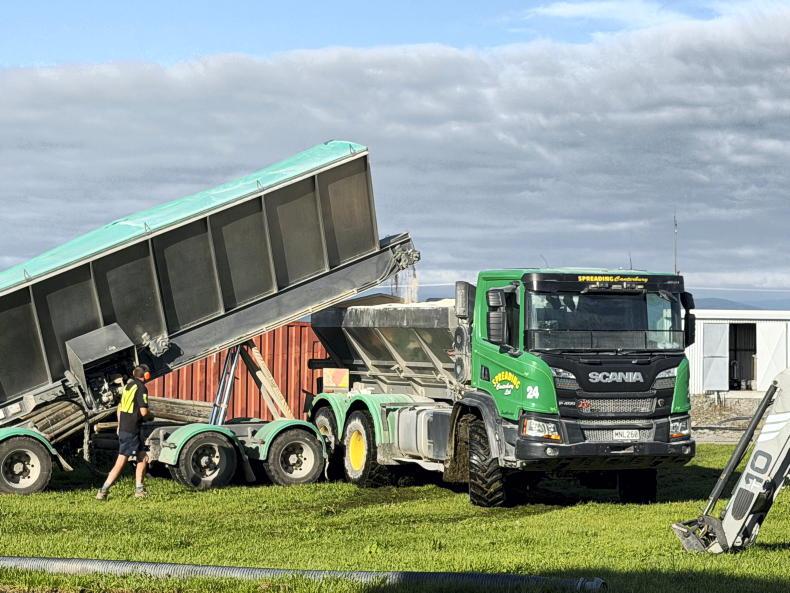
The reclaimed forestry land was limed ahead of being sown out.
Considering that many farms in New Zealand can be extremely isolated, it can often be challenging to find the motivation to get in the car and travel to events.
Reseeding
Back on the farm, we’ve been busy reseeding old forestry ground.
This 40-hectare block had been in forestry around 12 years ago and once we purchased the farm in June, we’ve had the task of finishing what the previous owner started.
This process began with root raking and removing any remaining stumps, followed by having a helicopter spray the ground off.
As is typically found with old forestry ground, the carbon from tree roots tends to consume a significant amount of nitrogen until it breaks down over the coming years
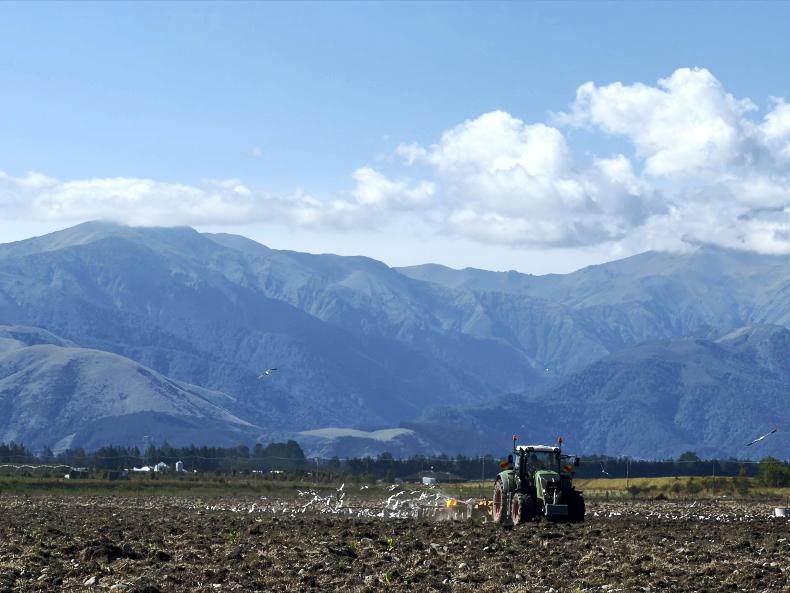
We then made about three passes with the largest discs we could find before it was subsequently hit with the levelling bar and roller. Just in the last few days, this ground has been sown using a roller drill.
As is typically found with old forestry ground, the carbon from tree roots tends to consume a significant amount of nitrogen until it breaks down over the coming years. It will be interesting to see what we can grow from it over the next season, compared to the established ground.
Planning
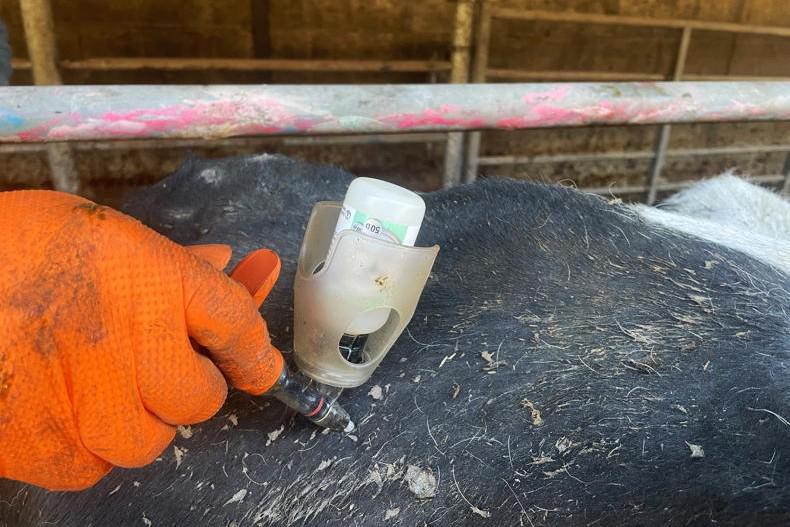
On the cow front, we’ve been planning for dry-off in May, with milk recording completed this week. This recording, done later in the season, is primarily to identify which cows we will treat with dry cow antibiotics at the end of the season.
To date, the farm’s SCC has averaged 140,000
Any cows recorded with a somatic cell count (SCC) below 120,000 will not receive antibiotics at dry-off.
To date, the farm’s SCC has averaged 140,000, which we are extremely pleased with, especially considering it’s a new herd. This time of year, the focus has very much switched from production in the herd to instead, setting the farm up for grazing next season.
Now that the busy season is over and the cows are in calf, attention turns to attempting to have a social life.
This summer has also been the wettest I have experienced in four years out here and it would give summer back home in NI a run for its money.
In between the showers, we’ve tried our hand at surfing in Christchurch, which is just over an hour north of the farm. Every Tuesday, we aim to start milking on time, ensuring that 1,200 cows are through the parlour and the shed is washed out by 5pm, so we can head up the road.
Typically, a car load of us from the farm and the local area venture to Sumner Beach on the Pacific coast to enjoy some time in the water. This initiative is sponsored by agribusinesses, banks and milk processors, and it takes place at locations across the country under the banner “Surfing for Farmers”.
After our surfing attempts, we get to enjoy a BBQ hosted by a different sponsor each week.
Taking the time to participate in events like this hasn’t usually been on my agenda, but the more time I spend in New Zealand, the more I try to fill my evenings with activities.
The other night at a party, I was nearly convinced to join a CrossFit group, but thankfully common sense prevailed once we were shown a video of what it actually entailed.
For now, I will stick to more traditional activities a few times a week.
But joking aside, these events provide a great opportunity to catch up with neighbours and meet new people within the industry.
The reclaimed forestry land was limed ahead of being sown out.
Considering that many farms in New Zealand can be extremely isolated, it can often be challenging to find the motivation to get in the car and travel to events.
Reseeding
Back on the farm, we’ve been busy reseeding old forestry ground.
This 40-hectare block had been in forestry around 12 years ago and once we purchased the farm in June, we’ve had the task of finishing what the previous owner started.
This process began with root raking and removing any remaining stumps, followed by having a helicopter spray the ground off.
As is typically found with old forestry ground, the carbon from tree roots tends to consume a significant amount of nitrogen until it breaks down over the coming years
We then made about three passes with the largest discs we could find before it was subsequently hit with the levelling bar and roller. Just in the last few days, this ground has been sown using a roller drill.
As is typically found with old forestry ground, the carbon from tree roots tends to consume a significant amount of nitrogen until it breaks down over the coming years. It will be interesting to see what we can grow from it over the next season, compared to the established ground.
Planning
On the cow front, we’ve been planning for dry-off in May, with milk recording completed this week. This recording, done later in the season, is primarily to identify which cows we will treat with dry cow antibiotics at the end of the season.
To date, the farm’s SCC has averaged 140,000
Any cows recorded with a somatic cell count (SCC) below 120,000 will not receive antibiotics at dry-off.
To date, the farm’s SCC has averaged 140,000, which we are extremely pleased with, especially considering it’s a new herd. This time of year, the focus has very much switched from production in the herd to instead, setting the farm up for grazing next season.






SHARING OPTIONS