Animal identification and movement rules clarification
Animal identification and registration (IDR) is governed under EU Legislation as opposed to conditionality, but many CAP schemes require adherence to IDR rules for animals to be eligible for payment.
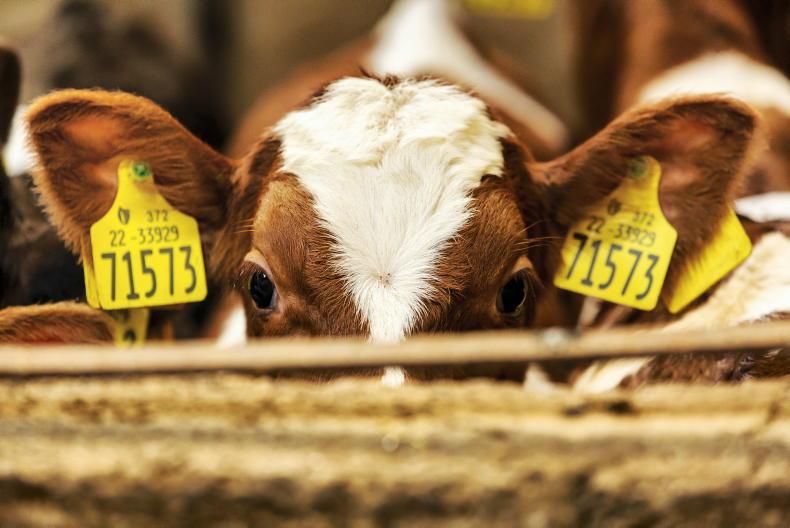
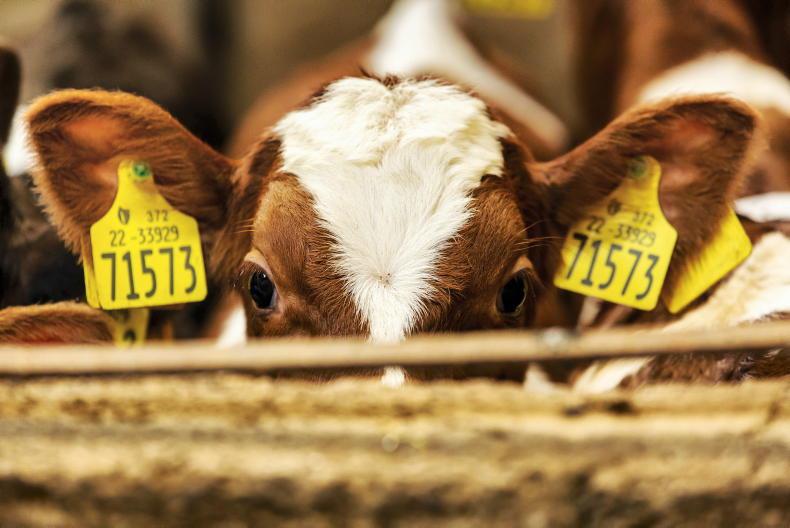
For suckler and dairy-beef schemes animals must be registered, identified and recorded as per EU Legislation for animals to be deemed eligible for payment. \ Philip Doyle
ADVERTISEMENT
An article in last week’s Focus stated that animal identification and movement rules were a key requirement of conditionality and that non-adherence to rules could risk sanctions to a farmer’s direct payments under the CAP Strategic Plan 2023-2027. This was stated in error, as since the start of the current CAP on 1 January 2023 conditionality requirements do not include identification and registration (IDR). As such, requirements relating to IDR for bovines, ovines, caprines and pigs are governed under EU legislation.
Inspections are still carried out annually by the Department on 3% of herds/flocks as per EU rules. Where significant non-compliances are found farmers are given an opportunity to correct these errors. If issues are not resolved, the herd/flock is restricted on the Animal Identification and Movement system (AIMS) until the issues are resolved and a fixed penalty notice of €250 may be applied.
Schemes and identification
ADVERTISEMENT
While IDR is not policed under conditionality, adherence to IDR rules is a prerequisite for payment eligibility in many CAP schemes. For example submission of the annual sheep and goat census is an eligibility requirement for the Sheep Improvement Scheme and the National Sheep Welfare Scheme while maintaining an up-to-date and accurate flock register is necessary to ensure compliance with the scheme reference / payable number. For beef schemes including the Suckler Carbon Efficiency Programme and the National Beef Welfare Scheme an eligible suckler cow is one which is “tagged, registered and recorded in accordance with AIM rules, EU Regulation 1760/2000”. While an eligible calf must be tagged and registered as per the same regulations within 27 days of birth. Therefore, continued compliance with IDR rules is important to achieve.
Register for free to read this story and our free stories.
This content is available to digital subscribers and loyalty code users only. Sign in to your account, use the code or subscribe to get unlimited access.
However, if you would like to share the information in this article, you may use the headline, summary and link below:
Title: Animal identification and movement rules clarification
Animal identification and registration (IDR) is governed under EU Legislation as opposed to conditionality, but many CAP schemes require adherence to IDR rules for animals to be eligible for payment.
The reader loyalty code gives you full access to the site from when you enter it until the following Wednesday at 9pm. Find your unique code on the back page of Irish Country Living every week.
CODE ACCEPTED
You have full access to the site until next Wednesday at 9pm.
CODE NOT VALID
Please try again or contact support.
An article in last week’s Focus stated that animal identification and movement rules were a key requirement of conditionality and that non-adherence to rules could risk sanctions to a farmer’s direct payments under the CAP Strategic Plan 2023-2027. This was stated in error, as since the start of the current CAP on 1 January 2023 conditionality requirements do not include identification and registration (IDR). As such, requirements relating to IDR for bovines, ovines, caprines and pigs are governed under EU legislation.
Inspections are still carried out annually by the Department on 3% of herds/flocks as per EU rules. Where significant non-compliances are found farmers are given an opportunity to correct these errors. If issues are not resolved, the herd/flock is restricted on the Animal Identification and Movement system (AIMS) until the issues are resolved and a fixed penalty notice of €250 may be applied.
Schemes and identification
While IDR is not policed under conditionality, adherence to IDR rules is a prerequisite for payment eligibility in many CAP schemes. For example submission of the annual sheep and goat census is an eligibility requirement for the Sheep Improvement Scheme and the National Sheep Welfare Scheme while maintaining an up-to-date and accurate flock register is necessary to ensure compliance with the scheme reference / payable number. For beef schemes including the Suckler Carbon Efficiency Programme and the National Beef Welfare Scheme an eligible suckler cow is one which is “tagged, registered and recorded in accordance with AIM rules, EU Regulation 1760/2000”. While an eligible calf must be tagged and registered as per the same regulations within 27 days of birth. Therefore, continued compliance with IDR rules is important to achieve.
If you would like to speak to a member of our team, please call us on 01-4199525.
Link sent to your email address
We have sent an email to your address. Please click on the link in this email to reset your password. If you can't find it in your inbox, please check your spam folder. If you can't find the email, please call us on 01-4199525.
ENTER YOUR LOYALTY CODE:
The reader loyalty code gives you full access to the site from when you enter it until the following Wednesday at 9pm. Find your unique code on the back page of Irish Country Living every week.









SHARING OPTIONS