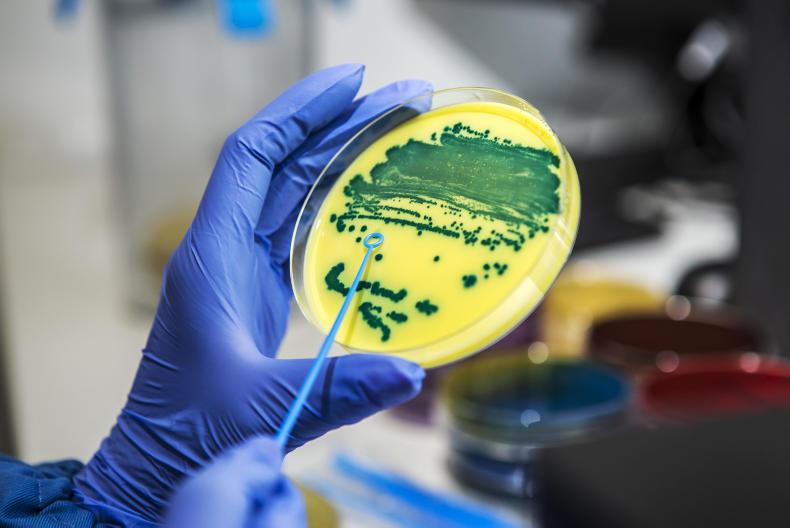
Work by SRUC and Food Standards Scotland has demonstrated that the rate of antibiotic resistance remains steady and relatively low. For the second successive year, data was collected on commensal E coli cultured from the faeces of healthy livestock presenting at abattoirs in Scotland.
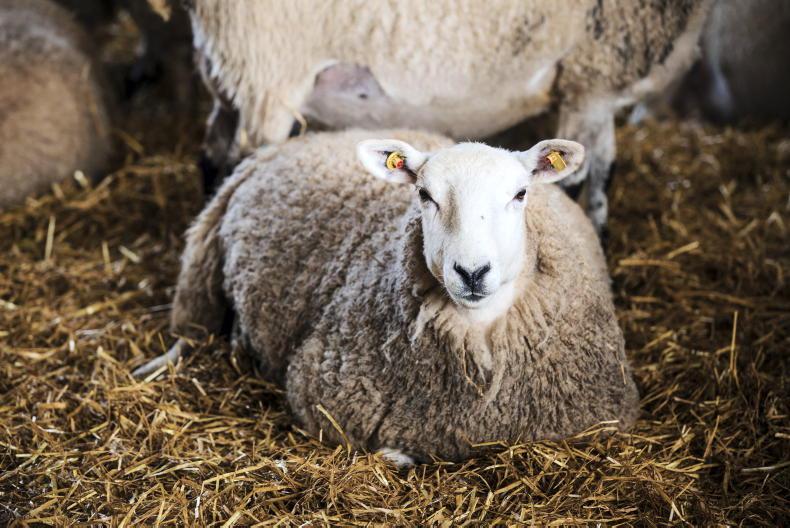
Once again, the levels of non-susceptible E coli from poultry and pigs were greater than those detected from cattle and sheep, but levels for each animal species remained relatively stable when compared with 2017.
Dr Geoff Foster, microbiology manager at SRUC Veterinary Services, said: “Reducing the levels of non-sensitive microbes to antibiotics in food-producing animals is important to both animal and human health. This is our second year of full data and, while farmers, vets and the wider public should welcome stability in the data, we have a shared responsibility to combat anti-microbial resistance.”
ADVERTISEMENT
Register for free to read this story and our free stories.
This content is available to digital subscribers and loyalty code users only. Sign in to your account, use the code or subscribe to get unlimited access.
The reader loyalty code gives you full access to the site from when you enter it until the following Wednesday at 9pm. Find your unique code on the back page of Irish Country Living every week.
CODE ACCEPTED
You have full access to the site until next Wednesday at 9pm.
CODE NOT VALID
Please try again or contact support.
Work by SRUC and Food Standards Scotland has demonstrated that the rate of antibiotic resistance remains steady and relatively low. For the second successive year, data was collected on commensal E coli cultured from the faeces of healthy livestock presenting at abattoirs in Scotland.
Once again, the levels of non-susceptible E coli from poultry and pigs were greater than those detected from cattle and sheep, but levels for each animal species remained relatively stable when compared with 2017.
Dr Geoff Foster, microbiology manager at SRUC Veterinary Services, said: “Reducing the levels of non-sensitive microbes to antibiotics in food-producing animals is important to both animal and human health. This is our second year of full data and, while farmers, vets and the wider public should welcome stability in the data, we have a shared responsibility to combat anti-microbial resistance.”
If you would like to speak to a member of our team, please call us on 01-4199525.
Link sent to your email address
We have sent an email to your address. Please click on the link in this email to reset your password. If you can't find it in your inbox, please check your spam folder. If you can't find the email, please call us on 01-4199525.
ENTER YOUR LOYALTY CODE:
The reader loyalty code gives you full access to the site from when you enter it until the following Wednesday at 9pm. Find your unique code on the back page of Irish Country Living every week.







SHARING OPTIONS