CLP compliance: it is not surprising given the torrential rainfall and waterlogged soils that compliance with the clean livestock policy is cropping up. Issues are said to be minor, with many farmers now well accustomed to the requirements but there are still some producers getting caught out.
The greatest issue causing concern and risking lambs falling in to category C is where lambs are presented with a very wet and soiled fleece. Factories have a better chance of working with lambs with soiled fleeces where they are presented relatively dry but drenched fleeces provide fewer options.
If shearing to address issues pre-slaughter, then the area of the cut line which stretches from just under the animals neck right down to the tail must be shorn and not just the belly region. If dealing with crossbred or hill lambs with a long fleece, then a wider area may need to be clipped to account for long soiled wool falling across cut lines.
Capitalising on any break in weather, fasting animals before loading or housing in advance of slaughter will help majorly to reduce issues. If housing sheep, then housing relatively dry as opposed to wet will also deliver big advantages in keeping bedding drier and cutting down the time from housing to slaughter.
A suitable absorbent material such as wood shavings will also greatly help during transit to the factory. Dagging animals with dirty tailends also delivers big benefits in reducing soiling of fleeces during handling.
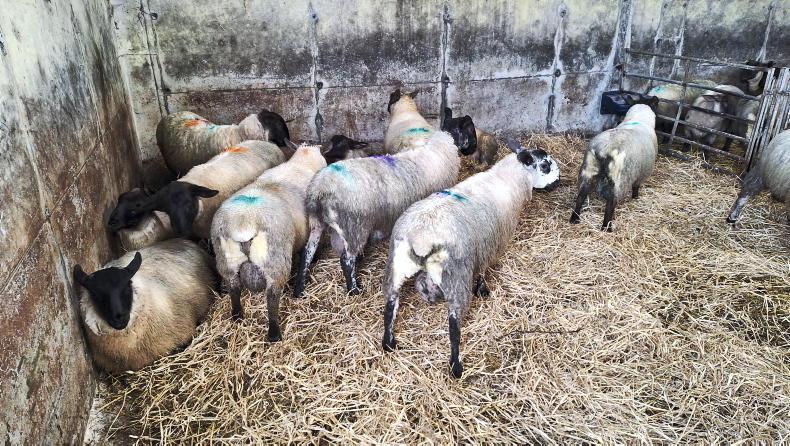
Where fleeces are soaked / soiled then there may be no option but to house lambs and carry out dagging / clipping.
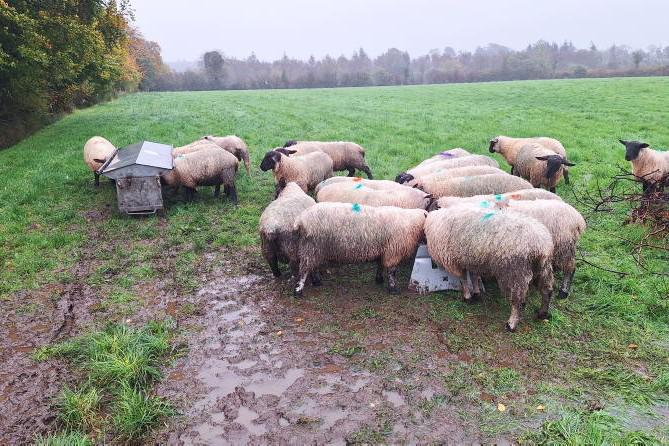
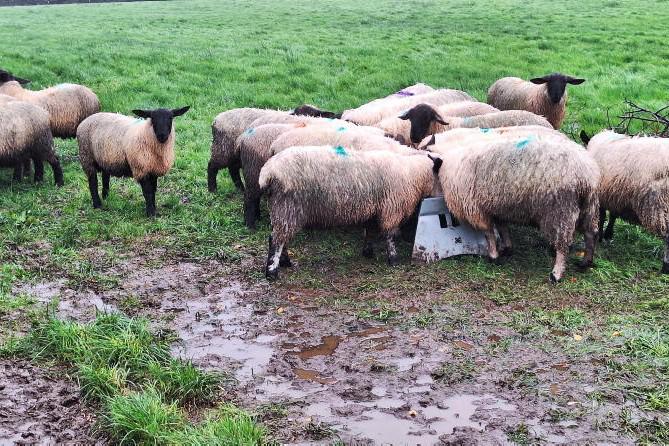
Supplementing at grass: the dry matter content of grass has reduced markedly along the western half of the country and northern regions following weeks of heavy rainfall. While store lambs developing a frame will continue to perform, albeit at a low level on grass, finishing lambs such as ram lambs will struggle to hold condition.
Supplementation is necessary for most such lambs at this stage of the year. Feeding concentrates will help not only in boosting average daily gains but also in terms of enhancing slaughter performance (kill out and grade). The pay pack in terms of cost of gain is positive and will deliver a return on investment.
An allocation of 0.5kg will help to sustain or help boost performance, but for ram lambs that have developed a frame but are short on flesh, then a higher level of supplementation over a shorter period makes more sense. Care should be taken to build up feeding levels gradually.
Liver fluke: I was at an event last week where discussions on liver fluke treatment of lambs took place. The discussions raised the fact that many farmers are using or plan to use combination products for liver fluke control due to a shorter withdrawal.
This shorter withdrawal is typically confined to products treating only mature fluke which are not the highest risk at present. Due consideration should be given to this when selecting a control programme.
Winter ready: this week’s focus is winter ready. Pages 42 and 43 discuss valuable information in terms of calculating straw requirements and steps that can be taken to reduce demand.
It is also a good opportunity to review your housing programme and to question if there are any changes that can be made to reduce workload or enhance animal performance.
CLP compliance: it is not surprising given the torrential rainfall and waterlogged soils that compliance with the clean livestock policy is cropping up. Issues are said to be minor, with many farmers now well accustomed to the requirements but there are still some producers getting caught out.
The greatest issue causing concern and risking lambs falling in to category C is where lambs are presented with a very wet and soiled fleece. Factories have a better chance of working with lambs with soiled fleeces where they are presented relatively dry but drenched fleeces provide fewer options.
If shearing to address issues pre-slaughter, then the area of the cut line which stretches from just under the animals neck right down to the tail must be shorn and not just the belly region. If dealing with crossbred or hill lambs with a long fleece, then a wider area may need to be clipped to account for long soiled wool falling across cut lines.
Capitalising on any break in weather, fasting animals before loading or housing in advance of slaughter will help majorly to reduce issues. If housing sheep, then housing relatively dry as opposed to wet will also deliver big advantages in keeping bedding drier and cutting down the time from housing to slaughter.
A suitable absorbent material such as wood shavings will also greatly help during transit to the factory. Dagging animals with dirty tailends also delivers big benefits in reducing soiling of fleeces during handling.
Where fleeces are soaked / soiled then there may be no option but to house lambs and carry out dagging / clipping.
Supplementing at grass: the dry matter content of grass has reduced markedly along the western half of the country and northern regions following weeks of heavy rainfall. While store lambs developing a frame will continue to perform, albeit at a low level on grass, finishing lambs such as ram lambs will struggle to hold condition.
Supplementation is necessary for most such lambs at this stage of the year. Feeding concentrates will help not only in boosting average daily gains but also in terms of enhancing slaughter performance (kill out and grade). The pay pack in terms of cost of gain is positive and will deliver a return on investment.
An allocation of 0.5kg will help to sustain or help boost performance, but for ram lambs that have developed a frame but are short on flesh, then a higher level of supplementation over a shorter period makes more sense. Care should be taken to build up feeding levels gradually.
Liver fluke: I was at an event last week where discussions on liver fluke treatment of lambs took place. The discussions raised the fact that many farmers are using or plan to use combination products for liver fluke control due to a shorter withdrawal.
This shorter withdrawal is typically confined to products treating only mature fluke which are not the highest risk at present. Due consideration should be given to this when selecting a control programme.
Winter ready: this week’s focus is winter ready. Pages 42 and 43 discuss valuable information in terms of calculating straw requirements and steps that can be taken to reduce demand.
It is also a good opportunity to review your housing programme and to question if there are any changes that can be made to reduce workload or enhance animal performance.






SHARING OPTIONS