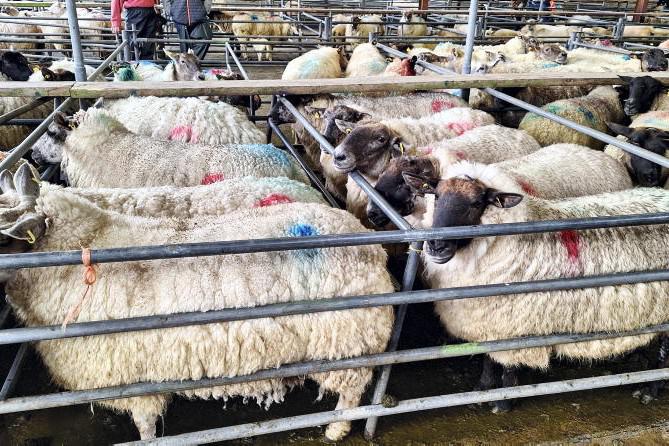
Marketing cull ewes: there seems to be more life in the live cull ewe trade since before the Christmas break, with mart managers reporting prices increasing by upwards of €10 to €15 per head.
There is no movement in base quotes in factories, with live prices moving ahead of factory returns in the main export plants.
Some agents are paying well above the quoted prices to secure deals, but sellers with small numbers on hand following scanning are in a much weaker negotiating position. Prices vary by as much as 30c/kg to 50c/kg, which equates to €10-€12 and €17-€20 on a 35kg to 40kg carcase.
There is also some variation in the carcase weight limits being imposed, with these ranging from 43kg to 46kg in the main, with some plants willing to negotiate extra weight allowances as an enticement to close deals for heavy carcase ewes.
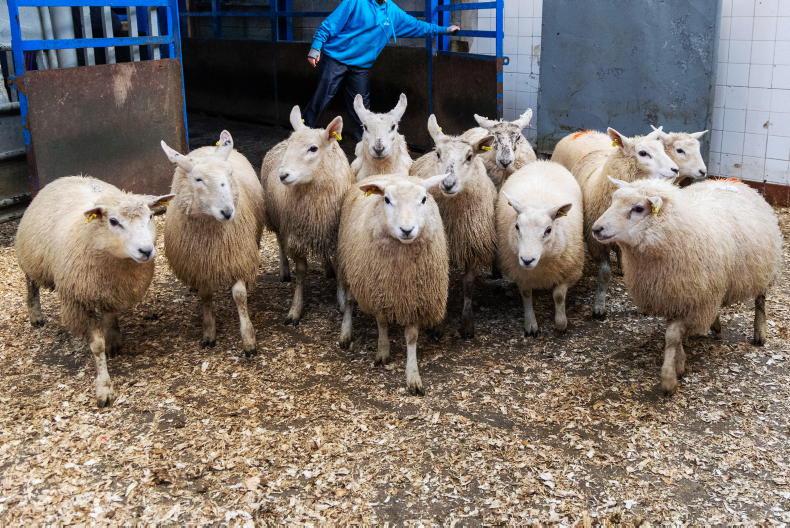
It is worth weighing up the type of ewe on hand and gauging if the live or dead trade is a better option. Prices reported in mart sales for good-quality ewes have edged upwards and range between €2.25/kg and €2.50/kg. Where sellers are trading live then it is worth batching ewes on type, weight and condition to maximise attractiveness to different buyers.
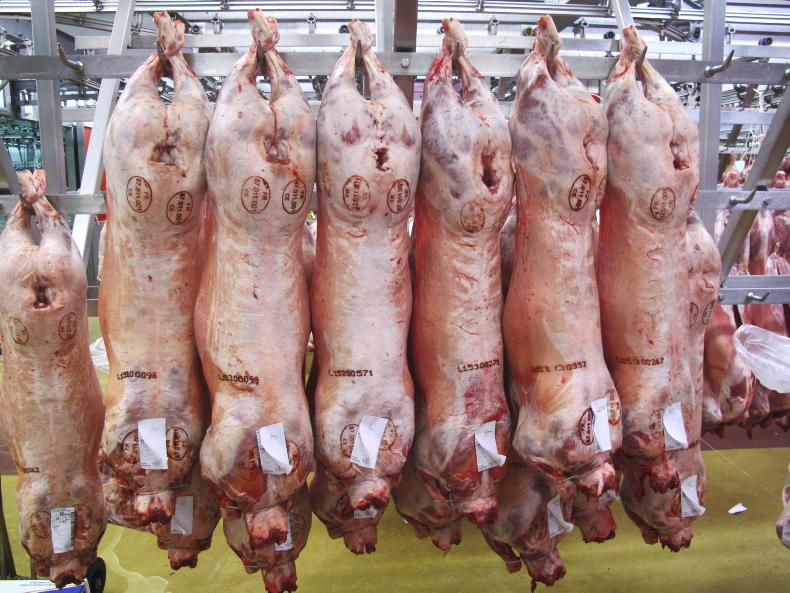
Carcase weights: some factories are reporting a sharp increase in the number of heavy carcases coming on stream. Cuts are being imposed to varying degrees on carcases exceeding 25kg to 27kg. In the southeast of the country there is a strong demand for heavier sheep in mart sales, with wholesale buyers driving the trade.
There is also variability in sales in Northern Ireland, with some buyers exporting sheep to Britain active for heavier sheep.
Where you have heavier sheep on hand it is worth assessing the most suitable market outlet, and where sending direct to the factory to confirm any potential cuts before sheep are sent. Once back on track, there is little merit in feeding sheep to heavier weights for no reward.
SIS reference number: there have been a number of requests for clarification on how the number of ewes declared in the 2025 annual sheep and goat census affects the Sheep Improvement Scheme reference number for 2026.
If the number of breeding ewes returned on the 2025 sheep census is lower than the scheme payment reference number, then the census figure will become the scheme payment reference number for 2026. This is the number of ewes which must be retained across the calendar year and which actions must be completed upon.
For example, if a farmer has a scheme payment reference number of 130 breeding ewes but only records 105 breeding ewes in the 2025 sheep census, then this figure of 105 ewes becomes the number on which payment will be based and which actions must be completed on in 2026.
If the farmer subsequently increases their number of breeding ewes in 2026 and records 135 ewes on their 2026 sheep census then the scheme payment reference number will be increased back up to the maximum figure of 130 ewes for the 2027 scheme year.
Ewe hoggets born in 2025 can be used to replace breeding ewes and contribute to the scheme payment reference number once they turn 12 months of age. Remember, timely submission of the sheep census is an eligibility requirement for participation in sheep schemes.
Marketing cull ewes: there seems to be more life in the live cull ewe trade since before the Christmas break, with mart managers reporting prices increasing by upwards of €10 to €15 per head.
There is no movement in base quotes in factories, with live prices moving ahead of factory returns in the main export plants.
Some agents are paying well above the quoted prices to secure deals, but sellers with small numbers on hand following scanning are in a much weaker negotiating position. Prices vary by as much as 30c/kg to 50c/kg, which equates to €10-€12 and €17-€20 on a 35kg to 40kg carcase.
There is also some variation in the carcase weight limits being imposed, with these ranging from 43kg to 46kg in the main, with some plants willing to negotiate extra weight allowances as an enticement to close deals for heavy carcase ewes.
It is worth weighing up the type of ewe on hand and gauging if the live or dead trade is a better option. Prices reported in mart sales for good-quality ewes have edged upwards and range between €2.25/kg and €2.50/kg. Where sellers are trading live then it is worth batching ewes on type, weight and condition to maximise attractiveness to different buyers.
Carcase weights: some factories are reporting a sharp increase in the number of heavy carcases coming on stream. Cuts are being imposed to varying degrees on carcases exceeding 25kg to 27kg. In the southeast of the country there is a strong demand for heavier sheep in mart sales, with wholesale buyers driving the trade.
There is also variability in sales in Northern Ireland, with some buyers exporting sheep to Britain active for heavier sheep.
Where you have heavier sheep on hand it is worth assessing the most suitable market outlet, and where sending direct to the factory to confirm any potential cuts before sheep are sent. Once back on track, there is little merit in feeding sheep to heavier weights for no reward.
SIS reference number: there have been a number of requests for clarification on how the number of ewes declared in the 2025 annual sheep and goat census affects the Sheep Improvement Scheme reference number for 2026.
If the number of breeding ewes returned on the 2025 sheep census is lower than the scheme payment reference number, then the census figure will become the scheme payment reference number for 2026. This is the number of ewes which must be retained across the calendar year and which actions must be completed upon.
For example, if a farmer has a scheme payment reference number of 130 breeding ewes but only records 105 breeding ewes in the 2025 sheep census, then this figure of 105 ewes becomes the number on which payment will be based and which actions must be completed on in 2026.
If the farmer subsequently increases their number of breeding ewes in 2026 and records 135 ewes on their 2026 sheep census then the scheme payment reference number will be increased back up to the maximum figure of 130 ewes for the 2027 scheme year.
Ewe hoggets born in 2025 can be used to replace breeding ewes and contribute to the scheme payment reference number once they turn 12 months of age. Remember, timely submission of the sheep census is an eligibility requirement for participation in sheep schemes.






SHARING OPTIONS