Brian Molloy’s ability to deliver, has seen him create a couple of firsts. The Longford native’s day-job is as head of transformation for the Defence Forces, which makes him the first civilian to report directly to the chief of staff. Then, in his spare time, he is president of the Camogie Association – the first man to hold the role.
It is of course a time of transformation for the Gaelic codes, with integration of the GAA, Camogie Association and Ladies’ Gaelic Football Association on the horizon, but Brian makes the case that, when it does happen, it will be a gradual process.
“I think sometimes people forget that we’ve been talking about integration for over a decade,” he says.
“We have a single Garda vetting process that was brought in ages ago, we have a standardised child welfare model and the Camogie Association shifted the commercial and licensing and all of that over to the GAA a number of years ago. We work very closely with the GAA and have been doing so for some time and, obviously, integration isn’t going to have any impact whatsoever on the game, the rules of the game, the coaching of the game, the matches that are played in Cork or in Galway or in Kildare in the morning.
“So a lot of what we do day-to-day is focused on the development of the players, the development of our referees, the development of our game, the playing of our competitions.
“None of that will be impacted by integration.”
Game development
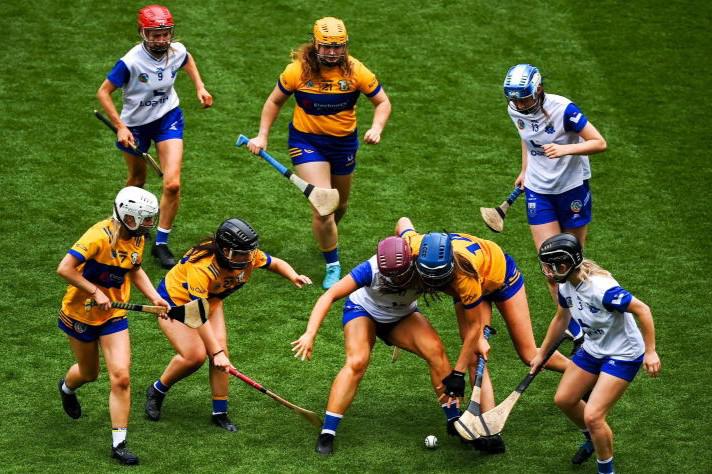
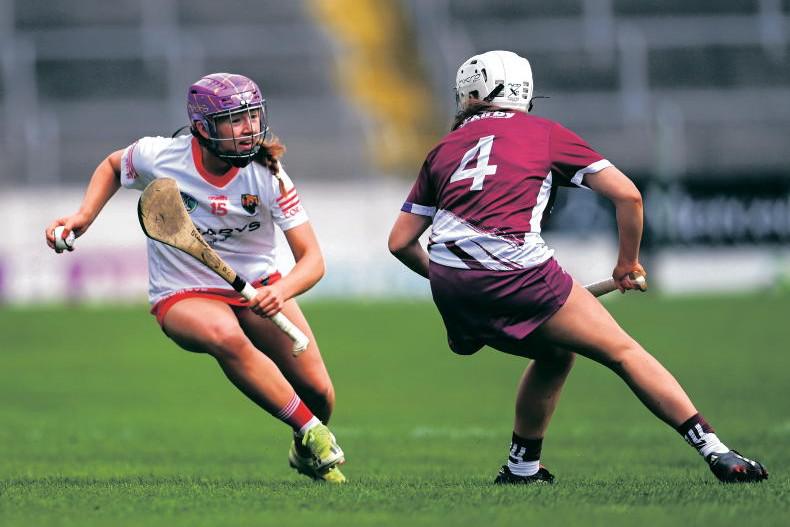
The development of the game can be looked at in two ways – having more counties contending at the top level and getting more girls playing at grassroots..
“They’re not in any way mutually exclusive,” he says, “in fact, you’d argue they’re somewhat complementary.
“The more the girls in Waterford or in Tipperary or in Roscommon or in Kildare see their county women, the better.
“Trying to get more counties involved in Croke Park on All-Ireland final days or in other All-Ireland finals, whether it be U16s or minor or U23s, all helps in terms of the follow-through impacts down into clubs that those girls are playing for.
“The more engagement we get, the more counties we get playing in Croke Park, whether it be senior or intermediate or junior – I was lucky enough to present the medals at the three different ceremonies in Galway, Offaly and Laois and those girls don’t care if it’s a junior medal or an intermediate medal. They want an All-Ireland and they’re very excited, their friends are very excited, their families are very excited. Their sisters and nieces and cousins and neighbours are all excited.
“We do have a good breadth of participation by virtue of the three different grades of competition all getting to run out in Croke Park in August. That gives us a wider reach with our game.”
It’s a reach that often intersects with that of ladies’ football, occasionally leading to fixtures-clashes where dual players have to choose between one or the other.
Being cognisant of avoiding such issues is a constant.
“If you think about it, there’s very few actual clashes which is evidenced by the fact that it’s a big deal when it happens,” Brian says.
“We do work very closely with the LGFA to have something in their fixtures calendar and vice versa. [Clashes] generally happen because one or other has moved a fixture because of television or something like that.
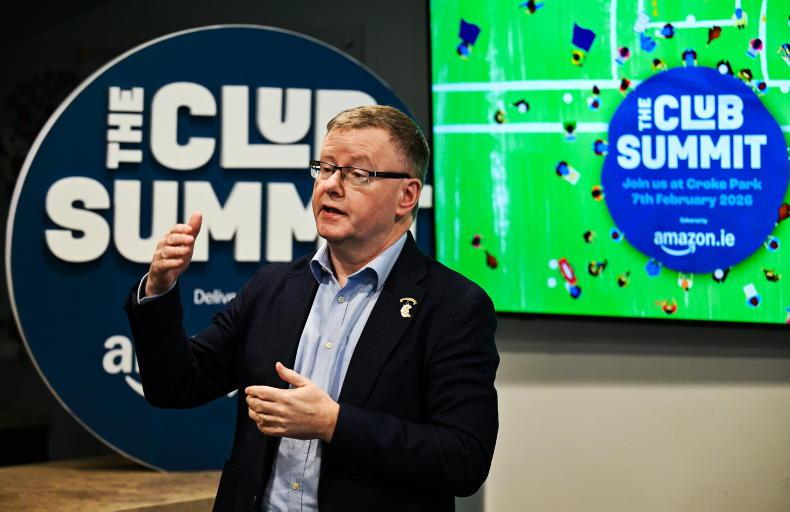
President of the Camogie Association, Brian Molloy, believes introducing basic GAA skills in schools would benefit students. \Sam Barnes/Sportsfile
“One of the things we have already set up in terms of integration is an overarching fixtures coordination committee across the associations.
“We have a good relationship at the national level and within counties and within provinces, we try to reaffirm all the time to make sure that the bodies are having conversations.
“At the end of the day, for all codes, it’s a concentrated season that we’re operating within and we all want to have as good a competition as possible. We have the various rounds and the structures that gives everybody the opportunity to showcase the game and get the opportunity to play.
“There’s only so many weekends in the year and we’re trying to get them all played around the same kind of time.
“It does make it tight but we have been fairly good at avoiding direct clashes and I think we will get better and better as we go on with that.”
And that sporting ecumenism underpins one of Brian’s biggest aims – that all of the national sports would be easily accessible.
“Obviously, it won’t happen in my time because I have one year left,” he says, “but there’s something that, the more I talk about it, the more ovations I get at various presentations when I make this point and it shouldn’t be.
“If you look at our national school curriculum, all elements of our culture are taught officially on the national school curriculum. Our language, our folklore, our poetry, our dance, our music, singing, everything – apart from our sport.
“UNESCO has recognised the unique cultural contribution that our national games provide to the Irish culture. William Maher [the GAA’s national head of hurling] has gone around and done a great job trying to develop hurling – and he’s really good at making sure that when he’s doing it, he’s also pushing camogie, that it’s gender-blind.
“For me, the vision would be, you put it onto the national school PE curriculum. I’m not talking about adding extra time – they already increased the number of hours last year – but you put it on the very basics of hurling, football, camogie, ladies’ football.
“It’s not, if you like, a lottery depending on where your school is or whether the principal or one of the teachers happens to be a GAA head. If you’re in Donegal or you’re in Kilkenny, you will equally be taught the basic skills – with nobody forced to do it either, I should add, but every boy and girl in the country has the opportunity to learn a national sport.
“What do you do with that afterwards? Completely up to yourself.”
Brian Molloy’s ability to deliver, has seen him create a couple of firsts. The Longford native’s day-job is as head of transformation for the Defence Forces, which makes him the first civilian to report directly to the chief of staff. Then, in his spare time, he is president of the Camogie Association – the first man to hold the role.
It is of course a time of transformation for the Gaelic codes, with integration of the GAA, Camogie Association and Ladies’ Gaelic Football Association on the horizon, but Brian makes the case that, when it does happen, it will be a gradual process.
“I think sometimes people forget that we’ve been talking about integration for over a decade,” he says.
“We have a single Garda vetting process that was brought in ages ago, we have a standardised child welfare model and the Camogie Association shifted the commercial and licensing and all of that over to the GAA a number of years ago. We work very closely with the GAA and have been doing so for some time and, obviously, integration isn’t going to have any impact whatsoever on the game, the rules of the game, the coaching of the game, the matches that are played in Cork or in Galway or in Kildare in the morning.
“So a lot of what we do day-to-day is focused on the development of the players, the development of our referees, the development of our game, the playing of our competitions.
“None of that will be impacted by integration.”
Game development
The development of the game can be looked at in two ways – having more counties contending at the top level and getting more girls playing at grassroots..
“They’re not in any way mutually exclusive,” he says, “in fact, you’d argue they’re somewhat complementary.
“The more the girls in Waterford or in Tipperary or in Roscommon or in Kildare see their county women, the better.
“Trying to get more counties involved in Croke Park on All-Ireland final days or in other All-Ireland finals, whether it be U16s or minor or U23s, all helps in terms of the follow-through impacts down into clubs that those girls are playing for.
“The more engagement we get, the more counties we get playing in Croke Park, whether it be senior or intermediate or junior – I was lucky enough to present the medals at the three different ceremonies in Galway, Offaly and Laois and those girls don’t care if it’s a junior medal or an intermediate medal. They want an All-Ireland and they’re very excited, their friends are very excited, their families are very excited. Their sisters and nieces and cousins and neighbours are all excited.
“We do have a good breadth of participation by virtue of the three different grades of competition all getting to run out in Croke Park in August. That gives us a wider reach with our game.”
It’s a reach that often intersects with that of ladies’ football, occasionally leading to fixtures-clashes where dual players have to choose between one or the other.
Being cognisant of avoiding such issues is a constant.
“If you think about it, there’s very few actual clashes which is evidenced by the fact that it’s a big deal when it happens,” Brian says.
“We do work very closely with the LGFA to have something in their fixtures calendar and vice versa. [Clashes] generally happen because one or other has moved a fixture because of television or something like that.
President of the Camogie Association, Brian Molloy, believes introducing basic GAA skills in schools would benefit students. \Sam Barnes/Sportsfile
“One of the things we have already set up in terms of integration is an overarching fixtures coordination committee across the associations.
“We have a good relationship at the national level and within counties and within provinces, we try to reaffirm all the time to make sure that the bodies are having conversations.
“At the end of the day, for all codes, it’s a concentrated season that we’re operating within and we all want to have as good a competition as possible. We have the various rounds and the structures that gives everybody the opportunity to showcase the game and get the opportunity to play.
“There’s only so many weekends in the year and we’re trying to get them all played around the same kind of time.
“It does make it tight but we have been fairly good at avoiding direct clashes and I think we will get better and better as we go on with that.”
And that sporting ecumenism underpins one of Brian’s biggest aims – that all of the national sports would be easily accessible.
“Obviously, it won’t happen in my time because I have one year left,” he says, “but there’s something that, the more I talk about it, the more ovations I get at various presentations when I make this point and it shouldn’t be.
“If you look at our national school curriculum, all elements of our culture are taught officially on the national school curriculum. Our language, our folklore, our poetry, our dance, our music, singing, everything – apart from our sport.
“UNESCO has recognised the unique cultural contribution that our national games provide to the Irish culture. William Maher [the GAA’s national head of hurling] has gone around and done a great job trying to develop hurling – and he’s really good at making sure that when he’s doing it, he’s also pushing camogie, that it’s gender-blind.
“For me, the vision would be, you put it onto the national school PE curriculum. I’m not talking about adding extra time – they already increased the number of hours last year – but you put it on the very basics of hurling, football, camogie, ladies’ football.
“It’s not, if you like, a lottery depending on where your school is or whether the principal or one of the teachers happens to be a GAA head. If you’re in Donegal or you’re in Kilkenny, you will equally be taught the basic skills – with nobody forced to do it either, I should add, but every boy and girl in the country has the opportunity to learn a national sport.
“What do you do with that afterwards? Completely up to yourself.”







SHARING OPTIONS