


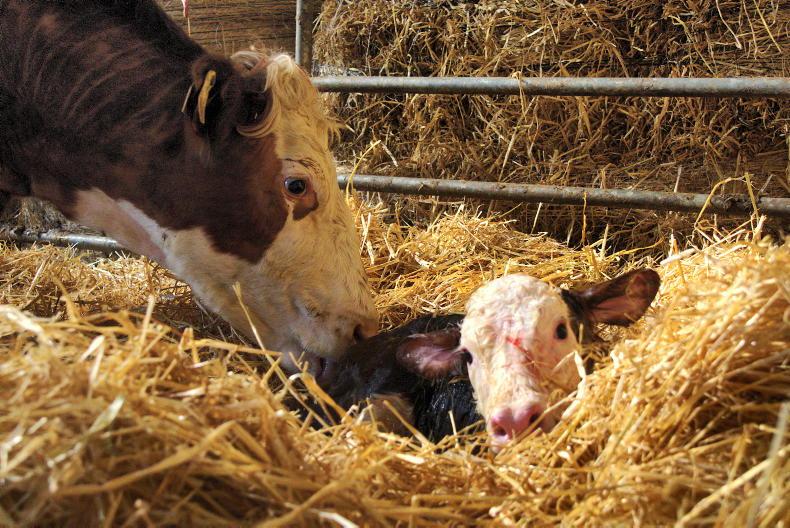
As calving season approaches, now is the ideal time for suckler farmers to get ahead by preparing the essential equipment required.
Being well organised ahead of calving not only reduces stress at a busy time but also helps prevent infections and ensures every cow and newborn calf gets the best possible start.
Personal Protective Equipment (PPE)
When calving cows, having the right PPE protects the farmer from zoonotic infections and contamination.
Essential items include long obstetrical gloves to maintain hygiene and prevent disease transfer, along with a waterproof apron or calving coat to keep clothing clean and dry.
Calving aid
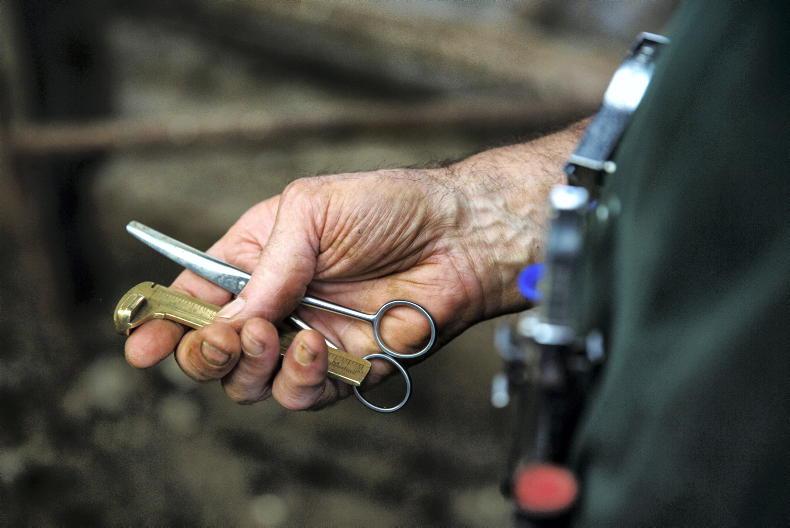
Carry out a quick check of the calving aid to ensure it isn’t slipping or seizing. All calving aids should be inspected before the season begins to confirm they’re fully functional.
Faulty calving aids, worn ropes, or damaged pulleys can slow intervention at a critical moment and increase risks for both cow and calf. Pre-season checks give time to repair or replace equipment. Always buy a new set of calving ropes ahead of spring calving and keep a spare set ready.
Calf resuscitator
A calf resuscitator is a handheld device used to clear a newborn calf’s airways and help it start breathing after a difficult birth. It works by gently suctioning mucus and fluids from the nose and mouth, then delivering controlled puffs of air to inflate the lungs if needed.
This is important because calves deprived of oxygen during a difficult calving can quickly become weak, unresponsive, or die without prompt intervention. Using a resuscitator can significantly improve survival rates by restoring normal breathing
Navel spray
Navel spray is essential for protecting newborn calves from infection. After birth, the umbilical cord is an open route for bacteria to enter the calf’s bloodstream, increasing the risk of navel ill, joint ill, and other serious infections.
Spraying the navel immediately after birth is the most effective way to dry, disinfect, and seal the cord. Ensure full coverage of the entire navel area and reapply if needed.
Brixometer
A brixometer is a handheld refractometer used to quickly assess the quality of colostrum. For suckler herds, it helps identify whether a cow’s colostrum has enough antibodies to give the newborn calf strong early immunity. A reading of 22% Brix or higher indicates good-quality colostrum suitable for feeding.
If the reading is below 22%, the colostrum is low in antibodies, so a powdered colostrum substitute should be fed. Quality products provide 100–150g IgG per feed, helping protect the calf from early infections.
Feed the substitute within the first 2 hours, with a second feed by 12 hours to ensure good passive immunity.





SHARING OPTIONS