January 2025 started full of optimism around what the year could bring for beef farmers.
The general consensus and outlook at the beginning of the year was a positive one, with tighter numbers of finishing cattle and good prospects for live exports leaving everybody with a positive outlook for the 12 months ahead.
Beef prices started off around €5.90/kg with a large gap of €1/kg between the Irish and British price.
Beef quotes started their rapid ascent in the middle of January 2025, finishing up at €6.40/kg at the end of January. The end of that month also brought some serious wind.
Storm Éowyn reached our shores on 24 January with gusts of over 100mph creating widespread damage across farms and dwellings leaving over 700,000 homes and farms without power.
Some households in the west of Ireland went without power and water for weeks as emergency services and utility companies struggled to deal with the scale of the damage.
Huge damage was also caused to commercial forests, with the industry still dealing with the increased timber on markets due to windfall.
Once storm Éowyn passed 2025 turned out to be a textbook year for many. A good spring, ideal silage-making weather in May and a decent back end meant stock stayed out longer than other years and a good grass-growing year meant cattle thrived well with end of grazing year weights ahead of 2024.

Conor Lenehan of Lenehan Agri Contractors Maugherow, Co Sligo baling silage in Moneygold, Grange in Co Sligo. \ Fiona Lenehan
TB continue d to hit the headlines in 2025 with a 44% increase in TB reactors on the previous 12 months.
A proposed plan to tackle the increased incidence was launched in 2025, with many of the new rules affecting cow sales from larger dairy herds.
Beef prices peaked out at €8.13/kg in April 2025 and after a number of months of up and down have ended 2025 on a negative note with base quotes dropping to €7.10/kg by the end of the year, still well ahead of last year but concerning for winter finishers who purchased expensive stores in 2025.
Cattle trade
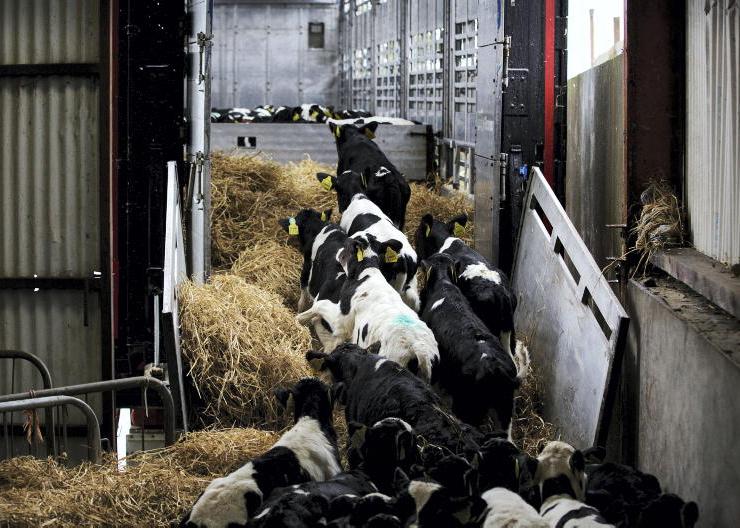
The calf trade was the talk of the town for much of spring 2025, with prices rising by the week and ending up closer to €700/head by the end of the season. Aberdeen Angus bull calves rose from an average price of €175/head in 2024 to €355/head in 2025.
The export trade for Friesian bull calves was also very active, with three-week-old Friesian bulls hitting €300-€400/head by the end of the season.
Reared calves and runners also met savage demand with prices of over €1,000/head regular paid for reared calves in marts.
The autumn weanling trade was also one to remember with some weanlings up over €1,000/head on the previous 12 months.
Top-quality weanlings regularly hit over €6/kg, with exporters and finishers driving the trade for much of the autumn. While export numbers finished down, weanling producers will look back on 2025 as one to remember in terms of prices achieved for stock.
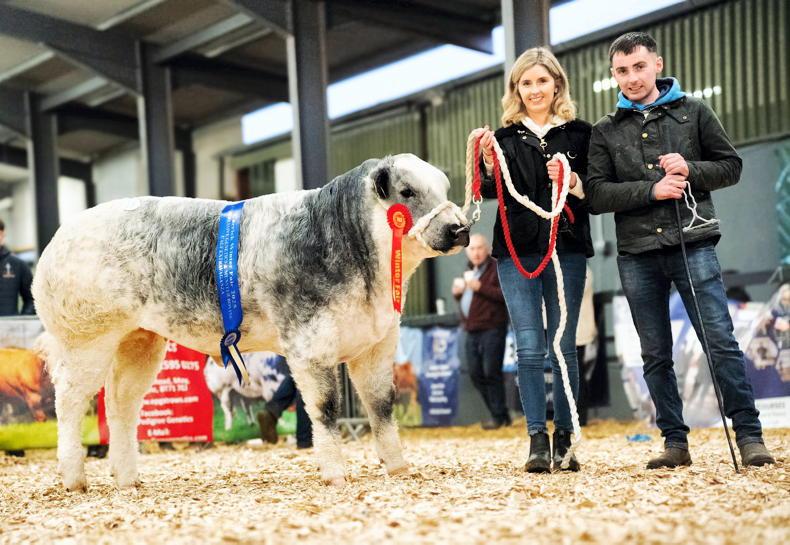
We couldn’t review the 2025 trade without a mention of the “polar bear” that stole the show at the Carrick Winter fair in November.
The Belgian Blue heifer sold for a record €33,500 for the Davis family from Williamstown in Co Galway. The 2025 sale was a massive success with 268 weanlings selling for an average price of €5,700.
Bluetongue outbreak
The news of further outbreaks of bluetongue in Northern Ireland continued to cause concern among livestock farmers, with many now pointing to an almost inevitable outbreak of bluetongue in the Republic of Ireland in 2026.
Movement restrictions of live cattle coming south for breeding continue to affect some sales. Cattle and sheep destined for direct slaughter continue move south.

Damaged shed on Eamonn McLoughney's farm at Ballythomas, Ardcroney, Co Tipperary after Storm Éowyn. \ Odhran Ducie
While there have been calls to stop cattle and sheep coming south, the bigger picture is that we could be looking for the same leeway on live exports should an outbreak occur in ROI in 2026.
Suckler cow calf registrations statistics in December showed that there have been almost 25,000 less suckler calves registered in 2025 compared to 2024.
This was despite record prices during much of 2025. Succession issues continue to dominate the sector with less young people willing to clave suckler cows.
Dairy calf births also took a dip with 30,000 less dairy calves registered in 2025. It will be interesting to see what direction numbers go in 2026 after such a good 12 months on beef farms.
Mercosur trade deal
The Irish Farmers Journal and the Irish Farmers Association undertook a trip to Brazil in October 2025 and highlighted a number of concerns around the unregulated use of antibiotics on farms in Brazil.
They also highlighted the use of banned hormones on farms in Brazil and in November the EU commission issued a recall of beef that entered the EU market which was found to have illegal hormones.
This beef recall spanned across a number of EU countries and resulted in widespread condemnation from farmers and farm organisations across Europe.
The Mercosur trade deal took centre stage in Brussels in December where over 7000 farmers took to the streets along with a contingent of over 70 Irish farmers from the IFA and ICSA.
January 2025 started full of optimism around what the year could bring for beef farmers.
The general consensus and outlook at the beginning of the year was a positive one, with tighter numbers of finishing cattle and good prospects for live exports leaving everybody with a positive outlook for the 12 months ahead.
Beef prices started off around €5.90/kg with a large gap of €1/kg between the Irish and British price.
Beef quotes started their rapid ascent in the middle of January 2025, finishing up at €6.40/kg at the end of January. The end of that month also brought some serious wind.
Storm Éowyn reached our shores on 24 January with gusts of over 100mph creating widespread damage across farms and dwellings leaving over 700,000 homes and farms without power.
Some households in the west of Ireland went without power and water for weeks as emergency services and utility companies struggled to deal with the scale of the damage.
Huge damage was also caused to commercial forests, with the industry still dealing with the increased timber on markets due to windfall.
Once storm Éowyn passed 2025 turned out to be a textbook year for many. A good spring, ideal silage-making weather in May and a decent back end meant stock stayed out longer than other years and a good grass-growing year meant cattle thrived well with end of grazing year weights ahead of 2024.
Conor Lenehan of Lenehan Agri Contractors Maugherow, Co Sligo baling silage in Moneygold, Grange in Co Sligo. \ Fiona Lenehan
TB continue d to hit the headlines in 2025 with a 44% increase in TB reactors on the previous 12 months.
A proposed plan to tackle the increased incidence was launched in 2025, with many of the new rules affecting cow sales from larger dairy herds.
Beef prices peaked out at €8.13/kg in April 2025 and after a number of months of up and down have ended 2025 on a negative note with base quotes dropping to €7.10/kg by the end of the year, still well ahead of last year but concerning for winter finishers who purchased expensive stores in 2025.
Cattle trade
The calf trade was the talk of the town for much of spring 2025, with prices rising by the week and ending up closer to €700/head by the end of the season. Aberdeen Angus bull calves rose from an average price of €175/head in 2024 to €355/head in 2025.
The export trade for Friesian bull calves was also very active, with three-week-old Friesian bulls hitting €300-€400/head by the end of the season.
Reared calves and runners also met savage demand with prices of over €1,000/head regular paid for reared calves in marts.
The autumn weanling trade was also one to remember with some weanlings up over €1,000/head on the previous 12 months.
Top-quality weanlings regularly hit over €6/kg, with exporters and finishers driving the trade for much of the autumn. While export numbers finished down, weanling producers will look back on 2025 as one to remember in terms of prices achieved for stock.
We couldn’t review the 2025 trade without a mention of the “polar bear” that stole the show at the Carrick Winter fair in November.
The Belgian Blue heifer sold for a record €33,500 for the Davis family from Williamstown in Co Galway. The 2025 sale was a massive success with 268 weanlings selling for an average price of €5,700.
Bluetongue outbreak
The news of further outbreaks of bluetongue in Northern Ireland continued to cause concern among livestock farmers, with many now pointing to an almost inevitable outbreak of bluetongue in the Republic of Ireland in 2026.
Movement restrictions of live cattle coming south for breeding continue to affect some sales. Cattle and sheep destined for direct slaughter continue move south.
Damaged shed on Eamonn McLoughney's farm at Ballythomas, Ardcroney, Co Tipperary after Storm Éowyn. \ Odhran Ducie
While there have been calls to stop cattle and sheep coming south, the bigger picture is that we could be looking for the same leeway on live exports should an outbreak occur in ROI in 2026.
Suckler cow calf registrations statistics in December showed that there have been almost 25,000 less suckler calves registered in 2025 compared to 2024.
This was despite record prices during much of 2025. Succession issues continue to dominate the sector with less young people willing to clave suckler cows.
Dairy calf births also took a dip with 30,000 less dairy calves registered in 2025. It will be interesting to see what direction numbers go in 2026 after such a good 12 months on beef farms.
Mercosur trade deal
The Irish Farmers Journal and the Irish Farmers Association undertook a trip to Brazil in October 2025 and highlighted a number of concerns around the unregulated use of antibiotics on farms in Brazil.
They also highlighted the use of banned hormones on farms in Brazil and in November the EU commission issued a recall of beef that entered the EU market which was found to have illegal hormones.
This beef recall spanned across a number of EU countries and resulted in widespread condemnation from farmers and farm organisations across Europe.
The Mercosur trade deal took centre stage in Brussels in December where over 7000 farmers took to the streets along with a contingent of over 70 Irish farmers from the IFA and ICSA.






SHARING OPTIONS