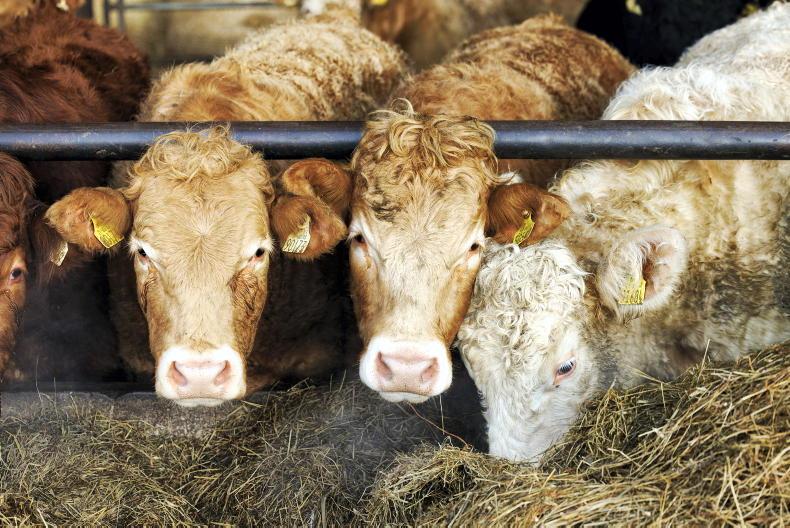
Farmers will be permitted to vaccinate cattle and sheep against the bluetongue serotype three virus (BTV-3) in the new year, Minister for Agriculture Martin Heydon announced on Wednesday, as he warned that the risk outlook has worsened over recent weeks.
Vaccinating against BTV-3 on the continent and in Britain has been found to reduce the severity of symptoms, but not safeguard against infection or transmission.
Those planning on vaccinating against the virus must apply to the Department of Agriculture for a license before obtaining and administering the vaccines, details of which will be made available over the coming days.
The Department has said that the pricing and supply of bluetongue vaccines is a “commercial matter”, in which it plays “no role in setting or controlling prices”.
There are currently three bluetongue vaccines approved for use in the EU and which have been widely used in countries that have had the virus.
Minister Heydon’s green light for the vaccines' use in Irish flocks and herds follows the detection of four outbreaks of bluetongue in Northern Ireland since late November.
Objective
“My objective has always been clear: to detect any incursion of BTV-3 as early as possible, to respond as effectively as possible and to reduce any disease impact on Irish cattle and sheep - and thus the consequences for Irish farmers - as far as possible,” the Minister commented.
“We now know that BTV-3 is present on the island, following the four outbreaks detected in Co Down, Northern Ireland.
“This changes the risk picture and, unfortunately, makes it much more likely that the disease will spread during the high-risk season in summer 2026.”
Minister Heydon reiterated that the main way this virus spreads is via midges and that “we know that right now, it is too cold for this to happen in Ireland”.
“The high-risk period will be summer 2026 and farmers can consider whether to use BTV-3 vaccines in spring 2026 to protect their stock in advance of any midge-borne virus spread in the warmer months.”
Cattle and sheep farmers interested in vaccinating against bluetongue have been urged to discuss the option with their vet.
Read more
Bluetongue restrictions on NI mart to be relaxed
Department ramps up bluetongue testing of cattle and sheep
DAERA in cautious approach to BTV-3
Two suspected cases of bluetongue on fourth NI farm
Farmers will be permitted to vaccinate cattle and sheep against the bluetongue serotype three virus (BTV-3) in the new year, Minister for Agriculture Martin Heydon announced on Wednesday, as he warned that the risk outlook has worsened over recent weeks.
Vaccinating against BTV-3 on the continent and in Britain has been found to reduce the severity of symptoms, but not safeguard against infection or transmission.
Those planning on vaccinating against the virus must apply to the Department of Agriculture for a license before obtaining and administering the vaccines, details of which will be made available over the coming days.
The Department has said that the pricing and supply of bluetongue vaccines is a “commercial matter”, in which it plays “no role in setting or controlling prices”.
There are currently three bluetongue vaccines approved for use in the EU and which have been widely used in countries that have had the virus.
Minister Heydon’s green light for the vaccines' use in Irish flocks and herds follows the detection of four outbreaks of bluetongue in Northern Ireland since late November.
Objective
“My objective has always been clear: to detect any incursion of BTV-3 as early as possible, to respond as effectively as possible and to reduce any disease impact on Irish cattle and sheep - and thus the consequences for Irish farmers - as far as possible,” the Minister commented.
“We now know that BTV-3 is present on the island, following the four outbreaks detected in Co Down, Northern Ireland.
“This changes the risk picture and, unfortunately, makes it much more likely that the disease will spread during the high-risk season in summer 2026.”
Minister Heydon reiterated that the main way this virus spreads is via midges and that “we know that right now, it is too cold for this to happen in Ireland”.
“The high-risk period will be summer 2026 and farmers can consider whether to use BTV-3 vaccines in spring 2026 to protect their stock in advance of any midge-borne virus spread in the warmer months.”
Cattle and sheep farmers interested in vaccinating against bluetongue have been urged to discuss the option with their vet.
Read more
Bluetongue restrictions on NI mart to be relaxed
Department ramps up bluetongue testing of cattle and sheep
DAERA in cautious approach to BTV-3
Two suspected cases of bluetongue on fourth NI farm






SHARING OPTIONS