At the Grassland Walk on Michael Dorans Farm in Wexford
ADVERTISEMENT
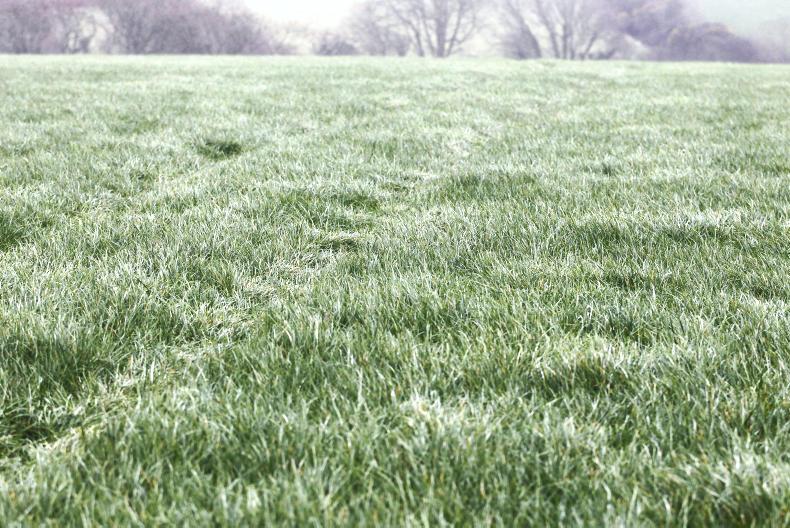
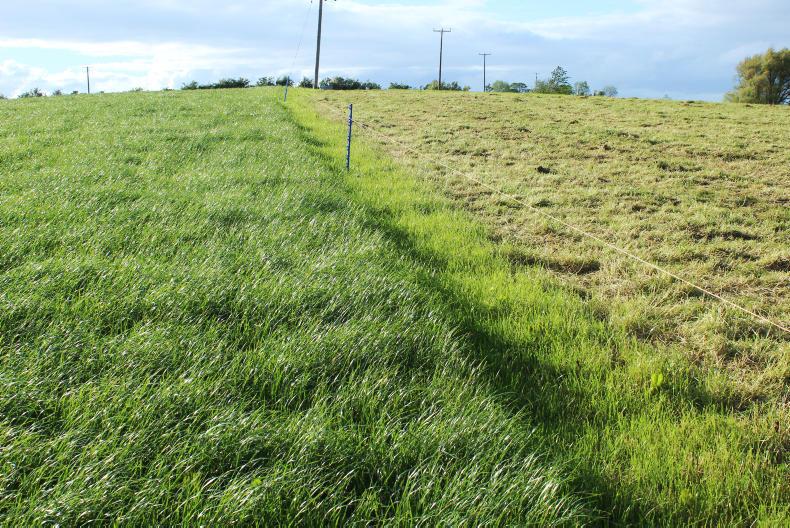
This is a massive boost, adding many extra tonnes of feed to farms at a time when feed is scarce. Thinking back to this time last year, a lot of the extra grass that was on farms wasn’t fully utilised. Some of the higher covers deteriorated badly in February, as heavy rain and a lack of nitrogen caused considerable die-back and loss. While we can’t predict the rain in February, we can control when we spread nitrogen and when we graze.
Grazing in spring is a thorny issue for some farmers who are on heavier land in disadvantaged areas. It is definitely more of a challenge. But from driving around the country and talking to farmers, the bigger challenge is usually mindset. The cows will adapt and the farm will recover from any damage that is done, but the farmer must be willing to let the cows out and make the most of grass when conditions allow.
Most farmers in the southern half of the country will be looking to let freshly calved cows out next week. Do a grass cover to know where you stand, and do up a spring rotation planner and stick to it. Remember the targets: graze 33% in February, 66% by 17 March and the rest by early April. Don’t let cover drop below 500kg/ha.
This content is available to digital subscribers and loyalty code users only. Sign in to your account, use the code or subscribe to get unlimited access.
The reader loyalty code gives you full access to the site from when you enter it until the following Wednesday at 9pm. Find your unique code on the back page of Irish Country Living every week.
CODE ACCEPTED
You have full access to the site until next Wednesday at 9pm.
CODE NOT VALID
Please try again or contact support.
This is a massive boost, adding many extra tonnes of feed to farms at a time when feed is scarce. Thinking back to this time last year, a lot of the extra grass that was on farms wasn’t fully utilised. Some of the higher covers deteriorated badly in February, as heavy rain and a lack of nitrogen caused considerable die-back and loss. While we can’t predict the rain in February, we can control when we spread nitrogen and when we graze.
Grazing in spring is a thorny issue for some farmers who are on heavier land in disadvantaged areas. It is definitely more of a challenge. But from driving around the country and talking to farmers, the bigger challenge is usually mindset. The cows will adapt and the farm will recover from any damage that is done, but the farmer must be willing to let the cows out and make the most of grass when conditions allow.
Most farmers in the southern half of the country will be looking to let freshly calved cows out next week. Do a grass cover to know where you stand, and do up a spring rotation planner and stick to it. Remember the targets: graze 33% in February, 66% by 17 March and the rest by early April. Don’t let cover drop below 500kg/ha.
If you would like to speak to a member of our team, please call us on 01-4199525.
Link sent to your email address
We have sent an email to your address. Please click on the link in this email to reset your password. If you can't find it in your inbox, please check your spam folder. If you can't find the email, please call us on 01-4199525.
ENTER YOUR LOYALTY CODE:
The reader loyalty code gives you full access to the site from when you enter it until the following Wednesday at 9pm. Find your unique code on the back page of Irish Country Living every week.






SHARING OPTIONS