


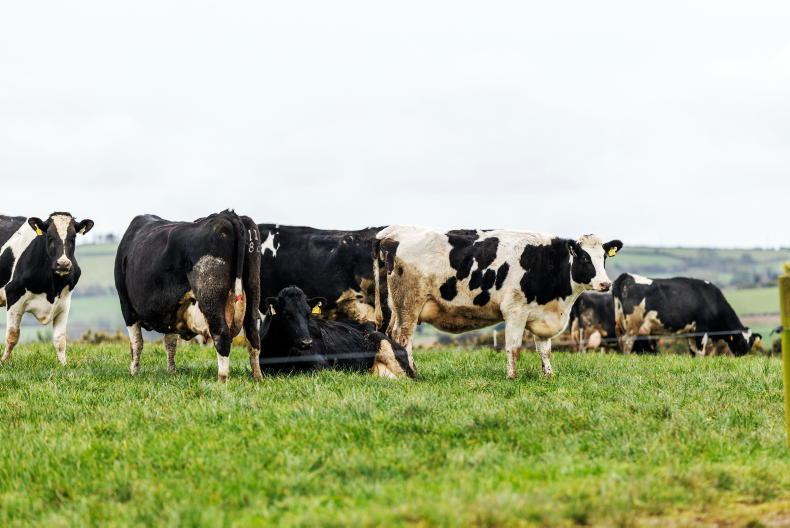
Grazing: the big improvement in the weather has come at just the right time, but it means farmers have to play catch-up on key jobs.
It’s important to note though that while light, free-draining soils are seeing an almost instant improvement in trafficability, heavier soils will take a lot longer to dry out, but at least the process has begun. In terms of priorities, getting as much grass into cows now as possible is key.
For those who have little or no grazing done up to now, split the farm up into thirds and aim to get one third grazed by 17 March, two thirds grazed by 1 April and the final third grazed by sometime in early April.
Don’t worry about the last third for now, instead focus on getting the first third grazed. Farmers who have been able to get out to grass already have close to one third grazed, so they are on track to start the second round at the end of March or the first days of April.
Anyone in this position must be doing grass walks every week and using the budget to make decisions.
These decisions are like feathering the brakes on a bike – slowing down the round by putting in extra feed, or speeding up by taking out feed. The Teagasc research is clear, try and avoid feeding silage after 17 March as this has long-term impacts on performance. The problem for those with little grazed today is that a grass shortage in late March and early April is more likely.
Slurry: farmers need to be careful about where they put slurry. Even though this is the first real chance to get slurry spread since the closed period ended, it’s much later than normal.
Avoid spreading slurry on all the fields with low covers because this could prevent them from being grazed in the next few weeks. On farms that need to catch up on grazing, it’s the fields with the low covers that need to be targeted first for grazing.
Putting slurry on fields that have been grazed is fine, but that limits the area that can be spread. At this stage, if farmers can hold off spreading the bulk of slurry until the silage ground is ready to take it, it would make more sense.
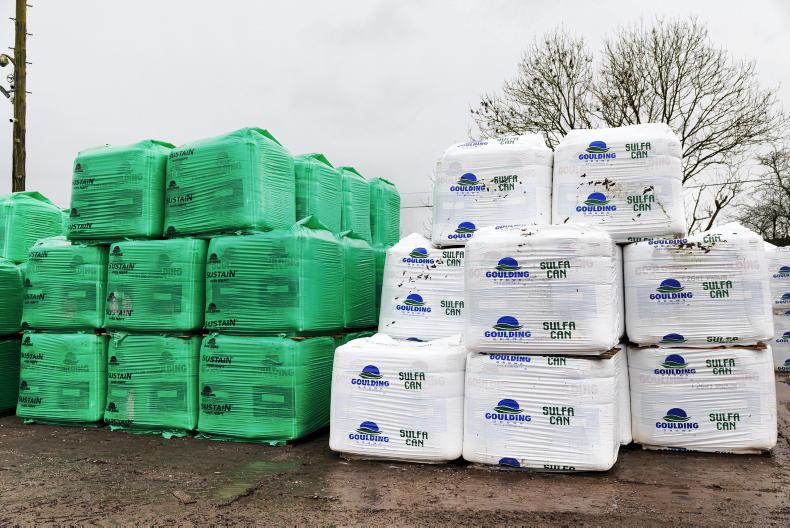
The main nutrient value in slurry is phosphorus and potash as opposed to nitrogen. The fields that have the biggest requirement for P and K are the silage ground. Some slurry will have to be spread now to relieve pressure but try and hold off emptying it all now as it will be far more valuable later, especially as fertiliser prices are looking volatile.
Calves: it seems that calf prices have eased a bit in the last week as numbers have increased, but prices are still very strong. With improved sailing conditions, we can expect exporters to be more active now also.
Looking at mart reports, there is a clear gulf in prices between lighter calves and heavier calves, with 50kg liveweight for Friesian type calves and 60kg liveweight for beef calves the cut-off point.
Calves that are below these weights seem to be heavily discounted as they are too light for shipping. Dairy farmers selling calves should be looking at weight as much as age when it comes to drafting calves for sale.



SHARING OPTIONS