


With high pressure over the country for all of this week and beyond, it looks like the weather has finally improved.
Many parts of the country have received almost twice the normal levels of rainfall since the start of the year, highlighting just how difficult the weather has been.
So now that the weather has improved, what are the key tasks that farmers should be doing this week?
The first thing to say is that given how wet land is currently, it will take time for land to dry out before field work can commence in many locations.
Obviously, free draining land will dry out faster than heavy land, so the amount of time taken for land to dry out properly will vary.
The first priority must be to get all stock out grazing again. It’s been a stop/start spring for grazing and it’s hard to believe that we’re approaching the end of April before things are finally beginning to settle down.
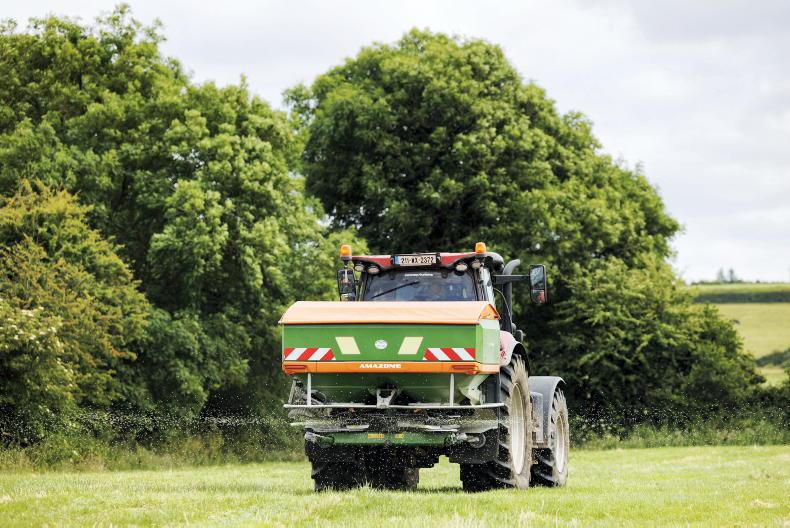
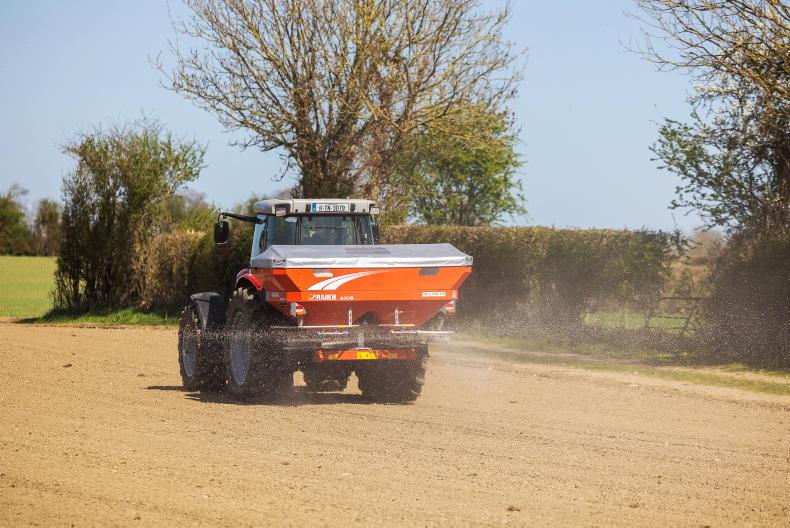
Second priority is to get fertiliser out on silage ground. The good news is that unlike late springs in the recent past, grass growth has been good this spring so there is grass available.
Contrasting that with spring 2024 when the weather only improved at this time of year, but grass growth and farm cover was very low.
The general advice is to apply 80 units/acre of nitrogen on to silage ground, with two units/acre/day used up in good growing conditions.
Therefore, if 80 units is applied on say 24 April, that silage should not be harvested until 40 days’ time which is 3 June.
So if targeting an earlier cut than that, then less nitrogen should be applied.
On phosphorus and potash, most farmers will have slurry applied by now but because land was so wet, that hasn’t happened and now there is possibly too much grass on this area for slurry.
Where soil fertility is on target, then these nutrients can be applied after the silage is cut which is probably the best outcome this year.
However, where soil fertility is low, the option may be present to spread chemical P and K now, at the same time as nitrogen.
However, there are two big obstacles to this – cost and allowance. The cost of the likes of 0:7:30 has increased since the war in Iran.
The second big issue is that many farmers don’t have any allowance for chemical phosphorus so might have no choice but to go with nitrogen now and slurry afterwards.
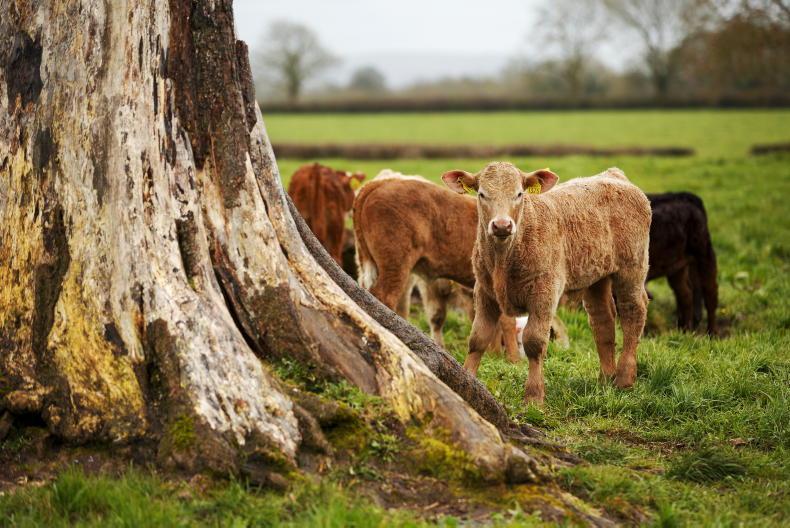
Another important task for this week is to get weaned calves out to grass. With all of the wet weather, many farmers have been reluctant to let calves out but with settled weather here now the best place for these calves is outside.



SHARING OPTIONS