It was another fairly steady week on the dairy markets front, with further gains for skim milk powder (SMP) and butter, while cheese and whole milk powder (WMP) went back a bit in price.
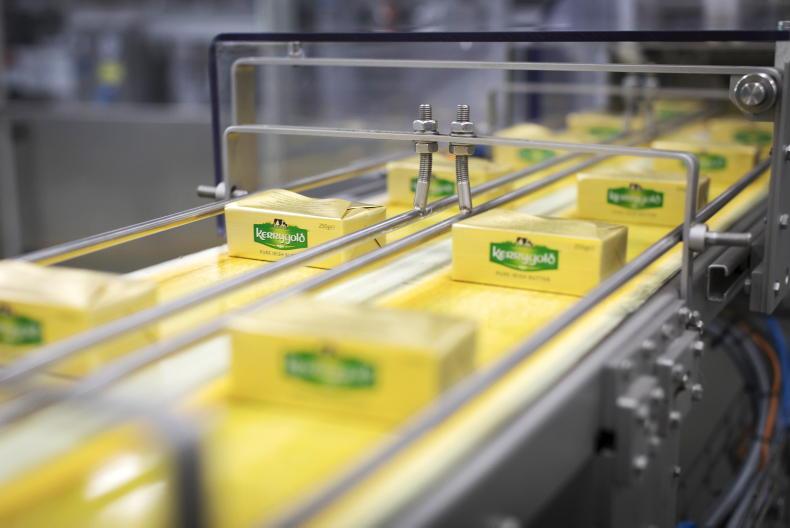
Butter is now trading at €4,125/t, which is up €30 or so from last week’s price.
SMP went up further, increasing in price by €85/t to reach €2,450/t, which is back now to where it was for all of 2023, 2024 and the first half of 2025.
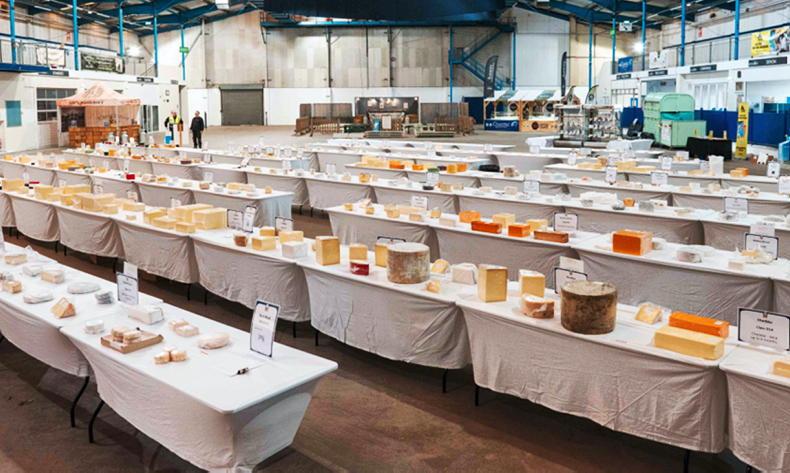
The change in the price of WMP – down €55/t – was more significant than the drop in the price of cheese, which fell by just €10/t.
Whatever way you look at it, the market is bullish and buyers are obviously active for fear prices will go higher.
The market does appear to be defying the odds though, as milk supplies across Europe, the US and New Zealand continue to be strong.
I was chatting to a New Zealand farmer the other day and she said that it has been raining nearly constantly for weeks, a bit like here.
While not good for the beach, it is good for grass growth, which means that they are likely to have a good autumn.
That means fewer cows being culled and more milk being produced.
With renewed tensions in the Middle East, oil prices have gone up and they are now at their highest price in seven months. High oil prices are generally good news from an Irish dairy perspective, as it might increase the price of feed if more grain goes for energy. This puts more pressure on confinement dairy systems.
It was another fairly steady week on the dairy markets front, with further gains for skim milk powder (SMP) and butter, while cheese and whole milk powder (WMP) went back a bit in price.
Butter is now trading at €4,125/t, which is up €30 or so from last week’s price.
SMP went up further, increasing in price by €85/t to reach €2,450/t, which is back now to where it was for all of 2023, 2024 and the first half of 2025.
The change in the price of WMP – down €55/t – was more significant than the drop in the price of cheese, which fell by just €10/t.
Whatever way you look at it, the market is bullish and buyers are obviously active for fear prices will go higher.
The market does appear to be defying the odds though, as milk supplies across Europe, the US and New Zealand continue to be strong.
I was chatting to a New Zealand farmer the other day and she said that it has been raining nearly constantly for weeks, a bit like here.
While not good for the beach, it is good for grass growth, which means that they are likely to have a good autumn.
That means fewer cows being culled and more milk being produced.
With renewed tensions in the Middle East, oil prices have gone up and they are now at their highest price in seven months. High oil prices are generally good news from an Irish dairy perspective, as it might increase the price of feed if more grain goes for energy. This puts more pressure on confinement dairy systems.






SHARING OPTIONS