


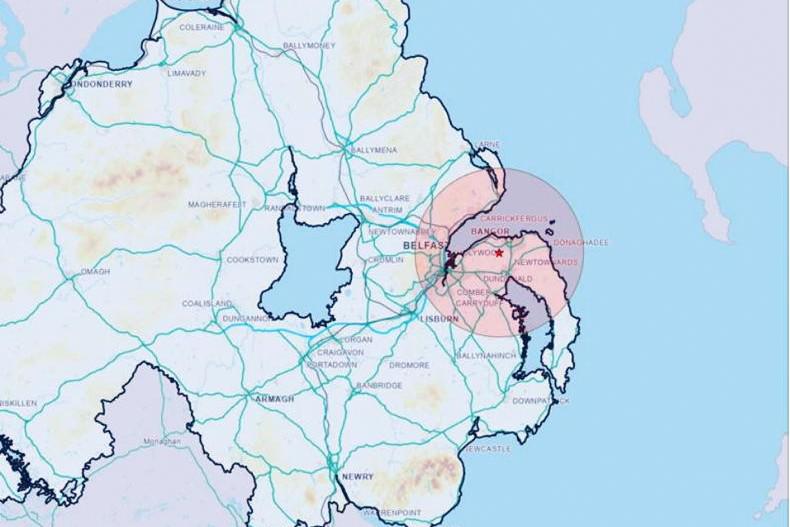
News that the Department of Agriculture in Northern Ireland have suspended live exports of cattle in the wake of the suspected bluetongue outbreak in Co Down is not surprising.
Dairy and beef farmers across Ireland will be concerned that if an outbreak of bluetongue is discovered in Ireland, then a similar measure will be implemented in the south.
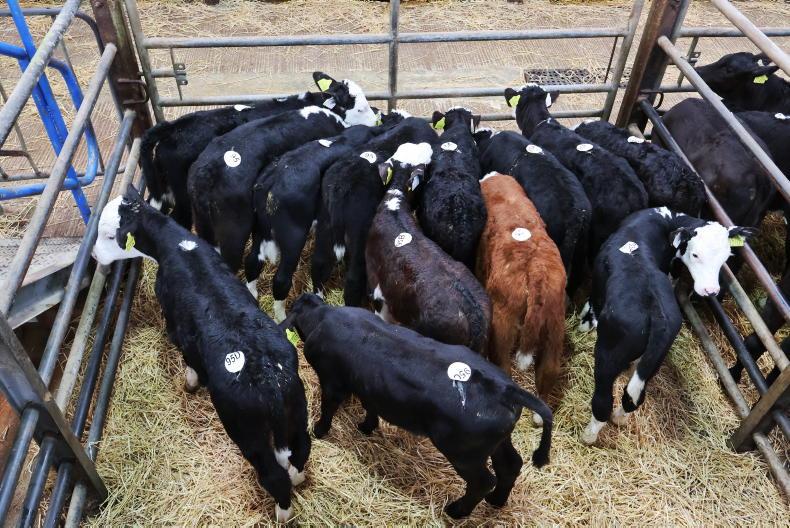
This will have far greater impact given the large number of dairy calves and suckler weanlings exported to the continent and beyond annually.
That is not to diminish the impact on trade of the live export ban in Northern Ireland, but most of that trade is between Great Britain and Ireland and live export to the south of finished animals direct to slaughter can continue, provided 48 hours-notice of movement is given.
There was almost 220,000 calves exported from Ireland so far in 2025, the majority of these go to the Netherlands and Spain.
It’s important to note that bluetongue disease is widespread in both countries. In fact, the island of Ireland is one of the last places in Europe for the disease to be identified.
In many ways, the ban on live exports from Northern Ireland is to prevent the disease from entering the south. The disease is already widespread in England and Wales.
In the unfortunate event that the disease is found in Ireland, there is no guarantee that Ireland’s live exports to European destinations will be shut down, but there is a big risk that it will be negatively affected.
While it was initially thought that live exports will automatically close in the event of an outbreak in Ireland, there seemed to be some softening in the approach to be taken in that eventuality by Irish officials over the course of the last six months or so.
A lot depends on the strain of the disease. If a new or different strain is identified then the implications will be different.
At the moment it’s hypothetical as the disease is not yet in the south and the hope is that it never will be.
It’s an evolving situation. The Irish Farmers Journal will keep readers informed of the latest developments, as they happen.




SHARING OPTIONS