Infectious Bovine Rhinotracheitis (IBR) is a viral disease that affects cattle worldwide. The disease primarily affects the upper respiratory tract of cattle.
Cause
IBR is caused by Bovine Herpes Virus 1 (BHV-1). Animals that are infected with IBR (BHV-1) become lifelong carriers of the virus, even though they may appear perfectly healthy. The virus is usually transferred between animals by direct contact nose to nose contact. The virus can also be transferred in semen and embryos, and therefore all bulls entering AI must be IBR free. IBR carriers can shed the virus (sometimes without showing clinical signs), when they are subjected to some type of stress. Such stresses include calving, inclement weather, energy deprivation (hunger) , transport, lameness, mixing stock and other diseases.
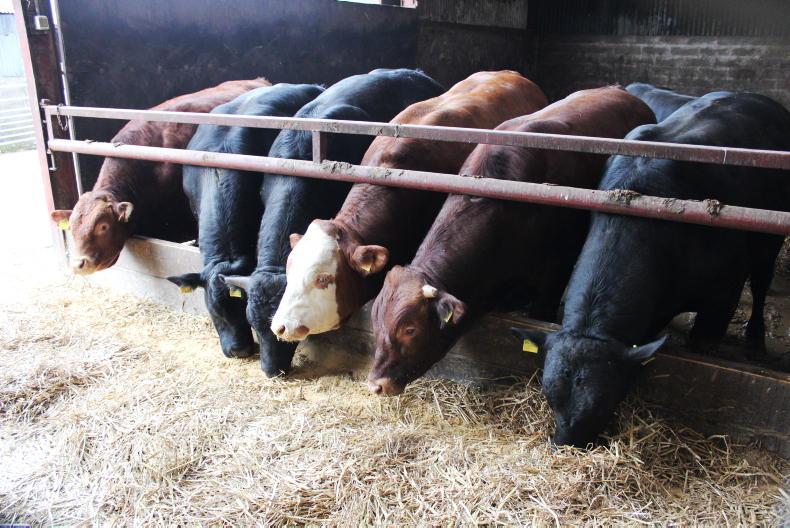
The most common source of new infection into a herd is through the purchase of infected animals. Those buying in cattle for finishing or expanding their breeding herds should be aware of it, and take precautions. However, indirect transmission of virus within or between herds can also occur through the movement or sharing of contaminated facilities, handling equipment or personnel.
Symptoms
The clinical signs of the disease are:
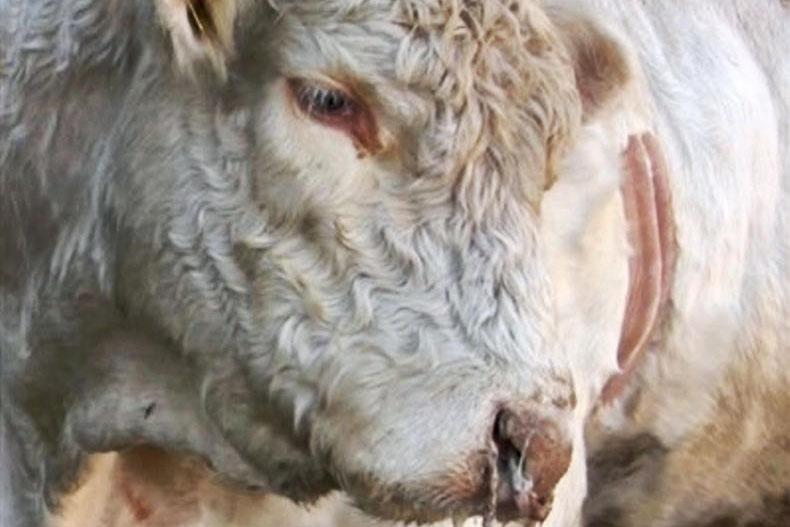
Rapid and loud breathing, sometimes with coughing.High temperatures of 40.5°C.Nasal discharge.Runny eyes.Inflammation inside the nose and the in the pink of the eye or less commonly the lining of male or female reproductive tracts. The high temperatures associated with IBR, can lead to temporary infertility and can lead to early embryonic death and abortion in pregnant cows.IBR may present as milk drop syndrome, where there is a significant reduction in milk production. It is associated with outbreaks of coughing in cows. Animals often become totally anorexic and weight loss is severe. This is a complication of respiratory diseases not unique to IBR.When disease becomes endemic in a herd, it may present as a mild fever and milk drop with or without coughing. Uneventful recovery often follows a number of days later. This syndrome can be especially costly in a dairy herd.
If infection spreads to young stock, disease can vary in severity from mild to severe. Recovered animals develop antibodies in their blood from 10 to 14 days after infection. These animals are likely to be immune for a long time, though they may shed virus intermittently.
Treatment
There is no specific treatment for IBR, although they should be treated for secondary bacterial infections which are likely to happen subsequent to IBR infection. Infected animals should be separated from the herd to prevent the disease spreading. The virus itself is quite contagious.
Prevention and control
While basic aspects of pneumonia control apply to IBR including ventilation, stocking density, avoiding mixing age groups and avoiding stressful procedures at housing time, one of the most important aspects of control is to maintain a closed herd, by not buying in any cattle.
Biosecurity
Know your herd health status and ideally, keep a closed herd. Otherwise, all incoming stock should be blood-tested to check for IBR status. Blood test on arrival, isolate for four weeks and re-blood test. Any animals which prove positive must be culled if you want to keep the herd free of IBR. Alternatively, purchase stock from a known source, certified as IBR free, but these are very few and far between in Ireland. The above may not be practical for many farms.
Bio-containment
If there is IBR in your herd, manage younger stock separately so the cycle of infection is broken; ie prevent older animals spreading the virus to younger stock. The aim is to contain the infection within the group of animals that are currently infected and prevent disease spread to younger, naïve stock.
Vaccination
In a situation where disease has entered the herd, vaccination is the only feasible option. There are both live and inactivated vaccines available. The main differences between the live and inactivated IBR vaccines are:
Live IBR vaccine is better to use in face of clinical disease so it should be used when you have a problem.Inactivated IBR vaccine is better at reducing shedding from carrier animals going forward so should be used when the problem is under control and an eradication plan is in place.Intranasal IBR vaccines should be used in the face of an outbreak and clinical disease. They should also be used in weanlings and store cattle and young calves less than three months of age.
Inactivated IBR vaccines should be used in breeding stock when IBR clinical signs are under control. They should also be used when there is a plan in place to control and eradicate IBR from herd.
It is important to note the duration of immunity that a vaccine offers to ensure boosters are administered at correct intervals. Failure to comply with the recommended dosing interval may lead to disease breakdowns in a herd with a heavy infection challenge. In a herd that is considering getting a bull into AI, it is desirable to vaccinate all animals in contact with the bull, but avoid vaccinating the bull himself.
In open herds, all purchased animals should be tested for BVD virus and held in quarantine from the rest of the herd until the result is known. Certainly, vaccination plays a very important role in the prevention of infection in open herds in particular. Ideally vaccination programmes for cows should be completed a month before the breeding season starts. However, vaccination should not occur later than two weeks pre-breeding to ensure adequate protection.
It is vital to understand, however, that vaccination without the removal of PI animals will not control BVD infection in a herd and disease will be on-going. Any delays in the removal of PIs prior to the commencement of breeding in the herd poses a risk of further PIs in that herd.
Infectious Bovine Rhinotracheitis (IBR) is a viral disease that affects cattle worldwide. The disease primarily affects the upper respiratory tract of cattle.
Cause
IBR is caused by Bovine Herpes Virus 1 (BHV-1). Animals that are infected with IBR (BHV-1) become lifelong carriers of the virus, even though they may appear perfectly healthy. The virus is usually transferred between animals by direct contact nose to nose contact. The virus can also be transferred in semen and embryos, and therefore all bulls entering AI must be IBR free. IBR carriers can shed the virus (sometimes without showing clinical signs), when they are subjected to some type of stress. Such stresses include calving, inclement weather, energy deprivation (hunger) , transport, lameness, mixing stock and other diseases.
The most common source of new infection into a herd is through the purchase of infected animals. Those buying in cattle for finishing or expanding their breeding herds should be aware of it, and take precautions. However, indirect transmission of virus within or between herds can also occur through the movement or sharing of contaminated facilities, handling equipment or personnel.
Symptoms
The clinical signs of the disease are:
Rapid and loud breathing, sometimes with coughing.High temperatures of 40.5°C.Nasal discharge.Runny eyes.Inflammation inside the nose and the in the pink of the eye or less commonly the lining of male or female reproductive tracts. The high temperatures associated with IBR, can lead to temporary infertility and can lead to early embryonic death and abortion in pregnant cows.IBR may present as milk drop syndrome, where there is a significant reduction in milk production. It is associated with outbreaks of coughing in cows. Animals often become totally anorexic and weight loss is severe. This is a complication of respiratory diseases not unique to IBR.When disease becomes endemic in a herd, it may present as a mild fever and milk drop with or without coughing. Uneventful recovery often follows a number of days later. This syndrome can be especially costly in a dairy herd.
If infection spreads to young stock, disease can vary in severity from mild to severe. Recovered animals develop antibodies in their blood from 10 to 14 days after infection. These animals are likely to be immune for a long time, though they may shed virus intermittently.
Treatment
There is no specific treatment for IBR, although they should be treated for secondary bacterial infections which are likely to happen subsequent to IBR infection. Infected animals should be separated from the herd to prevent the disease spreading. The virus itself is quite contagious.
Prevention and control
While basic aspects of pneumonia control apply to IBR including ventilation, stocking density, avoiding mixing age groups and avoiding stressful procedures at housing time, one of the most important aspects of control is to maintain a closed herd, by not buying in any cattle.
Biosecurity
Know your herd health status and ideally, keep a closed herd. Otherwise, all incoming stock should be blood-tested to check for IBR status. Blood test on arrival, isolate for four weeks and re-blood test. Any animals which prove positive must be culled if you want to keep the herd free of IBR. Alternatively, purchase stock from a known source, certified as IBR free, but these are very few and far between in Ireland. The above may not be practical for many farms.
Bio-containment
If there is IBR in your herd, manage younger stock separately so the cycle of infection is broken; ie prevent older animals spreading the virus to younger stock. The aim is to contain the infection within the group of animals that are currently infected and prevent disease spread to younger, naïve stock.
Vaccination
In a situation where disease has entered the herd, vaccination is the only feasible option. There are both live and inactivated vaccines available. The main differences between the live and inactivated IBR vaccines are:
Live IBR vaccine is better to use in face of clinical disease so it should be used when you have a problem.Inactivated IBR vaccine is better at reducing shedding from carrier animals going forward so should be used when the problem is under control and an eradication plan is in place.Intranasal IBR vaccines should be used in the face of an outbreak and clinical disease. They should also be used in weanlings and store cattle and young calves less than three months of age.
Inactivated IBR vaccines should be used in breeding stock when IBR clinical signs are under control. They should also be used when there is a plan in place to control and eradicate IBR from herd.
It is important to note the duration of immunity that a vaccine offers to ensure boosters are administered at correct intervals. Failure to comply with the recommended dosing interval may lead to disease breakdowns in a herd with a heavy infection challenge. In a herd that is considering getting a bull into AI, it is desirable to vaccinate all animals in contact with the bull, but avoid vaccinating the bull himself.
In open herds, all purchased animals should be tested for BVD virus and held in quarantine from the rest of the herd until the result is known. Certainly, vaccination plays a very important role in the prevention of infection in open herds in particular. Ideally vaccination programmes for cows should be completed a month before the breeding season starts. However, vaccination should not occur later than two weeks pre-breeding to ensure adequate protection.
It is vital to understand, however, that vaccination without the removal of PI animals will not control BVD infection in a herd and disease will be on-going. Any delays in the removal of PIs prior to the commencement of breeding in the herd poses a risk of further PIs in that herd.






SHARING OPTIONS