


Cause
Johne’s disease results from infection with the bacteria mycobacterium avium paratuberculosis. The disease primarily affects the wall of the gut causing it to thicken, which leads to difficulty in absorbing nutrients from feed. Young calves are most susceptible to this infection. Infection occurs primarily when an animal ingests faeces contaminated with bacteria which can happen from calves sucking an infected cow’s dirty udder. Infected cows can also shed the bacterium in their colostrum and milk which can lead to infection of calves fed this milk. Finally, in a limited number of cases, calves may become infected in the womb.
Symptoms
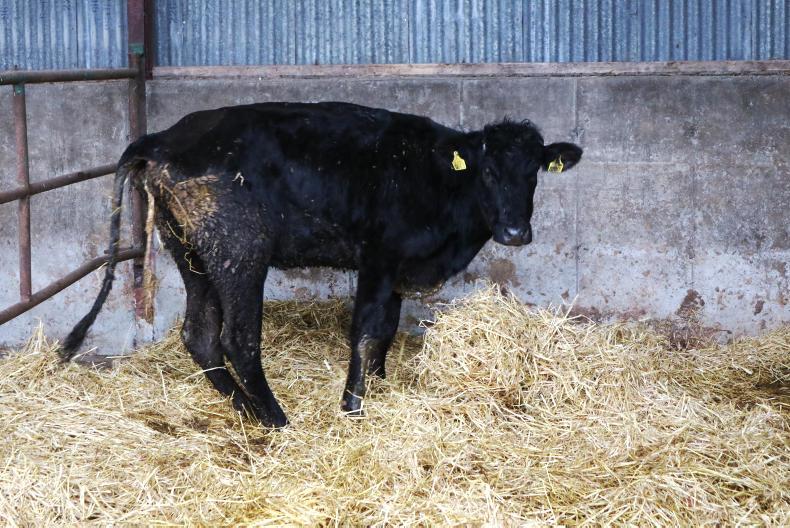
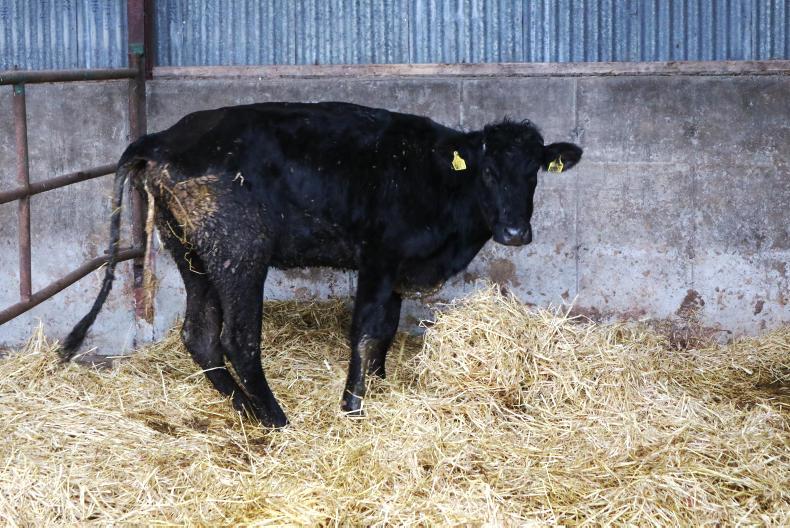
Johne’s disease can lead to weight loss, diarrhoea and eventual death. Once an animal becomes infected, the disease progresses slowly.
Clinical signs are most common in animals of three to five years of age. In the initial stages of the disease, animals appear healthy and the disease is virtually undetectable, even using diagnostic tests. As the disease progresses, clinical signs may begin to develop and there is an increased likelihood that animals will test positive. It is therefore essential to complete whole herd tests to identify ‘at-risk’ animals.
Treatment
There is no effective treatment for Johne’s disease. The disease can only be dealt with through the testing and culling of affected animals and the instigation of calf management protocols which reduce the risk of the acquisition of infection.

Prevention and control
If your herd currently tests negative for Johne’s disease, a good biosecurity and purchasing policy is essential. The most common route of entry for Johne’s on to a farm is through purchase of an apparently healthy but infected individual. If possible, avoid purchase of any livestock on to the farm by keeping a closed herd. If this is unavoidable, animals should be sourced from a ‘low-risk’ herd ie a herd with multiple negative whole herd results which has never recorded a clinical case.
Additional biosecurity practices include avoiding importation of slurry or colostrum. In herds where evidence of infection exists, control is aimed at minimising transmission to calves. Cows that test positive should be segregated within the dry cow area and calved separately from the main herd. An isolation box or sheltered paddock provides a good solution although this paddock must not subsequently be used for grazing calves.
As contact with infectious faeces is a major risk factor for transmission, hygiene is a key element in control. Firstly, dry cows should be as clean as possible when entering the calving area. Regular cleaning and re-bedding of calving pens is essential to minimise the build-up of faeces in the calving pen. Dairy calves should be removed from the calving area quickly, preferably before standing. This again minimises the risk of calves coming into contact with contaminated udders when attempting to suckle. Each calf should only receive their own dam’s colostrum, with the exception of calves from cows that have tested positive. These should be fed colostrum from a low-risk (home-born, test negative) cow. The calves should be then fed milk replacer until weaning. Colostrum or milk from a positive cow should not be used to feed any calf. Colostrum from multiple cows should never be pooled.
Also, it is important that feeding equipment is cleaned regularly. Prior to weaning, calves should be managed in group pens situated away from adult cows and their manure. When calves are going to grass, use paddocks that have not been grazed recently by adult animals or had slurry recently applied.


SHARING OPTIONS