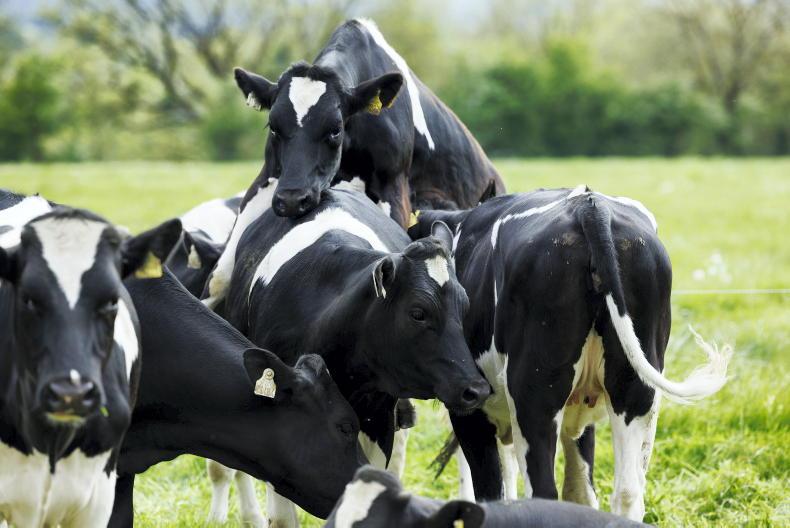
For many farmers, the effort and workload that is put into the breeding season is now a fraction of what it used to be. This is due, in large part to the benefits of technology that have revolutionised heat detection tools.
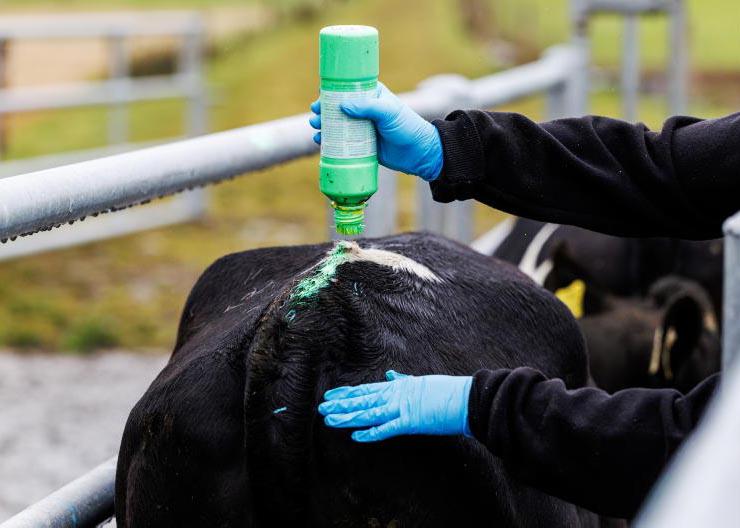
Thirty years ago, the big technology driver in heat detection was tail paint. It meant that farmers didn’t have to be looking at cows bulling five or six times per day and looking out for the signs of heat. Tail paint allowed farmers to easily identify the cows that were bulling and to this day, is as good as any of the higher tech tools available.
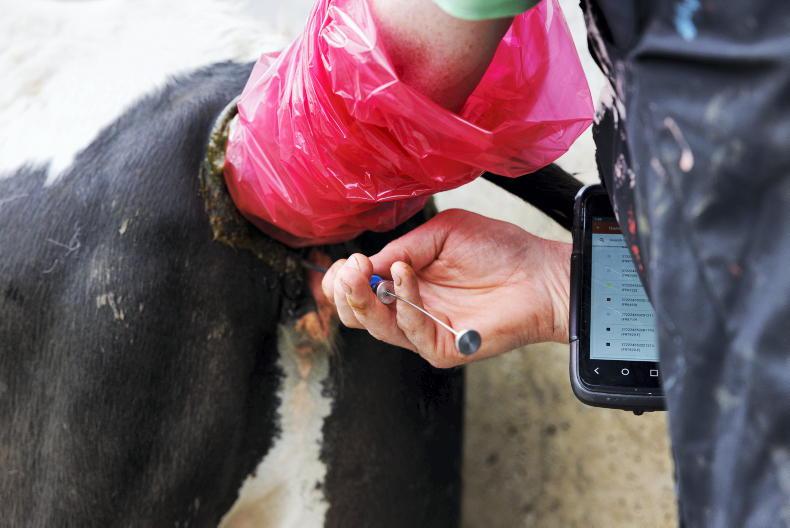
However, technology marches on and automated heat detection aids have now taken a grip on the market. The benefits are not only a reduced workload, but they also enable more use of AI, particularly in the latter half of the breeding season where bulls would have been used to mop up.
Dairy farmers with automated heat detection now have more choice of AI bull and reduced workload in terms of identifying cows in heat.
However, no system is foolproof and Daire Cregg takes a look at some of the things farmers should be doing to get the most out of technology and a price comparison of three commonly used brands.
Elsewhere, the team of researchers based at Teagasc, UL and ICBF take a look at some of the trends in sexed semen usage and fixed time AI protocols.
The key message from the researchers is that across over 90,000 heifer inseminations over three years, those that use fixed time AI to inseminate do suffer a pregnancy rate penalty, but that this is made up by having a higher submission rate.
It is important to note the huge fluctuation between herds, with reasons for this not fully explained by the analysis, although the researcher stresses the importance of making sure that heifers are cycling and that synch programmes are administered properly.
For many farmers, the effort and workload that is put into the breeding season is now a fraction of what it used to be. This is due, in large part to the benefits of technology that have revolutionised heat detection tools.
Thirty years ago, the big technology driver in heat detection was tail paint. It meant that farmers didn’t have to be looking at cows bulling five or six times per day and looking out for the signs of heat. Tail paint allowed farmers to easily identify the cows that were bulling and to this day, is as good as any of the higher tech tools available.
However, technology marches on and automated heat detection aids have now taken a grip on the market. The benefits are not only a reduced workload, but they also enable more use of AI, particularly in the latter half of the breeding season where bulls would have been used to mop up.
Dairy farmers with automated heat detection now have more choice of AI bull and reduced workload in terms of identifying cows in heat.
However, no system is foolproof and Daire Cregg takes a look at some of the things farmers should be doing to get the most out of technology and a price comparison of three commonly used brands.
Elsewhere, the team of researchers based at Teagasc, UL and ICBF take a look at some of the trends in sexed semen usage and fixed time AI protocols.
The key message from the researchers is that across over 90,000 heifer inseminations over three years, those that use fixed time AI to inseminate do suffer a pregnancy rate penalty, but that this is made up by having a higher submission rate.
It is important to note the huge fluctuation between herds, with reasons for this not fully explained by the analysis, although the researcher stresses the importance of making sure that heifers are cycling and that synch programmes are administered properly.






SHARING OPTIONS