The Sire Advice programme on ICBF Herdplus has been running for over 10 years now and it automatically matches sires to females within the herd whether they are cows or heifers. In this piece, we ask ICBF some common questions about how sire advice works.
How does the Sire Advice
programme match bulls to cows?
Sire Advice ranks every potential mating in the herd to produce the most balanced and profitable future herd. Each cow-bull mating is assessed based on:
Progeny economic breeding index (EBI).Progeny milk sub index, adjusted for the herd average.Progeny fertility sub index, adjusted for the herd average.The balance between milk and fertility sub indices.Overall udder and overall feet and legs trait indexes.In practice, the dairy bull in your team with the highest milk sub index is normally matched to the cow with the lowest milk sub index, helping to lift the weakest milk genetics in the herd.
After that, the programme works to balance fertility, aiming to produce progeny with strong, even performance across both milk and fertility sub indices.
Since 2025, Sire Advice also checks for lethal mutations (HH1 & HH3) in addition to preventing inbreeding.
This update is expected to save the dairy industry around €2.2 million annually. These checks apply to fully genotyped herds and dairy herds in the National Genotyping Programme, and the system can be updated easily as new mutations are identified.
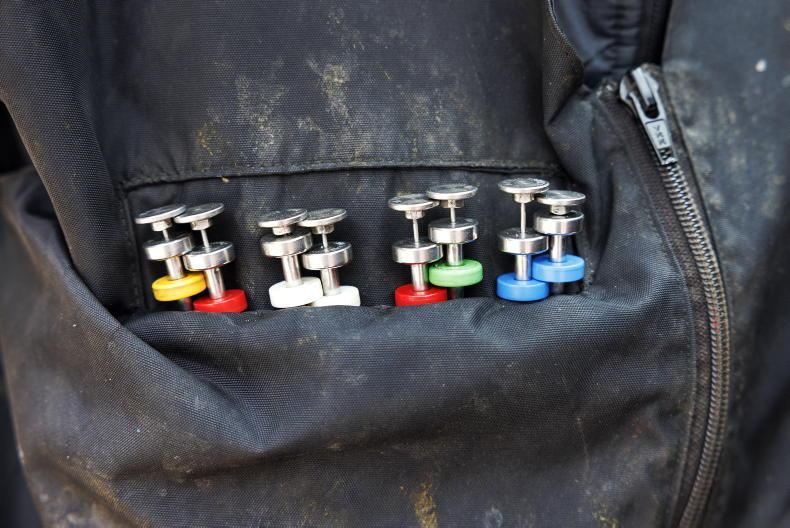
The tool is free to use for Herdplus subscribers.
What are the key metrics Sire
Advice looks at?
Sire Advice aims to:
Maximise EBI.Minimise inbreeding.Create a more balanced herd.Let’s say there are 10 cows in a herd with various different EBIs. If we use 10 AI bulls with different EBIs across those cows, will the highest EBI cow be matched with the lowest EBI bull?
Not necessarily. Sire Advice is not matching on EBI alone. For example, the bull with the highest milk sub index will be matched to the cow with the poorest milk sub index – because the programme focuses on improving the weakest traits in each cow.
The same principle applies across fertility and type traits.
Is maintenance taken into account by the programme? In other words, will a high-maintenance bull be matched with a low-maintenance cow and does this take precedence over EBI, fertility, milk, etc?
Sire Advice does not directly match cows and bulls based on maintenance sub index. However, farmers can:
Select sires with the maintenance sub index that suits the size of cows they want to breed.Use the ‘selective mating’ option to avoid extremes – eg matching very small cows to higher maintenance sires or vice versa. This allows farmers to manage cow size where necessary.If you have a herd of 100 cows and 50 are Holstein Friesian and 50 are Jersey crossbred and if you use a team of 10 bulls and five are Holstein Friesian and five are Jersey, will only Holstein Friesian bulls be matched to the Jersey crossbred cows and vice versa?
If the crossbreeding option is selected, Sire Advice will maximise heterosis and appropriate breed complementarity. If crossbreeding is not selected, Sire Advice applies the standard EBI-based criteria, regardless of breed.
Is PTA for milk kilos, fat and protein kilos or fat and protein percentages considered in the programme?
Following the base change in September, the milk sub index has become even more important.
It is the main driver of long-term profitability and the primary focus when selecting bulls.
Sire Advice aims to improve milk sub index, while managing variation in milk kilograms based on your bull team.Negative milk kg PTAs are not a risk – the national base cow already has more than enough milk volume. Selecting negative milk kg sires should not be viewed as a risk, as dairy herds naturally contain a mix of cows with both positive and negative milk kg PTA values. Prioritising milk solids over volume helps avoid moving into higher nitrates banding in future years. Based on 2025 submissions, most herds (69%) are in the middle band (4,500-6,500 kg).Farmers wishing to improve fat and protein performance can easily identify cows with stronger PTAs during female selection.New tools – such as the ‘select all’ – save function and slider filters; making it easier to focus on higher percentage sires when planning for 2026.
Sire advice
Key farmer tips
1. Dairy–beef matings
The ‘select all’ function helps identify lower-EBI cows and later-calvers suitable for dairy-beef breeding.
Farmers should enter beef sires directly into ‘Sire Advice’.
Use beef sires with:
Minimum beef sub index of €100. Low–medium calving difficulty.2. Using sexed semen
Always choose a backup bull (either dairy conventional or beef).
This ensures an automatic alternative in the event of a repeat.
The ‘Bull 1’ option remains the most balanced choice for sexed semen.
3. Contract matings
Farmers completing contract matings for AI companies can enter these through ‘selective mating’.
4. Running sire advice more than once
For herds that run Sire Advice multiple times during breeding season:
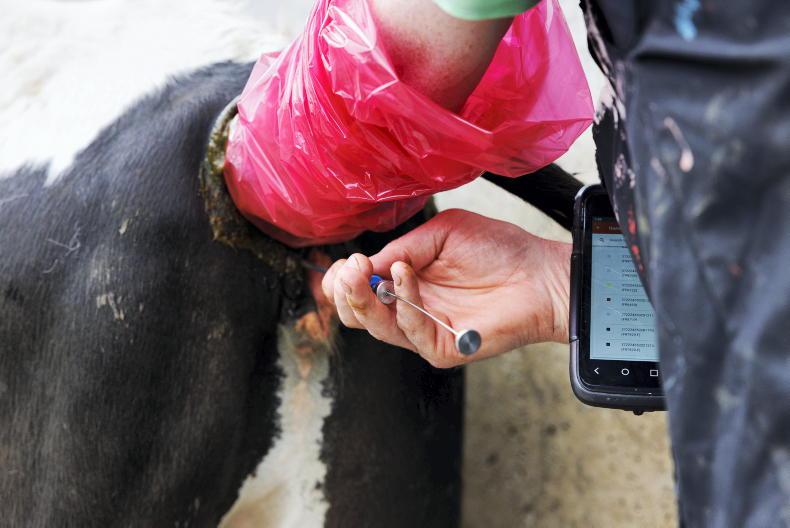
The desktop version is recommended.Female and sire selections are saved for quick updates.Updated matings are immediately sent to the AI technician’s handheld or your farm software.Particularly useful when Gene Ireland dairy bulls are allocated mid season.5. ‘Sire Advice on the HerdPlus app
Sire Advice is now available on the HerdPlus app, making it easier for more farmers to use the service.
6. Getting support
Farm advisers and AI breeding advisers can help farmers run Sire Advice.
Once matings are completed, farmers should contact their AI company early to confirm bull availability.
The Sire Advice programme on ICBF Herdplus has been running for over 10 years now and it automatically matches sires to females within the herd whether they are cows or heifers. In this piece, we ask ICBF some common questions about how sire advice works.
How does the Sire Advice
programme match bulls to cows?
Sire Advice ranks every potential mating in the herd to produce the most balanced and profitable future herd. Each cow-bull mating is assessed based on:
Progeny economic breeding index (EBI).Progeny milk sub index, adjusted for the herd average.Progeny fertility sub index, adjusted for the herd average.The balance between milk and fertility sub indices.Overall udder and overall feet and legs trait indexes.In practice, the dairy bull in your team with the highest milk sub index is normally matched to the cow with the lowest milk sub index, helping to lift the weakest milk genetics in the herd.
After that, the programme works to balance fertility, aiming to produce progeny with strong, even performance across both milk and fertility sub indices.
Since 2025, Sire Advice also checks for lethal mutations (HH1 & HH3) in addition to preventing inbreeding.
This update is expected to save the dairy industry around €2.2 million annually. These checks apply to fully genotyped herds and dairy herds in the National Genotyping Programme, and the system can be updated easily as new mutations are identified.
The tool is free to use for Herdplus subscribers.
What are the key metrics Sire
Advice looks at?
Sire Advice aims to:
Maximise EBI.Minimise inbreeding.Create a more balanced herd.Let’s say there are 10 cows in a herd with various different EBIs. If we use 10 AI bulls with different EBIs across those cows, will the highest EBI cow be matched with the lowest EBI bull?
Not necessarily. Sire Advice is not matching on EBI alone. For example, the bull with the highest milk sub index will be matched to the cow with the poorest milk sub index – because the programme focuses on improving the weakest traits in each cow.
The same principle applies across fertility and type traits.
Is maintenance taken into account by the programme? In other words, will a high-maintenance bull be matched with a low-maintenance cow and does this take precedence over EBI, fertility, milk, etc?
Sire Advice does not directly match cows and bulls based on maintenance sub index. However, farmers can:
Select sires with the maintenance sub index that suits the size of cows they want to breed.Use the ‘selective mating’ option to avoid extremes – eg matching very small cows to higher maintenance sires or vice versa. This allows farmers to manage cow size where necessary.If you have a herd of 100 cows and 50 are Holstein Friesian and 50 are Jersey crossbred and if you use a team of 10 bulls and five are Holstein Friesian and five are Jersey, will only Holstein Friesian bulls be matched to the Jersey crossbred cows and vice versa?
If the crossbreeding option is selected, Sire Advice will maximise heterosis and appropriate breed complementarity. If crossbreeding is not selected, Sire Advice applies the standard EBI-based criteria, regardless of breed.
Is PTA for milk kilos, fat and protein kilos or fat and protein percentages considered in the programme?
Following the base change in September, the milk sub index has become even more important.
It is the main driver of long-term profitability and the primary focus when selecting bulls.
Sire Advice aims to improve milk sub index, while managing variation in milk kilograms based on your bull team.Negative milk kg PTAs are not a risk – the national base cow already has more than enough milk volume. Selecting negative milk kg sires should not be viewed as a risk, as dairy herds naturally contain a mix of cows with both positive and negative milk kg PTA values. Prioritising milk solids over volume helps avoid moving into higher nitrates banding in future years. Based on 2025 submissions, most herds (69%) are in the middle band (4,500-6,500 kg).Farmers wishing to improve fat and protein performance can easily identify cows with stronger PTAs during female selection.New tools – such as the ‘select all’ – save function and slider filters; making it easier to focus on higher percentage sires when planning for 2026.
Sire advice
Key farmer tips
1. Dairy–beef matings
The ‘select all’ function helps identify lower-EBI cows and later-calvers suitable for dairy-beef breeding.
Farmers should enter beef sires directly into ‘Sire Advice’.
Use beef sires with:
Minimum beef sub index of €100. Low–medium calving difficulty.2. Using sexed semen
Always choose a backup bull (either dairy conventional or beef).
This ensures an automatic alternative in the event of a repeat.
The ‘Bull 1’ option remains the most balanced choice for sexed semen.
3. Contract matings
Farmers completing contract matings for AI companies can enter these through ‘selective mating’.
4. Running sire advice more than once
For herds that run Sire Advice multiple times during breeding season:
The desktop version is recommended.Female and sire selections are saved for quick updates.Updated matings are immediately sent to the AI technician’s handheld or your farm software.Particularly useful when Gene Ireland dairy bulls are allocated mid season.5. ‘Sire Advice on the HerdPlus app
Sire Advice is now available on the HerdPlus app, making it easier for more farmers to use the service.
6. Getting support
Farm advisers and AI breeding advisers can help farmers run Sire Advice.
Once matings are completed, farmers should contact their AI company early to confirm bull availability.






SHARING OPTIONS