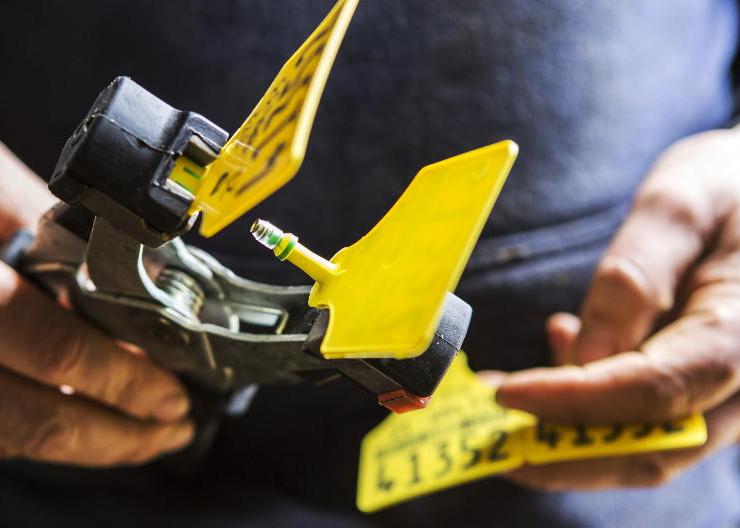
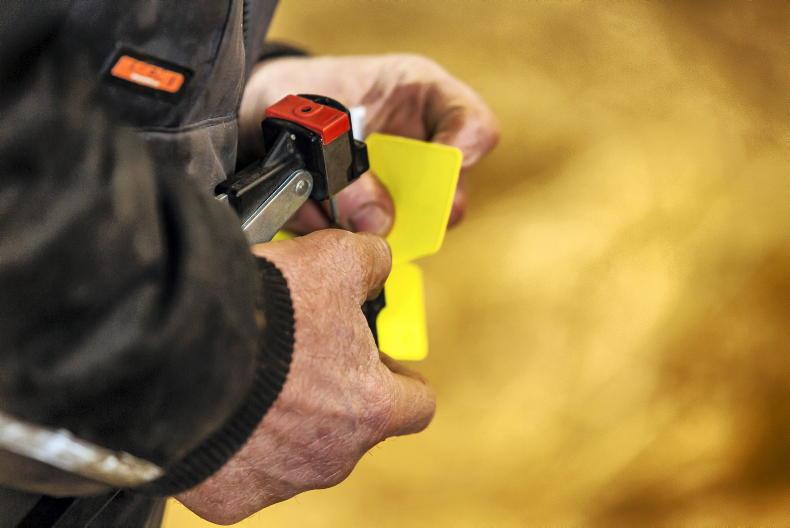
With plans to introduce EID tagging and the start of the Bovine Genetics Project from in the second half of 2026 it may be wise for farmers interested in the new initiatives to limit tag orders.
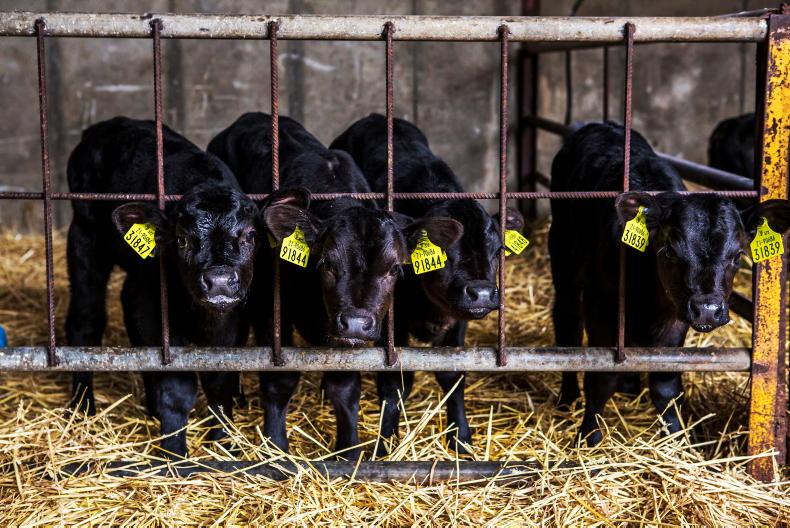
A number of changes to tagging procedures, including the introduction of electronic identification (EID) cattle tags and the start of the Bovine Genetics Project, are planned for the second half of 2026.
The revisions, when implemented, will change current tagging practices and farmers interested in the new initiatives would be wise to limit orders of new cattle tags to what is likely needed rather than having surplus tags on hand.
ADVERTISEMENT
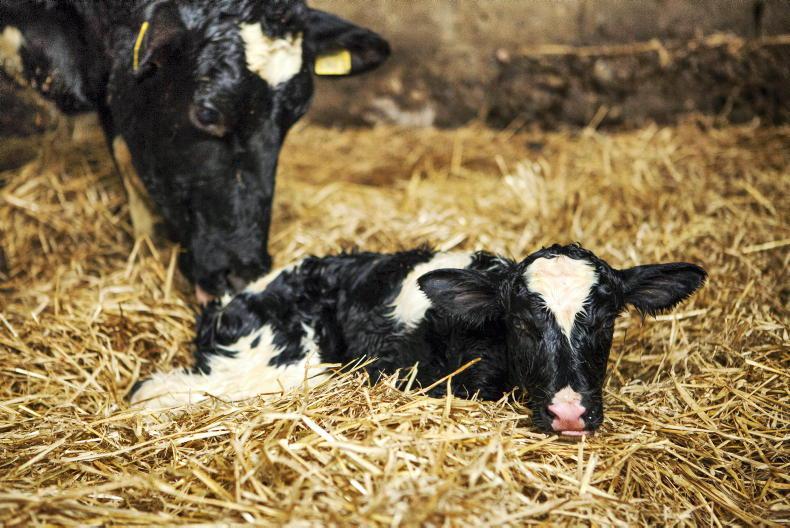
The Department of Agriculture, Environment and Rural Affairs is proposing to make bovine EID tags available for use on newborn calves from July 2026.
The use of EID tags is set to be extended beyond voluntary use with mandatory EID tagging for all newborn calves targeted from late 2027.
Another significant change is the planned introduction of the Bovine Genetics Project in September 2026. Animals entered to the project will be required to be DNA tagged.
While it is likely that supplementary tissue tags can be used with existing tags the project is likely to herald the introduction of double tissue tags (DNA and BVD).
There is no certainty around start times but farmers interested in either of these initiatives and ordering tags would be wise to be cautious in the number of tags they order.
Register for free to read this story and our free stories.
This content is available to digital subscribers and loyalty code users only. Sign in to your account, use the code or subscribe to get unlimited access.
The reader loyalty code gives you full access to the site from when you enter it until the following Wednesday at 9pm. Find your unique code on the back page of Irish Country Living every week.
CODE ACCEPTED
You have full access to the site until next Wednesday at 9pm.
CODE NOT VALID
Please try again or contact support.
A number of changes to tagging procedures, including the introduction of electronic identification (EID) cattle tags and the start of the Bovine Genetics Project, are planned for the second half of 2026.
The revisions, when implemented, will change current tagging practices and farmers interested in the new initiatives would be wise to limit orders of new cattle tags to what is likely needed rather than having surplus tags on hand.
The Department of Agriculture, Environment and Rural Affairs is proposing to make bovine EID tags available for use on newborn calves from July 2026.
The use of EID tags is set to be extended beyond voluntary use with mandatory EID tagging for all newborn calves targeted from late 2027.
Another significant change is the planned introduction of the Bovine Genetics Project in September 2026. Animals entered to the project will be required to be DNA tagged.
While it is likely that supplementary tissue tags can be used with existing tags the project is likely to herald the introduction of double tissue tags (DNA and BVD).
There is no certainty around start times but farmers interested in either of these initiatives and ordering tags would be wise to be cautious in the number of tags they order.
If you would like to speak to a member of our team, please call us on 01-4199525.
Link sent to your email address
We have sent an email to your address. Please click on the link in this email to reset your password. If you can't find it in your inbox, please check your spam folder. If you can't find the email, please call us on 01-4199525.
ENTER YOUR LOYALTY CODE:
The reader loyalty code gives you full access to the site from when you enter it until the following Wednesday at 9pm. Find your unique code on the back page of Irish Country Living every week.






SHARING OPTIONS