


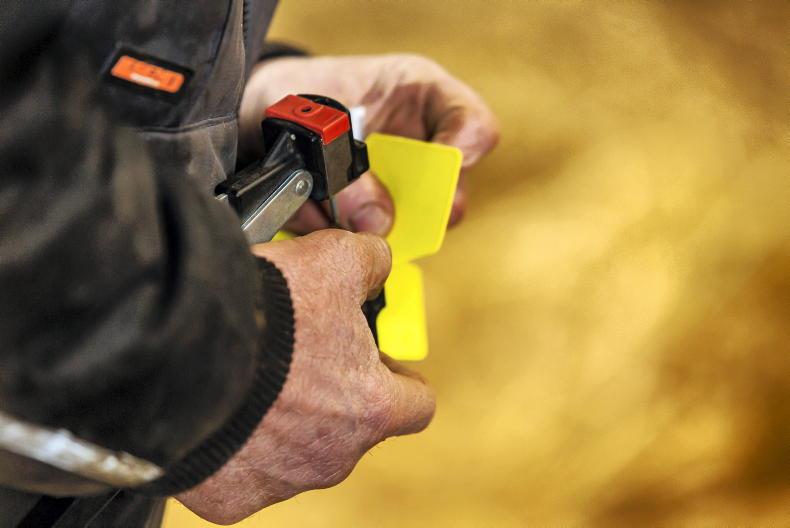
DAERA has published a plan to introduce electronic identification (EID) cattle tags on a voluntary basis next year, before they become compulsory in 2027.
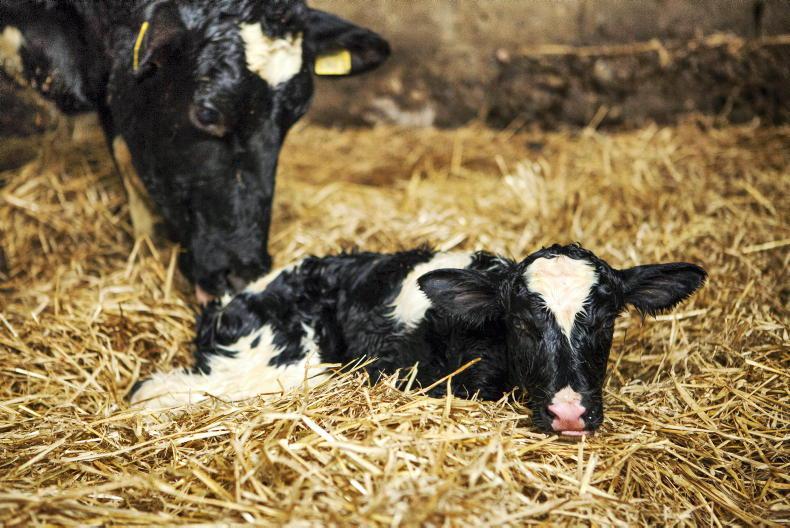
In a public consultation, DAERA has set out a proposal to make bovine EID tags available for use on newborn calves from July 2026.
After that, it is proposed that bovine EID will become mandatory for all newborn calves at some point in “late 2027”.
The timeline aims to align with the new Bovine Genetics Project where genotyping is planned to begin in September 2026.
This will require a tissue sample from ear tags, in addition to the current BVD test, so cattle tags are already set to change next year anyway.
Opportune time
Agriculture Minister Andrew Muir said it is “an opportune time” to introduce bovine EID through a phased roll out in 2026 and 2027.
“This will allow herd keepers more time to prepare, while at the same time minimising disruption through alignment with timescales planned under the Bovine Genetics Project,” he said.
Continued on page 4
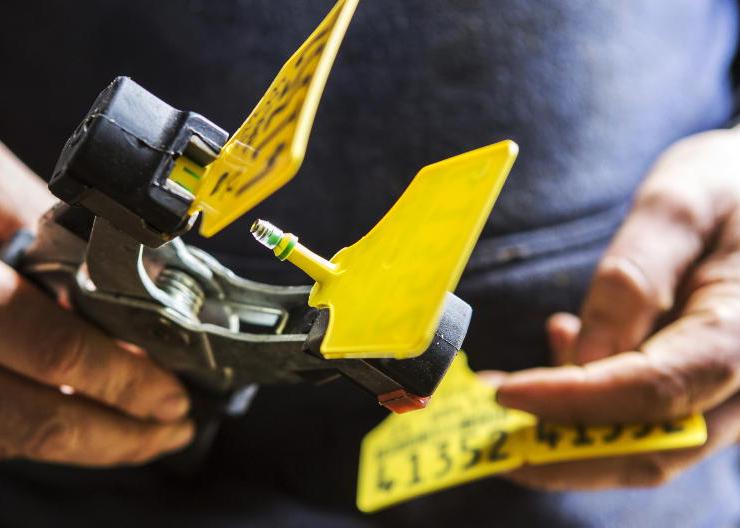
There will be additional cost under the plans, with DAERA pointing out that EID tags are currently £1.50 to £2 more expensive than ordinary cattle tags.
However, in an update to Stormont’s agriculture committee, DAERA said it will “consider financial support for herd keepers” when bovine EID becomes mandatory.
When EID cattle tags become compulsory in the Republic of Ireland in 2022, a temporary subsidy of €1 per tag set was available up to a maximum payment of €100 per herd.
Plans have also recently been announced to introduce bovine EID in England, Scotland and Wales at various stages in 2026 and 2027.
Minister Muir said EID tag technology has “already proven its value” in the NI sheep sector, where it has been compulsory since 2010.
“It can eliminate tag reading errors and improve efficiency for animal handling on farms, at markets and at processing sites,” he said.
However, the DAERA consultation only suggests making EID compulsory for newborn calves, so most older cattle will still be identified by visual tags only.
It proposes mandating that the EID tag is put in a particular ear on each calf, so that fixed tag reading equipment in can be fitted in an optimum position.
It is also proposed that tags which contain the EID microchip are a different colour to ordinary tags, so that it is clear which animals are EID tagged or not.
The DAERA plan is likely to be supported by representatives from farmer organisations, livestock marts and processors.
The department said in its update to MLAs that “key industry stakeholders welcomed the plans” and “are keen it is rolled out at the same time as the Bovine Genetics Project”.



SHARING OPTIONS