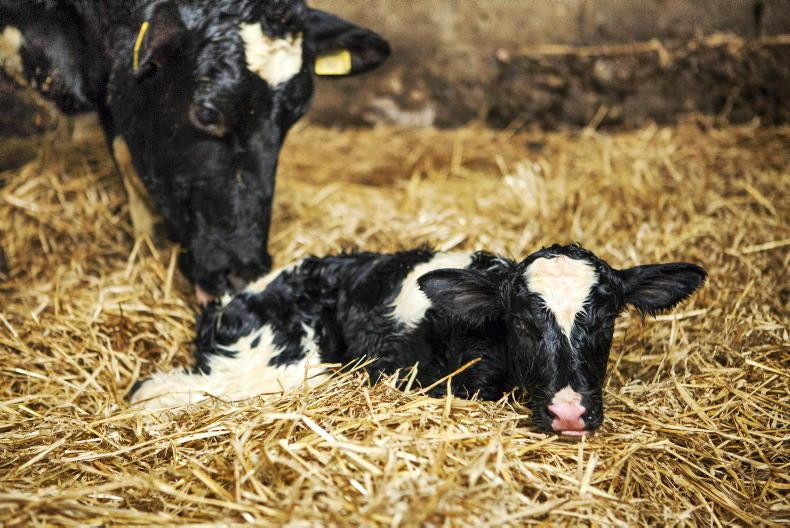
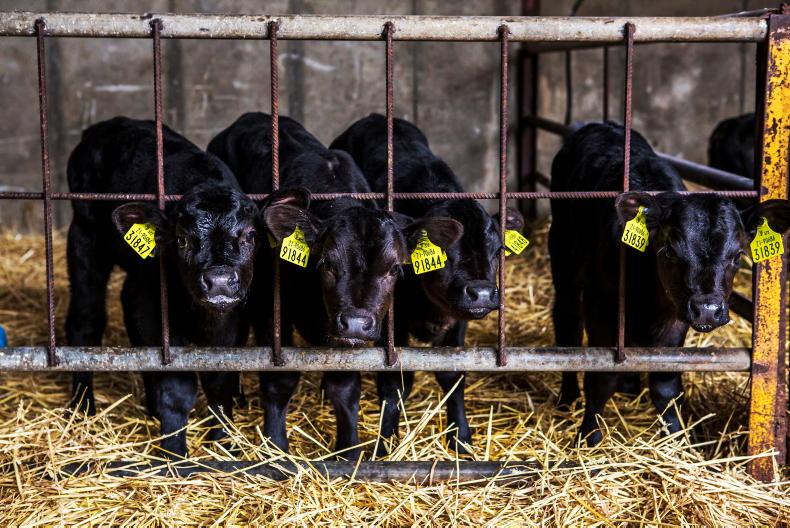
Over two thirds of the 2.18m calves born in the first 10 months of 2025 were born in a tight window from January through to March. The condensed nature of calving in the first quarter of the year has been underpinned by a greater focus in dairy herds for calving to take advantage of a grass-based system of production.
This has become an incredibly busy timeframe on-farm and any tasks that can be completed in advance, including ordering tags, are now in the diary at an earlier stage.
As such, the period from November through to January has become busier for tag companies. The addition of the National Genotype Programme in recent years has added to this workload, but is now by and large well bedded in at tag manufacturer level.
Price overview
Table 1 details our annual tag price summary, which has been included in the Animal Identification Focus in recent years. It details prices for tags across the four companies approved to supply cattle tags, while Table 2 details prices for sheep tags in these companies offering dual cattle and sheep tag supplies.
There are additional companies licensed to sell sheep tags and the full list is available on the Department of Agriculture website.
Remember under National Sheep Identification Rules each lamb born on the farm of origin must be tagged on leaving the farm or before they reach nine months of age.
Lambs going direct for slaughter and less than 12 months of age can be tagged with a slaughter tag with an EID tag set for all other movements.
There is very little change in the price of cattle tags compared to those included in last year’s Animal Identification Focus feature. Agritags has increased the cost of its single visual tag by 10c/kg, with all other costs unchanged.
Datamars, whose tags are marketed through Easytags, has increased the price of its EID double tissue tag by 5c/tag set and increased the cost of a single EID tissue tag by 3c/kg.
There has been no change in the cost of tags in Cormac Tagging, while there have been a few changes in Mullinahone Co-op. The cost of an EID double tissue tag has increased by 7c/tag, while a replacement EID visual tag set has increased by 35c/tag.
The cost of a National Genotype Programme replacement tag is up 10c, while a BVD replacement tissue tag increased by 8c.
Tag threshold
Herds are limited in the number of tags that they can order in any one season and this is known as the tag threshold.
The maximum threshold is based on the average number of calves born in the previous three years plus an allowance to take account of a possible small increase in numbers.
A herd’s threshold figure can be easily accessed through the Department of Agriculture agfood or MyAgfood.ie facility.
Farmers who wish to increase their threshold on the back of an increase in births can notify the Department to do so.
We spoke with tag suppliers at last week’s Irish Farmers Journal Dairy Day to get an insight into the latest trends and advice ahead of the 2026 calving season. Some of these views are summarised below.
Order your NGP tags now

Ursula Kelly from Cormac Tagging at Lambing Live on the UCD Lyons Farm. \ Philip Doyle
Ursula Kelly, Cormac Tagging, said the company is proud to continue its support of ICBF in the ambitious and continued rollout of the National Genotyping Programme. She said there has been ambitious feats achieved to-date, including some farmers sampling more than a 1,000 cows with sampling operations spanning over several weeks and first time SCEP herds joining.
She advises recently joined herds to return cow samples promptly to have results before Christmas. There will be a noticeable increase in demand for double tissue tags and farmers are told why wait until January when you can order now.
Ursula adds: “If you are new to genotyping and have tags left over from last year, call us and we can send out DNA buttons to match leftover ones so that you have no waste tags. In spring, aim for dry calf ears for clean sampling, and remember always use the pink envelope to avoid processing delays”.
Interest in EID technology is growing

Beyond the Parlour Stage Dairy Day 2025. \ Claire Nash
Joseph O’Callaghan, Datamars, says there is growing interest in electronic identification (EID) technology given that an increasing percentage of the national herd is now electronically tagged.
He says that greater use in new technologies such as heat detection aids, automatic drafting systems, robotic milking machines, computerised calf feeders, etc, is one factor driving this interest.
Another factor that is possibly having a greater role is the labour-saving aspect of being able to read EID tags with electronic readers and record performance. This is taking the hassle out of physically having to read tags and is a game changer in big herds.
Joseph encouraged farmers to look at the range of equipment available for grant aid under TAMS, with readers such as the Tru-test SRS2 reader offering value for money (€1,080 incl VAT) and increasing in popularity.
Ensure taggers are in good working order

Beyond the Parlour Stage Dairy Day 2025. \ Claire Nash
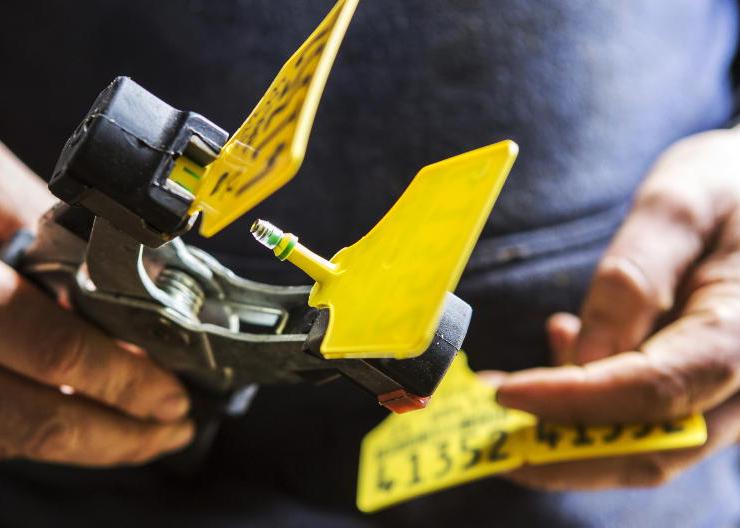
Anne Kelleher, Mullinahone Co-op, delivered valuable practical advice for farmers in terms of ensuring taggers are in good working order to facilitate the smooth tagging of calves.
She pointed out that there are taggers on some farms that may have been used at this stage to tag a couple of thousands of calves and which may be subject to some wear and tear.
She advises farmers to insert the tag in to the tagger and to check that tags are lining up correctly before applying. If not then your tagger may need replacing.
With regard to BVD samples, it is advisable to ensure the sample is collected and securely closed before leaving the tagger aside. Storing the tagger in a clean, dry condition and refraining from letting it fall will extend its lifetime use. Anne says there has been a big increase in demand for the companies sheep bubblegum tag.
The tag is available as a slaughter tag or as a permanent EID and visual combination set.
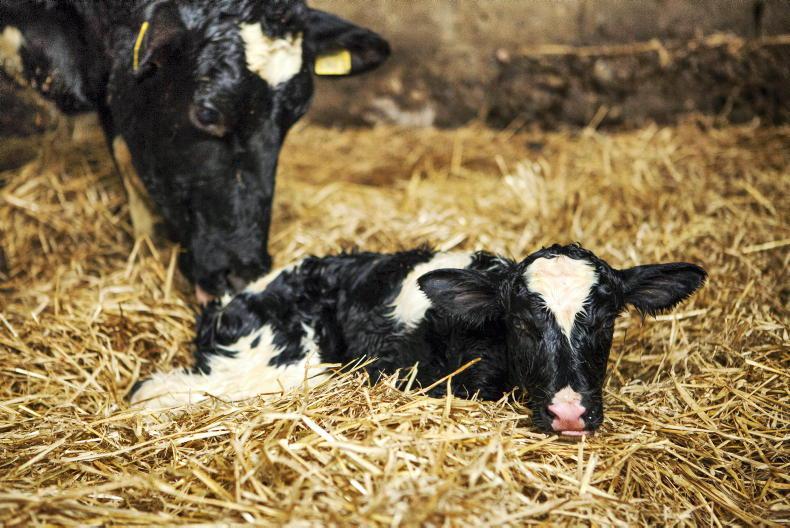
Over two thirds of the 2.18m calves born in the first 10 months of 2025 were born in a tight window from January through to March. The condensed nature of calving in the first quarter of the year has been underpinned by a greater focus in dairy herds for calving to take advantage of a grass-based system of production.
This has become an incredibly busy timeframe on-farm and any tasks that can be completed in advance, including ordering tags, are now in the diary at an earlier stage.
As such, the period from November through to January has become busier for tag companies. The addition of the National Genotype Programme in recent years has added to this workload, but is now by and large well bedded in at tag manufacturer level.
Price overview
Table 1 details our annual tag price summary, which has been included in the Animal Identification Focus in recent years. It details prices for tags across the four companies approved to supply cattle tags, while Table 2 details prices for sheep tags in these companies offering dual cattle and sheep tag supplies.
There are additional companies licensed to sell sheep tags and the full list is available on the Department of Agriculture website.
Remember under National Sheep Identification Rules each lamb born on the farm of origin must be tagged on leaving the farm or before they reach nine months of age.
Lambs going direct for slaughter and less than 12 months of age can be tagged with a slaughter tag with an EID tag set for all other movements.
There is very little change in the price of cattle tags compared to those included in last year’s Animal Identification Focus feature. Agritags has increased the cost of its single visual tag by 10c/kg, with all other costs unchanged.
Datamars, whose tags are marketed through Easytags, has increased the price of its EID double tissue tag by 5c/tag set and increased the cost of a single EID tissue tag by 3c/kg.
There has been no change in the cost of tags in Cormac Tagging, while there have been a few changes in Mullinahone Co-op. The cost of an EID double tissue tag has increased by 7c/tag, while a replacement EID visual tag set has increased by 35c/tag.
The cost of a National Genotype Programme replacement tag is up 10c, while a BVD replacement tissue tag increased by 8c.
Tag threshold
Herds are limited in the number of tags that they can order in any one season and this is known as the tag threshold.
The maximum threshold is based on the average number of calves born in the previous three years plus an allowance to take account of a possible small increase in numbers.
A herd’s threshold figure can be easily accessed through the Department of Agriculture agfood or MyAgfood.ie facility.
Farmers who wish to increase their threshold on the back of an increase in births can notify the Department to do so.
We spoke with tag suppliers at last week’s Irish Farmers Journal Dairy Day to get an insight into the latest trends and advice ahead of the 2026 calving season. Some of these views are summarised below.
Order your NGP tags now
Ursula Kelly from Cormac Tagging at Lambing Live on the UCD Lyons Farm. \ Philip Doyle
Ursula Kelly, Cormac Tagging, said the company is proud to continue its support of ICBF in the ambitious and continued rollout of the National Genotyping Programme. She said there has been ambitious feats achieved to-date, including some farmers sampling more than a 1,000 cows with sampling operations spanning over several weeks and first time SCEP herds joining.
She advises recently joined herds to return cow samples promptly to have results before Christmas. There will be a noticeable increase in demand for double tissue tags and farmers are told why wait until January when you can order now.
Ursula adds: “If you are new to genotyping and have tags left over from last year, call us and we can send out DNA buttons to match leftover ones so that you have no waste tags. In spring, aim for dry calf ears for clean sampling, and remember always use the pink envelope to avoid processing delays”.
Interest in EID technology is growing
Beyond the Parlour Stage Dairy Day 2025. \ Claire Nash
Joseph O’Callaghan, Datamars, says there is growing interest in electronic identification (EID) technology given that an increasing percentage of the national herd is now electronically tagged.
He says that greater use in new technologies such as heat detection aids, automatic drafting systems, robotic milking machines, computerised calf feeders, etc, is one factor driving this interest.
Another factor that is possibly having a greater role is the labour-saving aspect of being able to read EID tags with electronic readers and record performance. This is taking the hassle out of physically having to read tags and is a game changer in big herds.
Joseph encouraged farmers to look at the range of equipment available for grant aid under TAMS, with readers such as the Tru-test SRS2 reader offering value for money (€1,080 incl VAT) and increasing in popularity.
Ensure taggers are in good working order
Beyond the Parlour Stage Dairy Day 2025. \ Claire Nash
Anne Kelleher, Mullinahone Co-op, delivered valuable practical advice for farmers in terms of ensuring taggers are in good working order to facilitate the smooth tagging of calves.
She pointed out that there are taggers on some farms that may have been used at this stage to tag a couple of thousands of calves and which may be subject to some wear and tear.
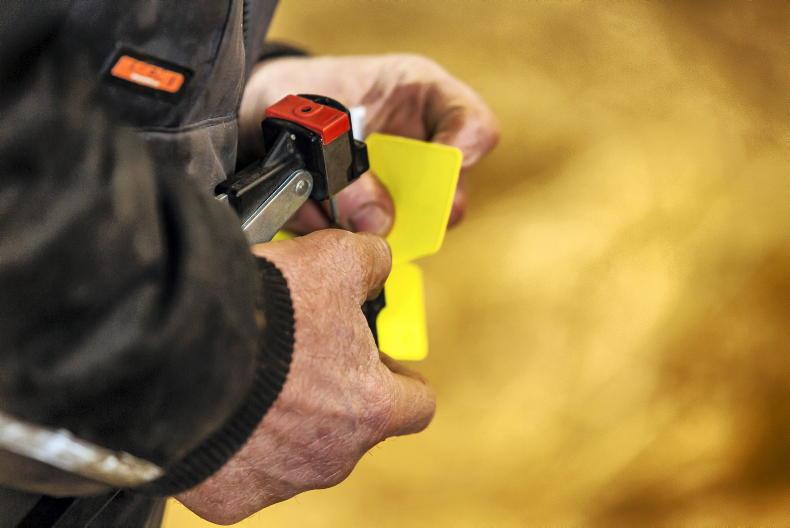
She advises farmers to insert the tag in to the tagger and to check that tags are lining up correctly before applying. If not then your tagger may need replacing.
With regard to BVD samples, it is advisable to ensure the sample is collected and securely closed before leaving the tagger aside. Storing the tagger in a clean, dry condition and refraining from letting it fall will extend its lifetime use. Anne says there has been a big increase in demand for the companies sheep bubblegum tag.
The tag is available as a slaughter tag or as a permanent EID and visual combination set.







SHARING OPTIONS