Varieties are one of the first lines of defence when it comes to preventing disease on farms. Once crops are planted into a clean seedbed and in good conditions, they are out in the environment on their own and their genes will help them fight the challenges that they face.
These traits need to be examined carefully. They will help you reduce inputs, but also to target inputs and prevent disease.
Anyone who has planted a barley yellow dwarf virus tolerant winter barley variety did not have to rush out with an aphicide and had insurance once the wet weather hit for the winter, compared to other varieties.
All varieties will have weaknesses and strengths and these can all be looked after once you know what they are. Often a crop will have a high yield potential, but its straw strength may be a bit lower. You have to take the good with the bad and look after what needs it.
In this article I will go through the different crops and point out some of the things to look out for on straw strength, disease and disease resistance.
Spring barley
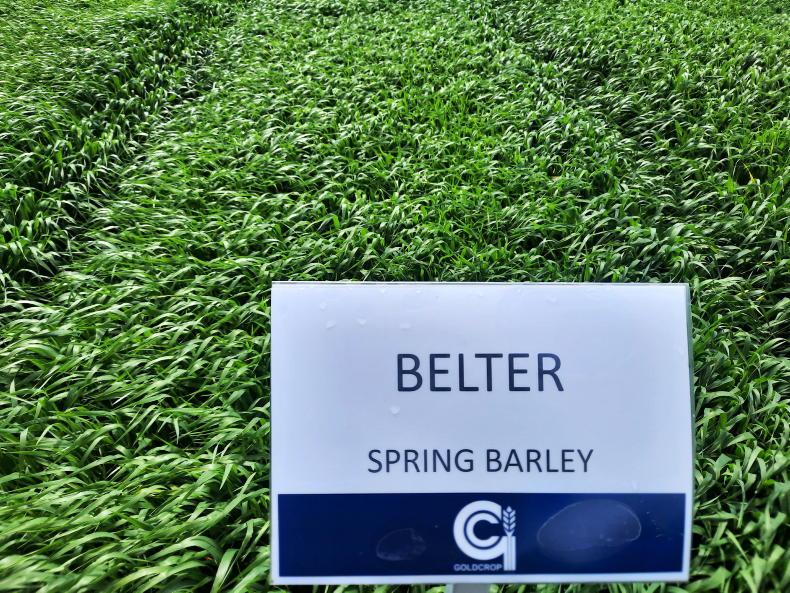
Belter is a new variety of sping barley with good disease resistance.
Spring barley varieties offer great choice and reliability for the most part. There are 12 varieties (see Table 1, below). LG Mermaid, Planet and Skyway are weak on straw, while Lollipop is weak on lodging.
All varieties are good on mildew. Planet falls down on the other diseases, but once you know that you can treat accordingly, granted with a higher spend likely. Florence is one to watch for brown rust and net blotch.
Oats and spring wheat
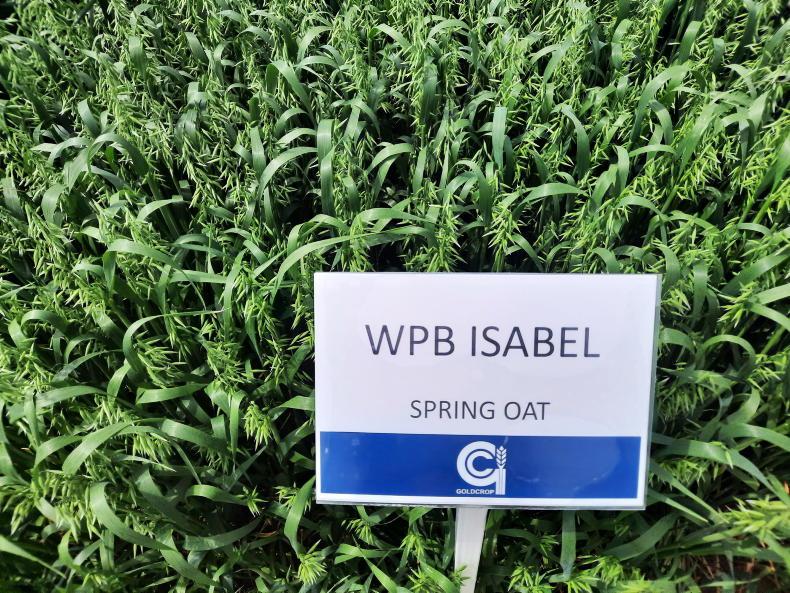
WPB Isabel has good straw strength.
All oat and spring wheat crops need timely PGR application. WPB Isabel has strong straw strength compared to other varieties of oats though. Both crops need good disease programmes as well, with relatively low resistance levels to disease. Have a look through the tables if you are growing these crops.
Winter barley
Hyrbid varieties will need a robust plant growth regulator programme with their straw height (see Table 5, below).
Looking at SY Canyon, it is tall and has low resistance to lodging and straw breakdown scores. Molly, which claims BYDV resistance, also falls down on straw strength.
A number of winter barley varieties are borderline on straw breakdown, so timely PGR applications will be important.
Looking at disease resistance, mildew scores are low for Integral, KWS Cassia, KWS Joyau and are not the best for Belfry or KWS Tardis.
KWS Cassia rates worse on rhynchosporium, but by now anyone growing KWS Cassia knows how to manage it. Befry is weaker on brown rust than other varieties, while Integral and SY Canyon are weaker on net blotch. Strobilurin fungicides should be added in for rust and net blotch, but will likely be in the T1 application anyway.
Winter wheat
There are 11 varieties on the winter wheat lists and seven of those are provisionally recommended so are new to most people.
KWS Equipe sticks out for straw height at 80cm and falls down on resistance to lodging and straw breakdown with scores of five for both (see Table 6, below).
Spearhead and Champion are also weak on lodging so keep PGRs timely. Graham has a low straw breakdown figure so PGR timing, rate and plant health will be important. Straw breakdown is impacted by crop nutrition and disease control. Healthy plants are more likely to stand.
The varieties rate well enough on mildew and the boost in variety numbers has also resulted in a boost in Septoria resistance ratings, but most varieties are still fairly weak against the disease. Graham, Spearhead and LG Rebellion only score a five and the other varieties are at a six. KWS Dawsum will need a robust programme, it only scores a four for resistance to Septoria. More positively, Fitzroy and NOS Bullseye rate a seven.
Yellow Rust hit varieties badly last year. Graham, KWS Dawsum, Spearhead, Champion, Kubik, KWS Equipe, KWS Scope and NOS Bullseye are all very weak against the disease so really should be getting a T0 with a strobilurin to keep it at bay. Last year, saw yellow rust take hold in some crops and while there might not be high pressure every year the breakdown of the YR15 gene, which helped to protect against the disease means it is a higher risk.
A number of varieties are also weak on ear blight or fusarium. A T3 will be needed here, despite being almost impossible to get right timing right for the disease.
Varieties are one of the first lines of defence when it comes to preventing disease on farms. Once crops are planted into a clean seedbed and in good conditions, they are out in the environment on their own and their genes will help them fight the challenges that they face.
These traits need to be examined carefully. They will help you reduce inputs, but also to target inputs and prevent disease.
Anyone who has planted a barley yellow dwarf virus tolerant winter barley variety did not have to rush out with an aphicide and had insurance once the wet weather hit for the winter, compared to other varieties.
All varieties will have weaknesses and strengths and these can all be looked after once you know what they are. Often a crop will have a high yield potential, but its straw strength may be a bit lower. You have to take the good with the bad and look after what needs it.
In this article I will go through the different crops and point out some of the things to look out for on straw strength, disease and disease resistance.
Spring barley
Belter is a new variety of sping barley with good disease resistance.
Spring barley varieties offer great choice and reliability for the most part. There are 12 varieties (see Table 1, below). LG Mermaid, Planet and Skyway are weak on straw, while Lollipop is weak on lodging.
All varieties are good on mildew. Planet falls down on the other diseases, but once you know that you can treat accordingly, granted with a higher spend likely. Florence is one to watch for brown rust and net blotch.
Oats and spring wheat
WPB Isabel has good straw strength.
All oat and spring wheat crops need timely PGR application. WPB Isabel has strong straw strength compared to other varieties of oats though. Both crops need good disease programmes as well, with relatively low resistance levels to disease. Have a look through the tables if you are growing these crops.
Winter barley
Hyrbid varieties will need a robust plant growth regulator programme with their straw height (see Table 5, below).
Looking at SY Canyon, it is tall and has low resistance to lodging and straw breakdown scores. Molly, which claims BYDV resistance, also falls down on straw strength.
A number of winter barley varieties are borderline on straw breakdown, so timely PGR applications will be important.
Looking at disease resistance, mildew scores are low for Integral, KWS Cassia, KWS Joyau and are not the best for Belfry or KWS Tardis.
KWS Cassia rates worse on rhynchosporium, but by now anyone growing KWS Cassia knows how to manage it. Befry is weaker on brown rust than other varieties, while Integral and SY Canyon are weaker on net blotch. Strobilurin fungicides should be added in for rust and net blotch, but will likely be in the T1 application anyway.
Winter wheat
There are 11 varieties on the winter wheat lists and seven of those are provisionally recommended so are new to most people.
KWS Equipe sticks out for straw height at 80cm and falls down on resistance to lodging and straw breakdown with scores of five for both (see Table 6, below).
Spearhead and Champion are also weak on lodging so keep PGRs timely. Graham has a low straw breakdown figure so PGR timing, rate and plant health will be important. Straw breakdown is impacted by crop nutrition and disease control. Healthy plants are more likely to stand.
The varieties rate well enough on mildew and the boost in variety numbers has also resulted in a boost in Septoria resistance ratings, but most varieties are still fairly weak against the disease. Graham, Spearhead and LG Rebellion only score a five and the other varieties are at a six. KWS Dawsum will need a robust programme, it only scores a four for resistance to Septoria. More positively, Fitzroy and NOS Bullseye rate a seven.
Yellow Rust hit varieties badly last year. Graham, KWS Dawsum, Spearhead, Champion, Kubik, KWS Equipe, KWS Scope and NOS Bullseye are all very weak against the disease so really should be getting a T0 with a strobilurin to keep it at bay. Last year, saw yellow rust take hold in some crops and while there might not be high pressure every year the breakdown of the YR15 gene, which helped to protect against the disease means it is a higher risk.
A number of varieties are also weak on ear blight or fusarium. A T3 will be needed here, despite being almost impossible to get right timing right for the disease.





SHARING OPTIONS