Looking at the lists of products in this book, deciding what products to apply to your crops can be extremely confusing. There are hundreds. There are different options of active ingredients and then there are different options of products with the same active ingredients. It’s difficult to know what to use and to know how to decide on what to use.
What is the difference between the five options of prothioconazole for example that may be available in your local merchant or co-op?
Some of them will be produced by the company that originally developed that active ingredient – Proline is the original product. Some will be generic products which have tried to copy that product once it came off patent and they could legally try and copy the product and sell it.
As we all know, plant protection products can be expensive. From speaking with companies which develop these products it takes about €300-350m to develop a new product over a 10- to 12-year period.
There is obviously money to be made from these products or they would not be produced, but one reason why the products are expensive is because it costs money to develop them. Once the patent is up, generic versions of these products can be produced, competition is created in the market and the price generally drops.
Research and development
All new products and active ingredients start with research and take at least 10 years to come to market. This timeline is most likely longer in the EU, due to the level of regulations. Products are brought to market after huge levels of investment in research and development by certain companies.
In an interview for the Irish Farmers Journal’s Tillage Podcast, it was recently said that a company could start out with 10,000 molecules to produce just one active ingredient. After all of the investigations and trials only one might work. One molecule might be able to cure a disease for example, but that molecule may not be able to make itself available to the plant so they need to look for a new one.
As said earlier, on average, a figure placed on bringing a product to market works out somewhere in the region of €350m. Research and Development companies spending this money come up with active ingredients that play big roles in crop protection – fungicides like Inatreq, SDHIs like Xemium, Bixafen, Axial to control wild oats and many more.
Once a product comes to market it comes under patent, which lasts 20 years. This patent usually starts before the product makes it to market and so a number of years after it has been for sale, the patent is removed and other companies often try to copy the product and bring it to market themselves.
These products are known as generics. They are trying to copy the original product, but often don’t know all of the ingredients or the way it is made and so they are not the same product, but will act similarly. Some generic versions of a product will perform better than others.
Generics
Generics play an important part in the market. Usually, when products come off patent and generics come onto the market, the price of the product comes down. Proline came off patent in 2022. The active ingredient is prothioconazole and when it came off patent in 2022, and since then, the price of the product has come down by about 75% in some cases.
This can mean farmers are more likely to buy the product and put on an optimum rate.
Generic chemicals have become a normal part of tillage farming and the competition that they bring to the market is important. However, in recent times generics have come under scrutiny.
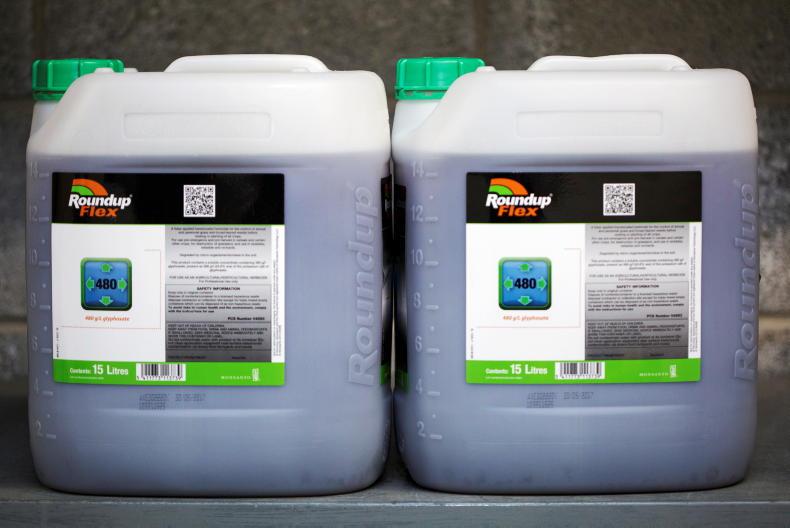
The most obvious scrutiny has been glyphosate. Teagasc have openly published and continue to recommend higher rates of generic glyphosate compared to original Roundup brands. This has coincided with the development of glyphosate resistance in Italian ryegrass.
Herbicide resistance
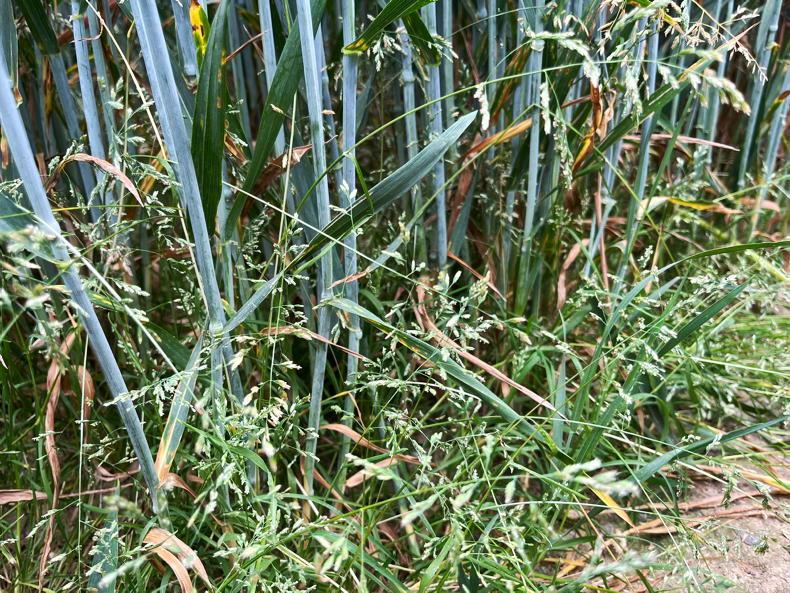
Herbicide resistance is developing with many different active ingredients for numerous reasons including, over use, not using the right rates or applying at the right times and some question formulations.
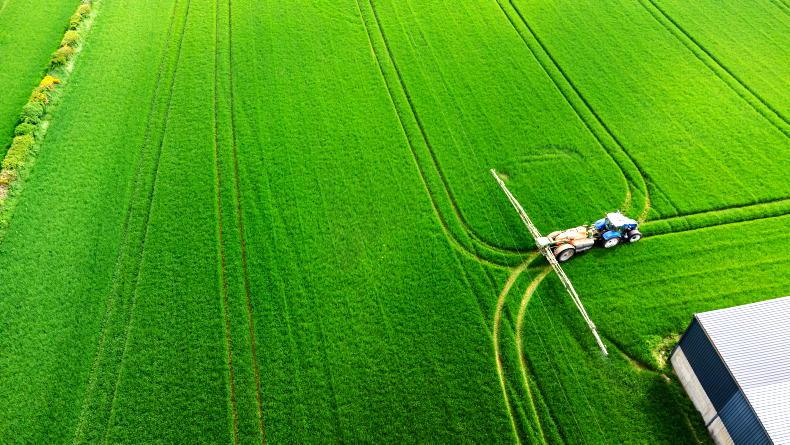
It is hard for farmers to know what products to use on their farms. \ Claire Nash
So, farmers may be purchasing generic products at a lower cost and applying the optimum rate of the original products, but some claim that rate may not be optimum for that particular generic version of the product.
Recipes
Last year, the Irish Farmers Journal spoke to Garreth Bubb of Bayer Crop Science, he commented that you can have the same recipe for a cake, but if two different people bake the cake they don’t necessarily turn out the same.
So why is this if the product has come off patent? Well, the patent will name the active ingredients, but many ingredients will be confidential and when they are going through the registration process the authorities will see these ingredients, but they cannot disclose these other ingredients to anyone else.
These ingredients are important for the formulation of the product. You can have an active ingredient that is produced to control a disease or a weed, but it needs to be applied in a certain way and makes its way into the plant in a certain way to work. Adjuvants, surfactants and stickers are just some of those ingredients.
These help to target the active ingredients, help it to get through the leaf of the plant, stick to the plant and give it rain fastness. They play a crucial role in product performance, so are important to get right.
Scrutiny
However, these generic products do come under scrutiny. Farmers wonder are they getting the right product, does it perform in the same way as the real thing?
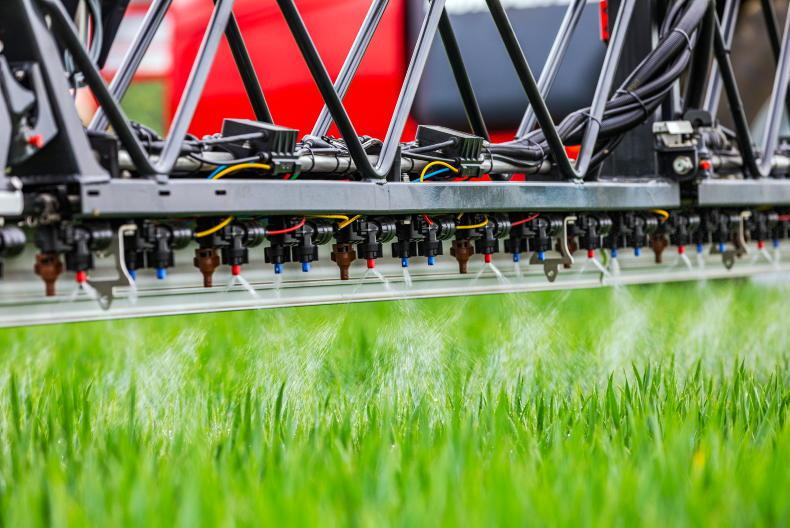
Not all plant protection products are the same, even if they have the same active ingredients.
In recent times, Teagasc have advised the use of higher rates of glyphosate where generic products are used. Some are clearly not performing as they should.
For farmers, it’s a lottery. They have no way of knowing what is in the bottle or if it is formulated like the original product. They have to trust the system that registers the product and examine the performance in the field against other products themselves.
Are generic chemicals exactly the same as the branded products from the research and development companies?
The simple answer is no. When products are registered to be marketed the active ingredients are published. However, all the products are not listed – the co-formulants and the level at which they are included in a product are not always detailed.
Alison Bosher works for Life Scientific, a company selling generic products all over the world, which is based in Ireland and carries out what is called reverse engineering at its lab in Dublin.
Alison told the Tillage Podcast that reverse engineering means that Life Scientific can mirror the product that they are trying to copy. Machines in the laboratory analyse the products and divide out the different ingredients.
There could be 10 or 20, but they identify these ingredients to make what they call a replica of the original product.
This is what they say separates their products from other generic products and the company claims that they have analysed other generic products which do not have all of the right ingredients in the product. They may be missing an important ingredient or include something that shouldn’t be there.
New active ingredients
The R&D companies producing new active ingredients claim that the generic products are not the same as their products.
One key part of that argument is that most of the generics are based off of an old version of the product, the original or very close to the original.
These products are updated along the way to improve efficacy, so while a generic might be based on the original product the branded product might now be on version 17 which has been improved and adjusted from the original.
On a farmer choosing between products, it’s hard to know what is what.
Alison commented that there are more products coming through from research and development companies producing original products and there is space for generics in the market.
She added that in low disease years the investment in innovation may not be required and farmers can be flexible depending on disease levels.
Alister McRobbie of Corteva told the Irish Farmers Journal that research and development companies generally provide good advice and back up to farmers where generic companies may not.
“Generic products often claim to be identical to the proprietary product. Sometimes they’re not identical, sometimes formulation components can be slightly different and sometimes they behave slightly differently so they may not disperse for example as well as the proprietary formulation,” Alister said.
Speeds up registration
Generic products generally get to the market very quickly and some of the reason behind this is because they claim to be replicating a product already on the market.
Therefore, they can basically use data already available for that product and do not need to produce huge amounts of paperwork as would be the case for an original product.
However, there are some concerns that these products are not the same as the original. Speaking to Steve Dennis of BASF on the Tillage Podcast, he has data from two BASF trials from 2025 which shows a 0.5t/ha yield difference on a wheat crop treated with branded and generic pyraclastrobin products. The generic being the lower-yielding product.
Very often these products actually have not been tried, sprayed or evaluated. They just claim they are identical and therefore look at the R&D manufacturers decision around it
He also expressed concern around the formulation of these products that make the product move through the plant and also around user safety.
Mentioning copies of Signum, he said some generic versions were found to be dusty which causes issues for getting into solution and around user safety.
Steve commented that there seems to be a certain amount of pride in the speed at which something comes to the market. He said instead of talking about the years it takes, generic companies talk in months.
“Very often these products actually have not been tried, sprayed or evaluated. They just claim they are identical and therefore look at the R&D manufacturers decision around it,” Steve said.
“Increasingly though, we are finding regulators that claim identicality, in some instances, are actually not identical to the original formulation.” He urged farmers to ask for evidence from these companies in the same way they would ask a company like BASF when they bring a new active ingredient or product to the market.
Key points
Research and development companies bring new active ingredients to market to keep up with pest challenges in crops.Generic companies bring copies of these products to the market which helps to bring competition to the market.Generic companies often claim that these products are identical to the original products. some research shows they are not.Branded companies often update the original product numerous times to improve efficiency, so generics may be copying the original product, but the product has already been changed.Teagasc has raised concerns about resistance and weed control with generic glyphosate.Farmers should question all products that they purchase and ask has it been trialled and is it up to standards for their safety and for its efficacy on the crop.R&D companies are important to bring new actives and products to market. Generics are important for competition, but we must not compromise on safety.You can listen to The Tillage Podcast and hear from the names mentioned above here.
Looking at the lists of products in this book, deciding what products to apply to your crops can be extremely confusing. There are hundreds. There are different options of active ingredients and then there are different options of products with the same active ingredients. It’s difficult to know what to use and to know how to decide on what to use.
What is the difference between the five options of prothioconazole for example that may be available in your local merchant or co-op?
Some of them will be produced by the company that originally developed that active ingredient – Proline is the original product. Some will be generic products which have tried to copy that product once it came off patent and they could legally try and copy the product and sell it.
As we all know, plant protection products can be expensive. From speaking with companies which develop these products it takes about €300-350m to develop a new product over a 10- to 12-year period.
There is obviously money to be made from these products or they would not be produced, but one reason why the products are expensive is because it costs money to develop them. Once the patent is up, generic versions of these products can be produced, competition is created in the market and the price generally drops.
Research and development
All new products and active ingredients start with research and take at least 10 years to come to market. This timeline is most likely longer in the EU, due to the level of regulations. Products are brought to market after huge levels of investment in research and development by certain companies.
In an interview for the Irish Farmers Journal’s Tillage Podcast, it was recently said that a company could start out with 10,000 molecules to produce just one active ingredient. After all of the investigations and trials only one might work. One molecule might be able to cure a disease for example, but that molecule may not be able to make itself available to the plant so they need to look for a new one.
As said earlier, on average, a figure placed on bringing a product to market works out somewhere in the region of €350m. Research and Development companies spending this money come up with active ingredients that play big roles in crop protection – fungicides like Inatreq, SDHIs like Xemium, Bixafen, Axial to control wild oats and many more.
Once a product comes to market it comes under patent, which lasts 20 years. This patent usually starts before the product makes it to market and so a number of years after it has been for sale, the patent is removed and other companies often try to copy the product and bring it to market themselves.
These products are known as generics. They are trying to copy the original product, but often don’t know all of the ingredients or the way it is made and so they are not the same product, but will act similarly. Some generic versions of a product will perform better than others.
Generics
Generics play an important part in the market. Usually, when products come off patent and generics come onto the market, the price of the product comes down. Proline came off patent in 2022. The active ingredient is prothioconazole and when it came off patent in 2022, and since then, the price of the product has come down by about 75% in some cases.
This can mean farmers are more likely to buy the product and put on an optimum rate.
Generic chemicals have become a normal part of tillage farming and the competition that they bring to the market is important. However, in recent times generics have come under scrutiny.
The most obvious scrutiny has been glyphosate. Teagasc have openly published and continue to recommend higher rates of generic glyphosate compared to original Roundup brands. This has coincided with the development of glyphosate resistance in Italian ryegrass.
Herbicide resistance
Herbicide resistance is developing with many different active ingredients for numerous reasons including, over use, not using the right rates or applying at the right times and some question formulations.
It is hard for farmers to know what products to use on their farms. \ Claire Nash
So, farmers may be purchasing generic products at a lower cost and applying the optimum rate of the original products, but some claim that rate may not be optimum for that particular generic version of the product.
Recipes
Last year, the Irish Farmers Journal spoke to Garreth Bubb of Bayer Crop Science, he commented that you can have the same recipe for a cake, but if two different people bake the cake they don’t necessarily turn out the same.
So why is this if the product has come off patent? Well, the patent will name the active ingredients, but many ingredients will be confidential and when they are going through the registration process the authorities will see these ingredients, but they cannot disclose these other ingredients to anyone else.
These ingredients are important for the formulation of the product. You can have an active ingredient that is produced to control a disease or a weed, but it needs to be applied in a certain way and makes its way into the plant in a certain way to work. Adjuvants, surfactants and stickers are just some of those ingredients.
These help to target the active ingredients, help it to get through the leaf of the plant, stick to the plant and give it rain fastness. They play a crucial role in product performance, so are important to get right.
Scrutiny
However, these generic products do come under scrutiny. Farmers wonder are they getting the right product, does it perform in the same way as the real thing?
Not all plant protection products are the same, even if they have the same active ingredients.
In recent times, Teagasc have advised the use of higher rates of glyphosate where generic products are used. Some are clearly not performing as they should.
For farmers, it’s a lottery. They have no way of knowing what is in the bottle or if it is formulated like the original product. They have to trust the system that registers the product and examine the performance in the field against other products themselves.
Are generic chemicals exactly the same as the branded products from the research and development companies?
The simple answer is no. When products are registered to be marketed the active ingredients are published. However, all the products are not listed – the co-formulants and the level at which they are included in a product are not always detailed.
Alison Bosher works for Life Scientific, a company selling generic products all over the world, which is based in Ireland and carries out what is called reverse engineering at its lab in Dublin.
Alison told the Tillage Podcast that reverse engineering means that Life Scientific can mirror the product that they are trying to copy. Machines in the laboratory analyse the products and divide out the different ingredients.
There could be 10 or 20, but they identify these ingredients to make what they call a replica of the original product.
This is what they say separates their products from other generic products and the company claims that they have analysed other generic products which do not have all of the right ingredients in the product. They may be missing an important ingredient or include something that shouldn’t be there.
New active ingredients
The R&D companies producing new active ingredients claim that the generic products are not the same as their products.
One key part of that argument is that most of the generics are based off of an old version of the product, the original or very close to the original.
These products are updated along the way to improve efficacy, so while a generic might be based on the original product the branded product might now be on version 17 which has been improved and adjusted from the original.
On a farmer choosing between products, it’s hard to know what is what.
Alison commented that there are more products coming through from research and development companies producing original products and there is space for generics in the market.
She added that in low disease years the investment in innovation may not be required and farmers can be flexible depending on disease levels.
Alister McRobbie of Corteva told the Irish Farmers Journal that research and development companies generally provide good advice and back up to farmers where generic companies may not.
“Generic products often claim to be identical to the proprietary product. Sometimes they’re not identical, sometimes formulation components can be slightly different and sometimes they behave slightly differently so they may not disperse for example as well as the proprietary formulation,” Alister said.
Speeds up registration
Generic products generally get to the market very quickly and some of the reason behind this is because they claim to be replicating a product already on the market.
Therefore, they can basically use data already available for that product and do not need to produce huge amounts of paperwork as would be the case for an original product.
However, there are some concerns that these products are not the same as the original. Speaking to Steve Dennis of BASF on the Tillage Podcast, he has data from two BASF trials from 2025 which shows a 0.5t/ha yield difference on a wheat crop treated with branded and generic pyraclastrobin products. The generic being the lower-yielding product.
Very often these products actually have not been tried, sprayed or evaluated. They just claim they are identical and therefore look at the R&D manufacturers decision around it
He also expressed concern around the formulation of these products that make the product move through the plant and also around user safety.
Mentioning copies of Signum, he said some generic versions were found to be dusty which causes issues for getting into solution and around user safety.
Steve commented that there seems to be a certain amount of pride in the speed at which something comes to the market. He said instead of talking about the years it takes, generic companies talk in months.
“Very often these products actually have not been tried, sprayed or evaluated. They just claim they are identical and therefore look at the R&D manufacturers decision around it,” Steve said.
“Increasingly though, we are finding regulators that claim identicality, in some instances, are actually not identical to the original formulation.” He urged farmers to ask for evidence from these companies in the same way they would ask a company like BASF when they bring a new active ingredient or product to the market.
Key points
Research and development companies bring new active ingredients to market to keep up with pest challenges in crops.Generic companies bring copies of these products to the market which helps to bring competition to the market.Generic companies often claim that these products are identical to the original products. some research shows they are not.Branded companies often update the original product numerous times to improve efficiency, so generics may be copying the original product, but the product has already been changed.Teagasc has raised concerns about resistance and weed control with generic glyphosate.Farmers should question all products that they purchase and ask has it been trialled and is it up to standards for their safety and for its efficacy on the crop.R&D companies are important to bring new actives and products to market. Generics are important for competition, but we must not compromise on safety.You can listen to The Tillage Podcast and hear from the names mentioned above here.





SHARING OPTIONS