


As we approach the end of 2025, we reach the end of Ireland’s first carbon budgeting period – a fitting moment to reflect on our progress in agricultural climate action.
In 2018, agricultural greenhouse gas (GHG) emissions were 21.4 million tonnes of CO2 equivalent (MtCO2e). By 2024, they had fallen by 4.6% to 20.4 MtCO2e. This progress has been driven largely by a 24% decrease in fertiliser nitrogen (N) use and a significant shift towards protected urea, now accounting for about 40% of fertiliser N used on dairy farms (and a lower proportion on cattle farms).
These changes reflect farmers’ willingness to act. However, according to the EPA, GHG trends in 2025 are upwards, with higher fertiliser sales driving a 1.2% increase in the first half of the year.
Behind these figures are thousands of actions taken on individual farms. Farmers are adopting low-emission technologies, improving nutrient management, and exploring adaptation measures that strengthen both productivity and resilience.
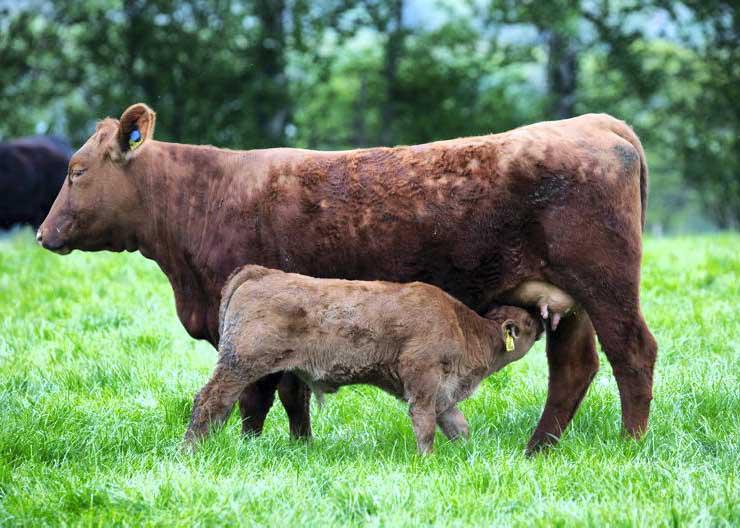
In the beef sector, reducing finishing age and improving lifetime performance remain priorities.
Dairy farmers are focusing on improving nutrient use efficiency, and the quality of both dairy beef calves and genetic merit of replacements.
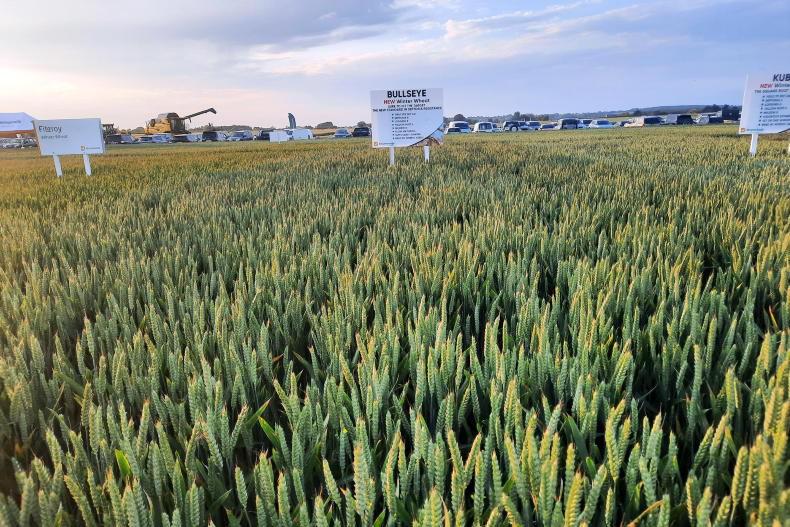
Tillage farmers are expanding the use of organic manures, cover crops and straw incorporation, supported by targeted schemes.
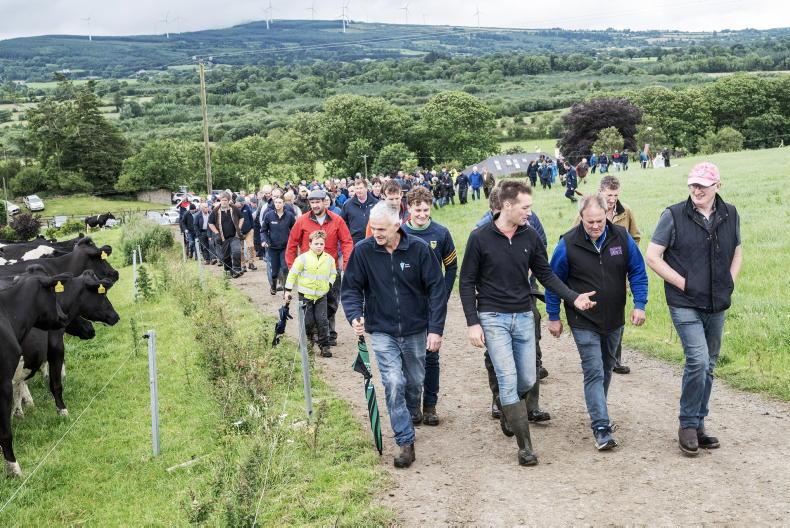
Collaboration has been central to progress. The Signpost Farms Programme, involving partnerships with co-ops, other industry stakeholders and farmers, provides opportunities for the demonstration of practical, science-based solutions.
Research work to improve both above ground carbon and soil carbon estimates is ongoing.
A 4.6% reduction since 2018 is encouraging, but achieving a 25% cut by 2030 will require continued advisory support, new technologies, and strong policy backing. Farmers will remain at the heart of the transition.


SHARING OPTIONS