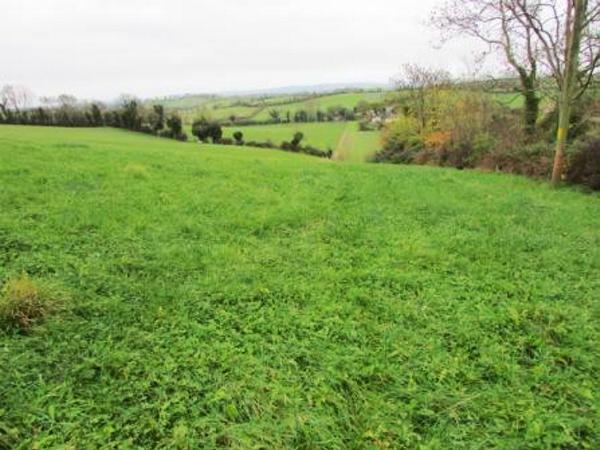
Store cattle have now been housed five weeks. We had a high closing farm cover of 1,000 kg/dm ha, which some would say is too high. We always find it an advantage in the spring time. We have a very dry farm and a turn out on 1 March is usually possible. These heavy covers are rarely a problem once they are grazed out bare in first round. The growth has been exceptional in the last couple weeks and even paddocks that have been grazed out have seen exceptional regrowth.
We have our quota of cattle purchased that we are going to feed over the winter. The cattle that were purchased ranged in weight from 430-520kgs. We started to buy in September and these animals were grazing on red clover after-grass until 1 November so should have gained considerable weight in that period. All cattle will be weighted before Christmas so any animals that have not gained sufficient weight will then be given preferential treatment and investigated for any underlying issues.
On entering the farm, cattle received Ivermectin injection and were vaccinated for blackleg. Before housing all cattle were treated for lice and tails were clipped. Then six weeks after housing cattle will be treated for mature liver fluke and rumen fluke usually with Levafas Diamond.
ADVERTISEMENT
We have treated for rumen fluke for the past three years and have seen a significant increase in performance since we started to treat for it.
All cattle we purchase come from areas of marginal land so the instances of fluke infestation can be high.
Recently on social media, the discussion arose of the use of vaccines. On this farm we only vaccinate for blackleg and never found the need to vaccinate for other viruses such as IBR. However, some people suggested that I could be experiencing a certain amount of loss in daily liveweight gain at times of stress such as housing. Our system of purchasing animals for finishing leaves us very vulnerable to importing a wide variety of viruses. Hopefully with the implementation of eradication programmes the level of disease present on farms should become lower, however reports of a high percentage of PIs been retained is alarming and leaves the whole BVD eradication programme in limbo and for beef finishers still leaves them open to a high importation of diseases.
Register for free to read this story and our free stories.
This content is available to digital subscribers and loyalty code users only. Sign in to your account, use the code or subscribe to get unlimited access.
The reader loyalty code gives you full access to the site from when you enter it until the following Wednesday at 9pm. Find your unique code on the back page of Irish Country Living every week.
CODE ACCEPTED
You have full access to the site until next Wednesday at 9pm.
CODE NOT VALID
Please try again or contact support.
Store cattle have now been housed five weeks. We had a high closing farm cover of 1,000 kg/dm ha, which some would say is too high. We always find it an advantage in the spring time. We have a very dry farm and a turn out on 1 March is usually possible. These heavy covers are rarely a problem once they are grazed out bare in first round. The growth has been exceptional in the last couple weeks and even paddocks that have been grazed out have seen exceptional regrowth.
We have our quota of cattle purchased that we are going to feed over the winter. The cattle that were purchased ranged in weight from 430-520kgs. We started to buy in September and these animals were grazing on red clover after-grass until 1 November so should have gained considerable weight in that period. All cattle will be weighted before Christmas so any animals that have not gained sufficient weight will then be given preferential treatment and investigated for any underlying issues.
On entering the farm, cattle received Ivermectin injection and were vaccinated for blackleg. Before housing all cattle were treated for lice and tails were clipped. Then six weeks after housing cattle will be treated for mature liver fluke and rumen fluke usually with Levafas Diamond.
We have treated for rumen fluke for the past three years and have seen a significant increase in performance since we started to treat for it.
All cattle we purchase come from areas of marginal land so the instances of fluke infestation can be high.
Recently on social media, the discussion arose of the use of vaccines. On this farm we only vaccinate for blackleg and never found the need to vaccinate for other viruses such as IBR. However, some people suggested that I could be experiencing a certain amount of loss in daily liveweight gain at times of stress such as housing. Our system of purchasing animals for finishing leaves us very vulnerable to importing a wide variety of viruses. Hopefully with the implementation of eradication programmes the level of disease present on farms should become lower, however reports of a high percentage of PIs been retained is alarming and leaves the whole BVD eradication programme in limbo and for beef finishers still leaves them open to a high importation of diseases.
If you would like to speak to a member of our team, please call us on 01-4199525.
Link sent to your email address
We have sent an email to your address. Please click on the link in this email to reset your password. If you can't find it in your inbox, please check your spam folder. If you can't find the email, please call us on 01-4199525.
ENTER YOUR LOYALTY CODE:
The reader loyalty code gives you full access to the site from when you enter it until the following Wednesday at 9pm. Find your unique code on the back page of Irish Country Living every week.





SHARING OPTIONS