‘In Ireland, we’re very good at funerals. We’re very good at giving people a send-off. But we’re not very good at death as a concept. We’re not good at talking about it. We feel like it’s contagious. Like if you talk about it, you’re inviting it onto your doorstep.”
Those are the words of Liz Clancy, and she would know. The Drogheda native works as a funeral celebrant, death doula and undertaker – “the full trifecta of death” – as she jokingly describes it.
It was officiating at the funeral of her husband Kevin, who died from bowel cancer six years ago, that led Liz to completely change her career and qualify as a funeral celebrant, and later as an undertaker and a death doula.
A death doula is someone who meets with the family of the deceased, goes through their options and offers them practical supports before, during and after the death of their loved one.
Liz says she was motivated by the question: What do people do when they don’t want a priest at a funeral, or they don’t want the traditional Irish Catholic funeral?
“The options I was given at the time of my husband’s funeral were ‘what church do you want to go to?’ And in a moment of insanity, and because I didn’t want the word priest to be mentioned one more time, I asked if I could just do his service in the crematorium. And they said yes. So I ended up officiating his funeral myself.
“When people are coming in to me to arrange a funeral, the first thing I ask them is, have they done this before? And nine times out of 10, the answer is no. People have no clue where to start and to be able to sit them down and almost take them by the hand and guide them through the next few days, that’s a privilege,” she remarks.
“No offence to my previous job (as a personal assistant) but it wasn’t meaningful. Whereas now I feel like what I’m doing is actually important, especially to families coming in the door.”
Celebrating life
Being so closely acquainted with death and dying could be (let’s face it) depressing. But Liz says “it focuses the mind on what’s important”, a point of view that is echoed by her friend and colleague Sarah Gardiner, who also works as a funeral celebrant and death doula. Sarah, who is from Dunleer, Co Louth, says that her work reminds her to “live with a full heart”.
Sarah has held funerals in people’s homes, in function rooms of hotels, in gardens, graveyards or wherever might be meaningful to the family.
“I’ve had funerals where there are dogs in the crematorium because they love their dogs so much, or somebody really liked rave music, so we’ve had glow sticks. We’ve had funerals where it’s very sombre and very
solemn. It’s very much about what the family need, what the person wants, what are their beliefs.
People have no clue where to start and to be able to sit them down and almost take them by the hand and guide them through the next few days, that’s a privilege
“I believe one of the best gifts for families is to leave them prepared,” she says. “There’s no other way to say it. It’s about giving that gift of reassurance to your family that if something does happen and they’re in the height of grief and tired and emotional, they don’t have to be deciding about flowers. It’s one of the greatest acts of love.
“I think particularly sometimes if a family doesn’t see eye to eye and are a bit fractured, it’s really important for the few wishes to be left behind. It means there’s no ‘this is what Mammy would have wanted’ type scenarios.”
Planning means having a basic idea of what you want for your funeral. Do you want a cremation or a burial? Do you want a civil funeral or a church funeral? What kind of music would you like? What do you want to wear? Do you want to be laid out in a funeral home or at home?
“People don’t realise when they go into a funeral director to organise a funeral, there is so much involved. And that’s not even to start talking about the amount of work afterwards with getting death certificates organised and closing accounts.
“If you’ve organised a wedding or a big party, you know the amount of detail that goes into that.
“A funeral basically is large event planning,” says Sarah.
Joe Grogan of Joseph Grogan Funeral Directors believes that people are more proactively planning their funerals since the pandemic. A second-generation undertaker in Tuam Co Galway, Joe took over the family business from his father in 1989.
He says that the fact families are split up around the country or across continents means people are putting their wishes down on paper “to give an idea of what they want”.
“Cremation has come into come into play a lot lately,” Joe continues, “there’s people who are anxious to plan their funeral so that if they want to be cremated, they’ll speak to the family members to make sure they understand their wishes.”
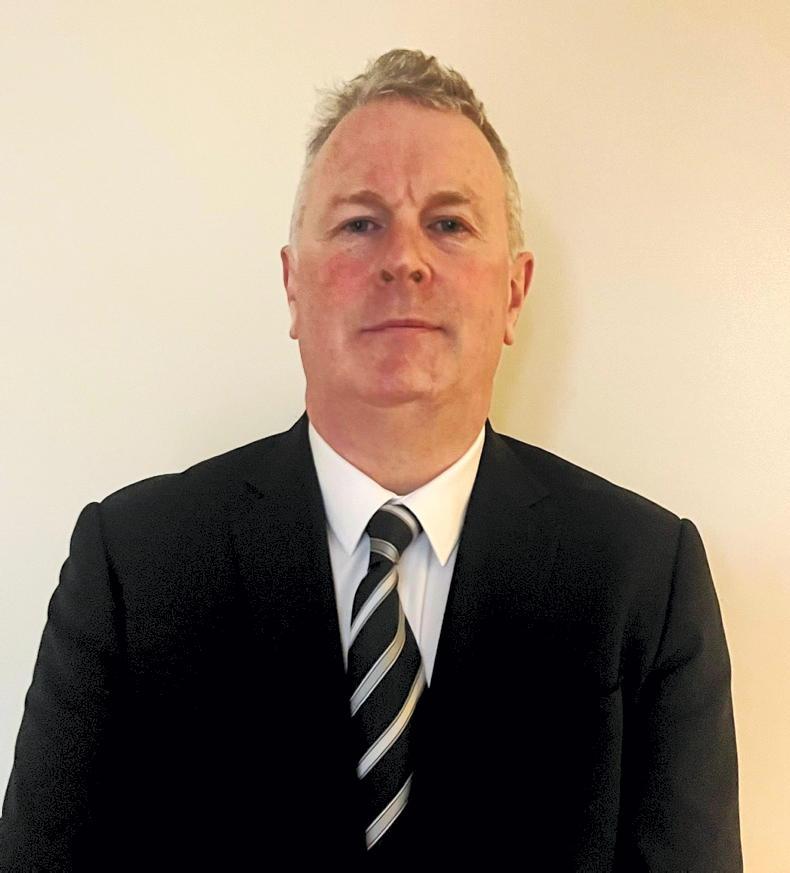
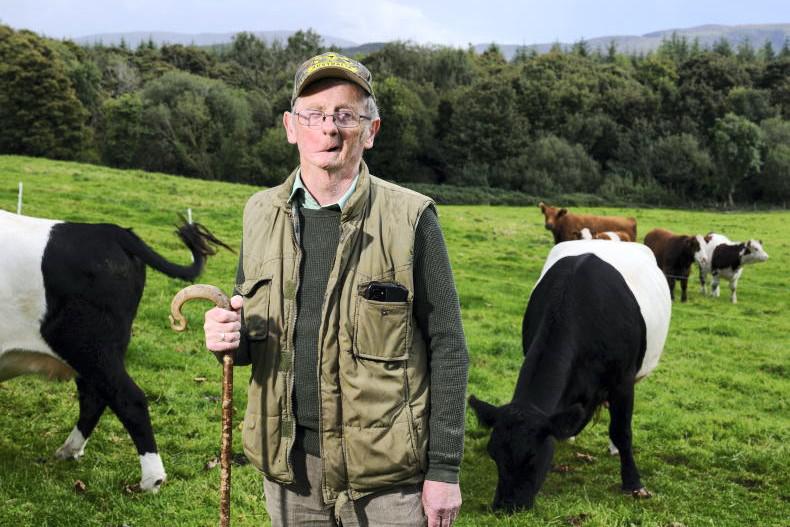
Joe Grogan is a second generation funeral undertaker.
Joe estimates people spend anywhere from about €3,500-€5,000 on funerals depending on circumstances. “The price of a single grave here in Tuam is €385, and a double grave is €726. If you’re going to go to Galway city, the cost will double. If you go to Dublin, you’ll double that again.
“If you want music in the church, it can be €400 for a soloist, all those little things will add on. [Prices vary] depending on the coffin you choose, whether it be a standard coffin, or something like a casket with bells and whistles.”
Regrets on your deathbed
Liz and Sarah founded the Drogheda Death Café, which runs about four or five times a year. “We create a space where people come and talk about anything, including what might be on your bucket list.” Last year, Sarah ticked skydiving off her own bucket list.
When Irish Country Living asked the two death doulas what people most regretted at the end of their life, their response was that the biggest regrets are usually something around people and time. “Not spending as much time with people as I should have,” says Sarah. “You hear older people say, I wish I’d spent as much time with my kids as I did with my grandchildren. We all need to work to live but nobody ever says, ‘I regret not working harder.’
“Nobody is going to regret that they didn’t work more,” Liz agrees. “They’re going to regret that they didn’t travel or they didn’t go do a thing that might have been on their bucket list, like go to the Great Wall of China, and they never went because they were putting it off until they retired.
“I think those are the regrets that people have. The things that they thought they would have time to do. They waited and waited, or they prioritised a career or having a family. What people never realise is that tomorrow is not guaranteed. The next hour isn’t guaranteed. Nothing is guaranteed except what we have now. So what are we waiting for?”
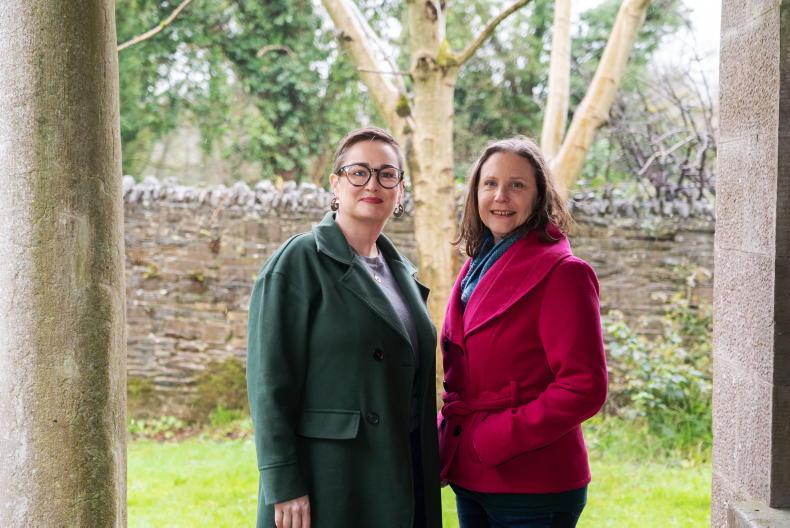
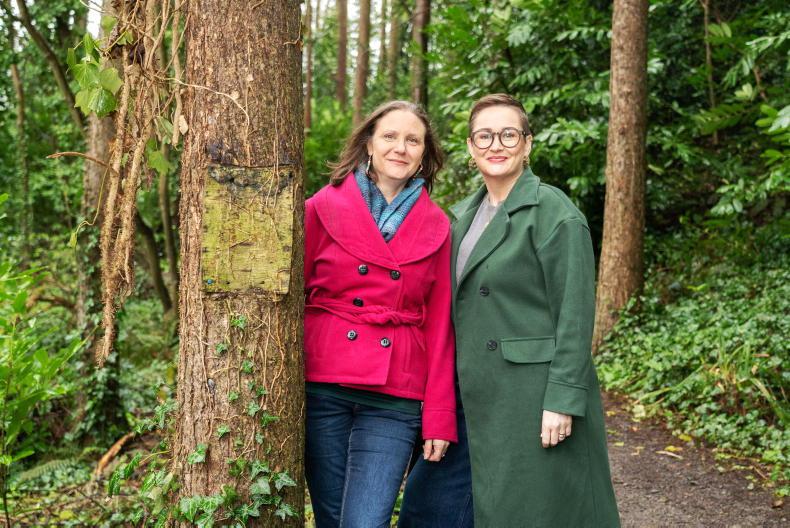
Sarah Gardiner and and Liza Clancy who are death doulas photographed outside Drogheda, Co Louth. \ Barry Cronin
Contact Sarah Gardiner at echoesoflife.ie; and Liz Clancy is available at
lifecelebrations.ie
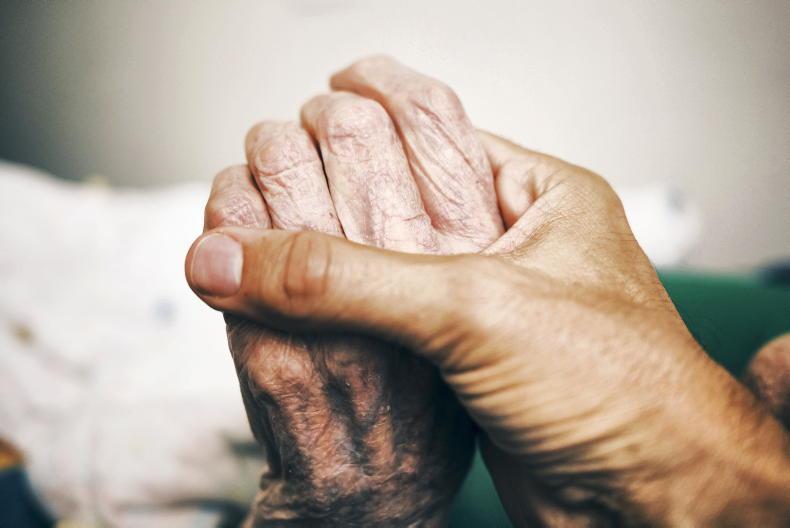
One of the best gifts for families is to leave them prepared. \iStock
The Irish Hospice Foundation has a Think Ahead Planning Pack available to download on their website. It is a practical tool for advance care planning and end of life. You can request a planning pack be posted to your home. See hospicefoundation.ie
In partnership with the HSE, the Irish Hospice Foundation run a Bereavement Support Line to provide support to people who have experienced bereavement or are grieving. It is a national freephone service 1800 807077 available from 10am to 1pm, Monday to Friday.
For a full list of bereavement services in Ireland, visit the HSE website. See more hse.ie/mental-health/services-support/bereavement/
Sarah Gardiner, trained as a death doula with the international organisation, Death Wives. For more information see deathwives.org
‘In Ireland, we’re very good at funerals. We’re very good at giving people a send-off. But we’re not very good at death as a concept. We’re not good at talking about it. We feel like it’s contagious. Like if you talk about it, you’re inviting it onto your doorstep.”
Those are the words of Liz Clancy, and she would know. The Drogheda native works as a funeral celebrant, death doula and undertaker – “the full trifecta of death” – as she jokingly describes it.
It was officiating at the funeral of her husband Kevin, who died from bowel cancer six years ago, that led Liz to completely change her career and qualify as a funeral celebrant, and later as an undertaker and a death doula.
A death doula is someone who meets with the family of the deceased, goes through their options and offers them practical supports before, during and after the death of their loved one.
Liz says she was motivated by the question: What do people do when they don’t want a priest at a funeral, or they don’t want the traditional Irish Catholic funeral?
“The options I was given at the time of my husband’s funeral were ‘what church do you want to go to?’ And in a moment of insanity, and because I didn’t want the word priest to be mentioned one more time, I asked if I could just do his service in the crematorium. And they said yes. So I ended up officiating his funeral myself.
“When people are coming in to me to arrange a funeral, the first thing I ask them is, have they done this before? And nine times out of 10, the answer is no. People have no clue where to start and to be able to sit them down and almost take them by the hand and guide them through the next few days, that’s a privilege,” she remarks.
“No offence to my previous job (as a personal assistant) but it wasn’t meaningful. Whereas now I feel like what I’m doing is actually important, especially to families coming in the door.”
Celebrating life
Being so closely acquainted with death and dying could be (let’s face it) depressing. But Liz says “it focuses the mind on what’s important”, a point of view that is echoed by her friend and colleague Sarah Gardiner, who also works as a funeral celebrant and death doula. Sarah, who is from Dunleer, Co Louth, says that her work reminds her to “live with a full heart”.
Sarah has held funerals in people’s homes, in function rooms of hotels, in gardens, graveyards or wherever might be meaningful to the family.
“I’ve had funerals where there are dogs in the crematorium because they love their dogs so much, or somebody really liked rave music, so we’ve had glow sticks. We’ve had funerals where it’s very sombre and very
solemn. It’s very much about what the family need, what the person wants, what are their beliefs.
People have no clue where to start and to be able to sit them down and almost take them by the hand and guide them through the next few days, that’s a privilege
“I believe one of the best gifts for families is to leave them prepared,” she says. “There’s no other way to say it. It’s about giving that gift of reassurance to your family that if something does happen and they’re in the height of grief and tired and emotional, they don’t have to be deciding about flowers. It’s one of the greatest acts of love.
“I think particularly sometimes if a family doesn’t see eye to eye and are a bit fractured, it’s really important for the few wishes to be left behind. It means there’s no ‘this is what Mammy would have wanted’ type scenarios.”
Planning means having a basic idea of what you want for your funeral. Do you want a cremation or a burial? Do you want a civil funeral or a church funeral? What kind of music would you like? What do you want to wear? Do you want to be laid out in a funeral home or at home?
“People don’t realise when they go into a funeral director to organise a funeral, there is so much involved. And that’s not even to start talking about the amount of work afterwards with getting death certificates organised and closing accounts.
“If you’ve organised a wedding or a big party, you know the amount of detail that goes into that.
“A funeral basically is large event planning,” says Sarah.
Joe Grogan of Joseph Grogan Funeral Directors believes that people are more proactively planning their funerals since the pandemic. A second-generation undertaker in Tuam Co Galway, Joe took over the family business from his father in 1989.
He says that the fact families are split up around the country or across continents means people are putting their wishes down on paper “to give an idea of what they want”.
“Cremation has come into come into play a lot lately,” Joe continues, “there’s people who are anxious to plan their funeral so that if they want to be cremated, they’ll speak to the family members to make sure they understand their wishes.”
Joe Grogan is a second generation funeral undertaker.
Joe estimates people spend anywhere from about €3,500-€5,000 on funerals depending on circumstances. “The price of a single grave here in Tuam is €385, and a double grave is €726. If you’re going to go to Galway city, the cost will double. If you go to Dublin, you’ll double that again.
“If you want music in the church, it can be €400 for a soloist, all those little things will add on. [Prices vary] depending on the coffin you choose, whether it be a standard coffin, or something like a casket with bells and whistles.”
Regrets on your deathbed
Liz and Sarah founded the Drogheda Death Café, which runs about four or five times a year. “We create a space where people come and talk about anything, including what might be on your bucket list.” Last year, Sarah ticked skydiving off her own bucket list.
When Irish Country Living asked the two death doulas what people most regretted at the end of their life, their response was that the biggest regrets are usually something around people and time. “Not spending as much time with people as I should have,” says Sarah. “You hear older people say, I wish I’d spent as much time with my kids as I did with my grandchildren. We all need to work to live but nobody ever says, ‘I regret not working harder.’
“Nobody is going to regret that they didn’t work more,” Liz agrees. “They’re going to regret that they didn’t travel or they didn’t go do a thing that might have been on their bucket list, like go to the Great Wall of China, and they never went because they were putting it off until they retired.
“I think those are the regrets that people have. The things that they thought they would have time to do. They waited and waited, or they prioritised a career or having a family. What people never realise is that tomorrow is not guaranteed. The next hour isn’t guaranteed. Nothing is guaranteed except what we have now. So what are we waiting for?”
Sarah Gardiner and and Liza Clancy who are death doulas photographed outside Drogheda, Co Louth. \ Barry Cronin
Contact Sarah Gardiner at echoesoflife.ie; and Liz Clancy is available at
lifecelebrations.ie
One of the best gifts for families is to leave them prepared. \iStock
The Irish Hospice Foundation has a Think Ahead Planning Pack available to download on their website. It is a practical tool for advance care planning and end of life. You can request a planning pack be posted to your home. See hospicefoundation.ie
In partnership with the HSE, the Irish Hospice Foundation run a Bereavement Support Line to provide support to people who have experienced bereavement or are grieving. It is a national freephone service 1800 807077 available from 10am to 1pm, Monday to Friday.
For a full list of bereavement services in Ireland, visit the HSE website. See more hse.ie/mental-health/services-support/bereavement/
Sarah Gardiner, trained as a death doula with the international organisation, Death Wives. For more information see deathwives.org





SHARING OPTIONS