COVID-19 is a bit like Brexit. No one wants to talk about it anymore. For more than two years, we heard about COVID-19 every day. Now, it’s as if the pendulum has swung the other way and people are averse to the very mention of the infection. While the world has moved on however, the lives of people with long COVID have been put on hold.
According to a spokesperson from the HSE press office, “long COVID is a likely diagnosis if the person has had SARS CoV-2 (COVID-19) infection” – SARS-CoV-2 is the name of the virus that causes COVID-19 – “and they still has symptoms three months or more after that infection, and there is no other cause for the symptoms.” It is diagnosed by taking into account a patient’s symptoms and medical history.
Research studies have shown that there are over 200 long COVID symptoms; the most common ones include fatigue, brain fog, shortness of breath, neurological problems and pain in the joints.
Liam O’Mahony, Professor of Immunology at UCC is one of the top long COVID researchers in the country. He researches people who have persistent or dysregulated immune activation for a long time after the SARS-CoV-2 virus.
“There’s very little awareness and appreciation for how serious long COVID is,” says Professor O’Mahony. Part of the reason is because long COVID is “a very hidden disease,” he explains.
“Because people get this debilitating fatigue and brain fog, they kind of disappear from life and we don’t see them.
“Some people have reduced long COVID to a religion,” Professor O’Mahony continues. “Do I believe in it or not?
“Nobody would say that I don’t believe in cancer. With long COVID, you have a demonstrable set of symptoms in someone who is sick and is correlated with having an infection with a virus.
“Long COVID is real, it does exist and that there are long-term consequences to viral infections.”
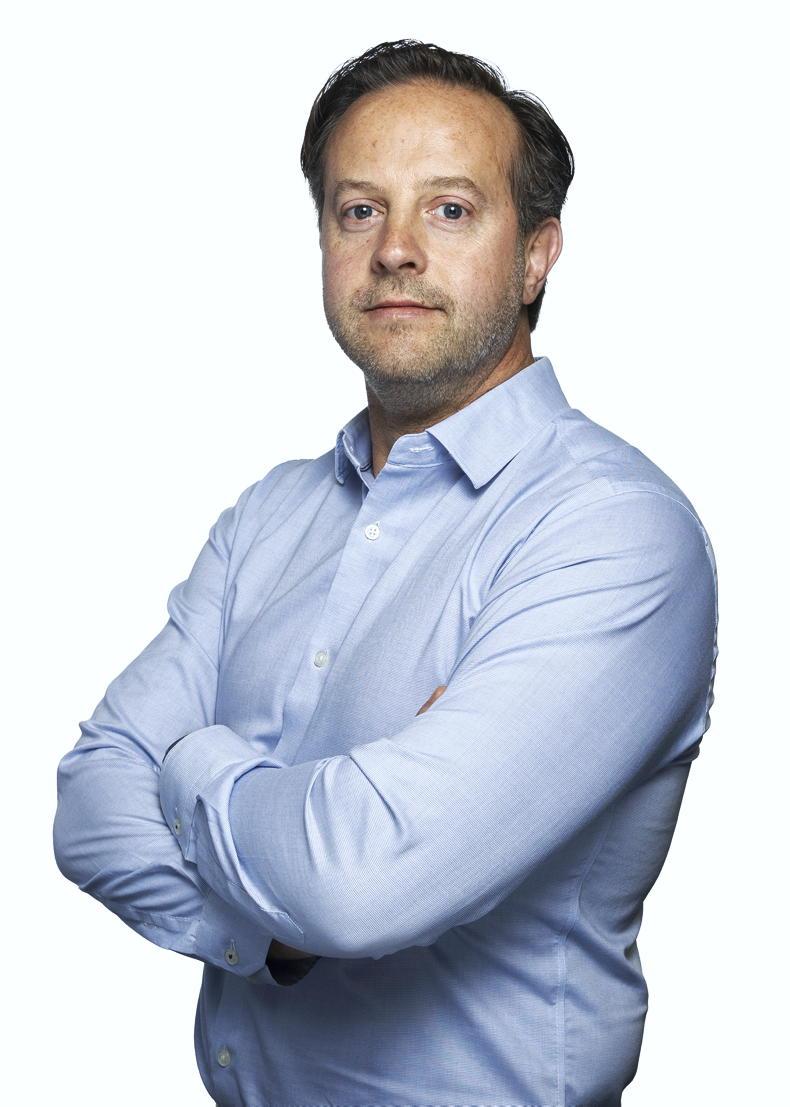
Professor O'Mahony of UCC.
Experience of long COVID
Irish Country Living spoke to 24-year-old Ella* who is living with the long-term consequences that Professor O’Mahony describes. Residing in Cork, Ella had to drop out of college because her symptoms are so severe.
“To put it plainly, long COVID has shattered every single aspect of my life,” she says.
“I was a normal 19-year-old who went from a full, active life to catching COVID-19 and having to move back to my childhood bedroom where my symptoms forced me to spend 24 hours a day lying in a dark room, unable to do so much as sit up.”
When Ella contracted COVID-19 in 2021, she was like any other young person: studying, working part-time, living with friends and socialising.
“Immediately after getting COVID-19, I developed debilitating fatigue, exercise intolerance, balance issues, numbness and tingling limbs, nerve pain, chronic daily head pressure, brain fog, racing heart, breathlessness, chronic joint pain, muscle weakness and many more symptons,” she says.
By 2022, Ella’s long COVID became severe. “I became bedbound, unable to do so much as lift my head off a pillow or lift a cup of water to my mouth some days. Severe light sensitivity meant I couldn’t tolerate even a crack in the blinds some days. I went from doing 10,000 steps a day in college to losing my ability to stand or walk independently. I had to move back home so my parents could care for me and defer my college place, figuring I just needed a few months off and I would be fine again.”
A few months turned into three years. After being dismissed as an “anxious young woman”, Ella was eventually diagnosed with various post-COVID issues impacting her heart, immune system and nervous system.
“I was medicated and started on treatment which eventually helped me go from bedbound to primarily housebound.”
Ella spends 95% of the year in the house. “On a good day I can go out for a coffee. It is impossible to describe how depressingly small and isolating your world becomes when you have severe long COVID.”
Could happen to anyone
Many of the people living with the condition were fit and healthy beforehand. Long COVID Advocacy Ireland (LCAI), the patient voice of sufferers in Ireland, emphasises that long COVID can affect anyone, regardless of health or fitness prior to the infection.
Pamela Morrison of LCAI tells Irish Country Living: “We know that the impact to our health from COVID infection is cumulative, it isn’t prejudiced, it doesn’t care about how healthy you believe yourself to be or what age you are. One of our aims at LCAI is to challenge the lack of awareness of long COVID, and the risks it poses to health.
“We know that the virus is airborne, mutates rapidly and that every infection increases the risk of getting the disease.
“The only way to guarantee not getting long COVID is to not get infected with COVID-19, but so many still don’t understand the risk to their health and the consequences. It has been nearly six years, we know a lot more now, yet there has still been no public awareness campaign.
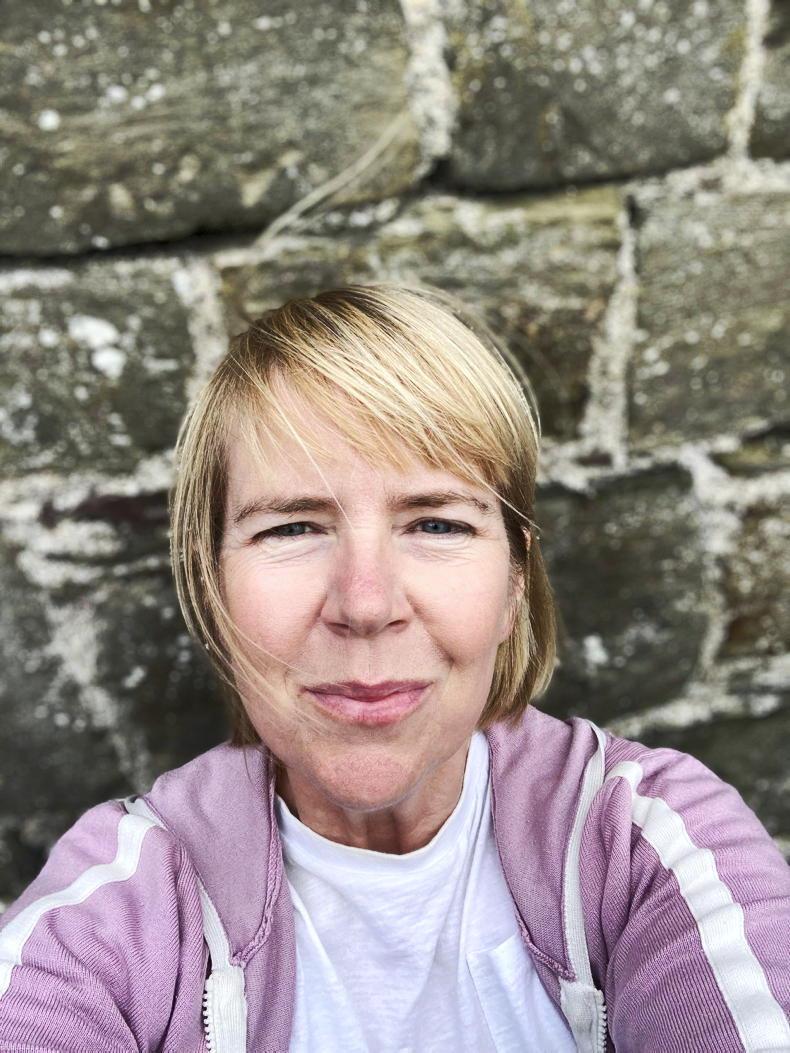
Pam Morrison of Long COVID Advocacy Ireland.
“LCAI would like to ask ‘why?’ when 16% of the population is suffering from long COVID, according to the 2024 HSE Follow-up After Disease Acquisition survey examining the long-term impact of COVID-19.
“Without action to raise awareness by public health and the Government, more people will be living with long COVID.”
There is currently no cure for long COVID, and what works for one patient may not work for another. However, minimising ultra-processed food, maximising the diversity of fibre-containing foods like fruit, vegetables, legumes and nuts, and getting plenty of sleep can help with management of the condition.
As does ‘pacing’, which means balancing your activities with rest throughout the day to reserve energy.
The HSE told Irish Country Living: “Care needs to be personalised. For many patients, the rehabilitation approach has been shown to be the best treatment in multiple studies so far.”
When it comes to countering long COVID from a policy perspective, LCAI are calling for the Government to reduce the impact of airborne viruses.
“The Lord Mayor of London has just launched a £2.7m/€3.063m programme to improve clean air in schools by installing Hepa Filters in classrooms. We would like to see the Government get behind, fund and spend for safer, cleaner, healthier environments in places of education and care, initially starting with schools, hospitals, GP surgeries, and care homes and then in public spaces and places where people gather,” says Pamela.
Clean Air Advocacy Ireland have bolstered LCAI’s calls for cleaner air.
“Ventilation systems in schools and healthcare need to be upgraded urgently, but there is no urgency on this issue from Government,” a spokesperson says.
“If half of the effort or money that has gone into ‘School Attendance’ publicity campaigns had been spent instead on improving indoor air quality in schools, we might actually be seeing a reduction in school absences – the primary cause of which is illness, and many of those illnesses are airborne in nature.”
* Name has been changed to protect the anonymity of the individual.
- Most people make a recovery from COVID-19. However, for people with long COVID, the symptoms persist for months after the infection. Symptoms often restrict or severely impact a person’s daily life.
Symptoms vary from patient to patient but common ones include: fatigue, shortness of breath, chest pain, brain fog, heart palpitations. The exact number of people living with long COVID in Ireland is unknown. There are six long COVID clinics in the country. Three of the clinics are based in Dublin: Beaumont Hospital, St James’ Hospital and St Vincent’s Hospital. There are three other clinics to service the rest of the country: Cork University Hospital, University Hospital Limerick, and University Hospital Galway. Long COVID Advocacy Ireland visit longcovidadvocacyireland.com The HSE has advice on their website. Visit .ie/conditions/covid19/long-covid
COVID-19 is a bit like Brexit. No one wants to talk about it anymore. For more than two years, we heard about COVID-19 every day. Now, it’s as if the pendulum has swung the other way and people are averse to the very mention of the infection. While the world has moved on however, the lives of people with long COVID have been put on hold.
According to a spokesperson from the HSE press office, “long COVID is a likely diagnosis if the person has had SARS CoV-2 (COVID-19) infection” – SARS-CoV-2 is the name of the virus that causes COVID-19 – “and they still has symptoms three months or more after that infection, and there is no other cause for the symptoms.” It is diagnosed by taking into account a patient’s symptoms and medical history.
Research studies have shown that there are over 200 long COVID symptoms; the most common ones include fatigue, brain fog, shortness of breath, neurological problems and pain in the joints.
Liam O’Mahony, Professor of Immunology at UCC is one of the top long COVID researchers in the country. He researches people who have persistent or dysregulated immune activation for a long time after the SARS-CoV-2 virus.
“There’s very little awareness and appreciation for how serious long COVID is,” says Professor O’Mahony. Part of the reason is because long COVID is “a very hidden disease,” he explains.
“Because people get this debilitating fatigue and brain fog, they kind of disappear from life and we don’t see them.
“Some people have reduced long COVID to a religion,” Professor O’Mahony continues. “Do I believe in it or not?
“Nobody would say that I don’t believe in cancer. With long COVID, you have a demonstrable set of symptoms in someone who is sick and is correlated with having an infection with a virus.
“Long COVID is real, it does exist and that there are long-term consequences to viral infections.”
Professor O'Mahony of UCC.
Experience of long COVID
Irish Country Living spoke to 24-year-old Ella* who is living with the long-term consequences that Professor O’Mahony describes. Residing in Cork, Ella had to drop out of college because her symptoms are so severe.
“To put it plainly, long COVID has shattered every single aspect of my life,” she says.
“I was a normal 19-year-old who went from a full, active life to catching COVID-19 and having to move back to my childhood bedroom where my symptoms forced me to spend 24 hours a day lying in a dark room, unable to do so much as sit up.”
When Ella contracted COVID-19 in 2021, she was like any other young person: studying, working part-time, living with friends and socialising.
“Immediately after getting COVID-19, I developed debilitating fatigue, exercise intolerance, balance issues, numbness and tingling limbs, nerve pain, chronic daily head pressure, brain fog, racing heart, breathlessness, chronic joint pain, muscle weakness and many more symptons,” she says.
By 2022, Ella’s long COVID became severe. “I became bedbound, unable to do so much as lift my head off a pillow or lift a cup of water to my mouth some days. Severe light sensitivity meant I couldn’t tolerate even a crack in the blinds some days. I went from doing 10,000 steps a day in college to losing my ability to stand or walk independently. I had to move back home so my parents could care for me and defer my college place, figuring I just needed a few months off and I would be fine again.”
A few months turned into three years. After being dismissed as an “anxious young woman”, Ella was eventually diagnosed with various post-COVID issues impacting her heart, immune system and nervous system.
“I was medicated and started on treatment which eventually helped me go from bedbound to primarily housebound.”
Ella spends 95% of the year in the house. “On a good day I can go out for a coffee. It is impossible to describe how depressingly small and isolating your world becomes when you have severe long COVID.”
Could happen to anyone
Many of the people living with the condition were fit and healthy beforehand. Long COVID Advocacy Ireland (LCAI), the patient voice of sufferers in Ireland, emphasises that long COVID can affect anyone, regardless of health or fitness prior to the infection.
Pamela Morrison of LCAI tells Irish Country Living: “We know that the impact to our health from COVID infection is cumulative, it isn’t prejudiced, it doesn’t care about how healthy you believe yourself to be or what age you are. One of our aims at LCAI is to challenge the lack of awareness of long COVID, and the risks it poses to health.
“We know that the virus is airborne, mutates rapidly and that every infection increases the risk of getting the disease.
“The only way to guarantee not getting long COVID is to not get infected with COVID-19, but so many still don’t understand the risk to their health and the consequences. It has been nearly six years, we know a lot more now, yet there has still been no public awareness campaign.
Pam Morrison of Long COVID Advocacy Ireland.
“LCAI would like to ask ‘why?’ when 16% of the population is suffering from long COVID, according to the 2024 HSE Follow-up After Disease Acquisition survey examining the long-term impact of COVID-19.
“Without action to raise awareness by public health and the Government, more people will be living with long COVID.”
There is currently no cure for long COVID, and what works for one patient may not work for another. However, minimising ultra-processed food, maximising the diversity of fibre-containing foods like fruit, vegetables, legumes and nuts, and getting plenty of sleep can help with management of the condition.
As does ‘pacing’, which means balancing your activities with rest throughout the day to reserve energy.
The HSE told Irish Country Living: “Care needs to be personalised. For many patients, the rehabilitation approach has been shown to be the best treatment in multiple studies so far.”
When it comes to countering long COVID from a policy perspective, LCAI are calling for the Government to reduce the impact of airborne viruses.
“The Lord Mayor of London has just launched a £2.7m/€3.063m programme to improve clean air in schools by installing Hepa Filters in classrooms. We would like to see the Government get behind, fund and spend for safer, cleaner, healthier environments in places of education and care, initially starting with schools, hospitals, GP surgeries, and care homes and then in public spaces and places where people gather,” says Pamela.
Clean Air Advocacy Ireland have bolstered LCAI’s calls for cleaner air.
“Ventilation systems in schools and healthcare need to be upgraded urgently, but there is no urgency on this issue from Government,” a spokesperson says.
“If half of the effort or money that has gone into ‘School Attendance’ publicity campaigns had been spent instead on improving indoor air quality in schools, we might actually be seeing a reduction in school absences – the primary cause of which is illness, and many of those illnesses are airborne in nature.”
* Name has been changed to protect the anonymity of the individual.
- Most people make a recovery from COVID-19. However, for people with long COVID, the symptoms persist for months after the infection. Symptoms often restrict or severely impact a person’s daily life.
Symptoms vary from patient to patient but common ones include: fatigue, shortness of breath, chest pain, brain fog, heart palpitations. The exact number of people living with long COVID in Ireland is unknown. There are six long COVID clinics in the country. Three of the clinics are based in Dublin: Beaumont Hospital, St James’ Hospital and St Vincent’s Hospital. There are three other clinics to service the rest of the country: Cork University Hospital, University Hospital Limerick, and University Hospital Galway. Long COVID Advocacy Ireland visit longcovidadvocacyireland.com The HSE has advice on their website. Visit .ie/conditions/covid19/long-covid 








SHARING OPTIONS