Hedgerows Ireland has encouraged farmers to be mindful of their methods of hedge management, as it voiced concern over a “growing trend for reducing the height and width of mature hedgerows with the use of heavy mulching heads on track”.
The hedgerows group said that the move towards heavier mulching was at least partially driven by the ban on burning green waste, such as cut hedgerow material, that entered force in November 2023.
Taking too much material off hedges or significantly reducing a hedge’s height by mulching risks causing permanent damage to hedgerows, the group warned.
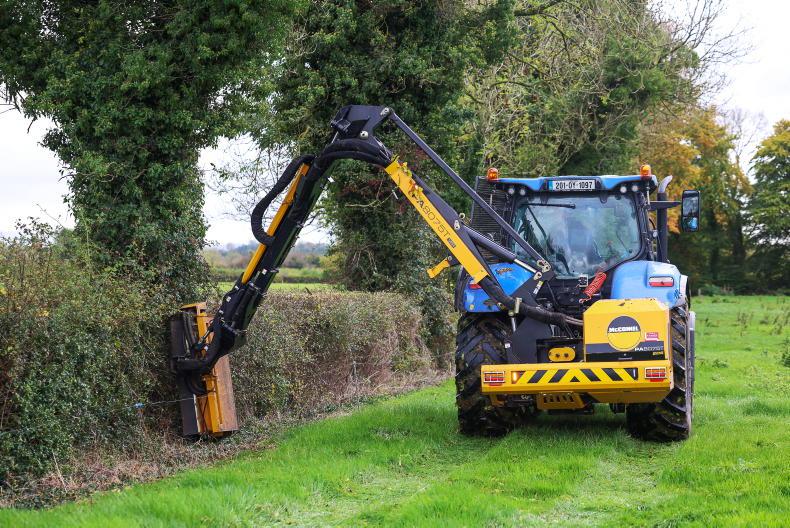
“Some contractors now offer the services of heavy-duty mulching heads which can reduce tall hedges to a very low height,” secretary of Hedgerows Ireland Alan Moore said.
“The problem with this method is that it leaves a very rough finish, but far more importantly it can have a very seriously negative effect on hedge health with sometimes permanent damage to the integrity of the bushes.
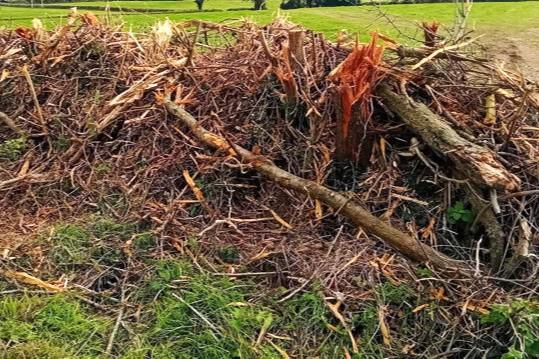
“The mulching head causes shattering and splitting of stems allowing disease and rot to enter with significant risk of plant death and a resulting poor-quality hedge.
“This has knock-on effects on the farm, the wider landscape and a huge negative impact on wildlife.”
Hedgerows Ireland stated that while biodiversity benefits of healthy hedges are obvious, they can provide other positives for farmers.
It pointed to significant protection against flooding, shade for livestock, water quality improvements, disease control and carbon storage as among the benefits of hedgerows to farmers.
Guidelines
Hedgerows Ireland has issued advice for farmers to bear in mind when managing their hedges, although it noted that generic guidelines are “notoriously difficult to reduce to a list of dos and don'ts, as every hedge is different and one size doesn't fit all”.
The recommendations include:
Trimming some hedges into an A shape with a 10cm higher cutting height each year. The wide base narrowing towards the top will boost hedge health and prevent hedges from deteriorating through repeat cutting at the growth point. Leaving intermittent bushes to grow into trees, as this will allow flowers and berries to grow, as well as providing perches for bird life.Allowing some hedges or some sides of hedges to grow uncut for up to three years to further encourage the growth of flowers, fruit, berries and nuts.Leaving old or ancient hedges uncut or side-trimmed only if some cutting is necessary to maintain heritage and biodiversity value.Rejuvenating gapping by coppicing, laying or replanting gaps. However, the group noted that these are “quite drastic” management measures, especially for coppicing, that should be carried across no more than 5% of a farm’s hedges in any given year to minimise wildlife disturbance.Keeping an uncultivated land margin along hedges to encourage wild flowers and grasses to add habitats. Avoiding heavy mulching heads for hedge maintenance. Preventing fertiliser and pesticide drift into hedgerows.Delaying some of a farm’s hedge-cutting from the autumn into the winter to allow wildlife to feed on berries and nuts through hungry months.
Hedgerows Ireland has encouraged farmers to be mindful of their methods of hedge management, as it voiced concern over a “growing trend for reducing the height and width of mature hedgerows with the use of heavy mulching heads on track”.
The hedgerows group said that the move towards heavier mulching was at least partially driven by the ban on burning green waste, such as cut hedgerow material, that entered force in November 2023.
Taking too much material off hedges or significantly reducing a hedge’s height by mulching risks causing permanent damage to hedgerows, the group warned.
“Some contractors now offer the services of heavy-duty mulching heads which can reduce tall hedges to a very low height,” secretary of Hedgerows Ireland Alan Moore said.
“The problem with this method is that it leaves a very rough finish, but far more importantly it can have a very seriously negative effect on hedge health with sometimes permanent damage to the integrity of the bushes.
“The mulching head causes shattering and splitting of stems allowing disease and rot to enter with significant risk of plant death and a resulting poor-quality hedge.
“This has knock-on effects on the farm, the wider landscape and a huge negative impact on wildlife.”
Hedgerows Ireland stated that while biodiversity benefits of healthy hedges are obvious, they can provide other positives for farmers.
It pointed to significant protection against flooding, shade for livestock, water quality improvements, disease control and carbon storage as among the benefits of hedgerows to farmers.
Guidelines
Hedgerows Ireland has issued advice for farmers to bear in mind when managing their hedges, although it noted that generic guidelines are “notoriously difficult to reduce to a list of dos and don'ts, as every hedge is different and one size doesn't fit all”.
The recommendations include:
Trimming some hedges into an A shape with a 10cm higher cutting height each year. The wide base narrowing towards the top will boost hedge health and prevent hedges from deteriorating through repeat cutting at the growth point. Leaving intermittent bushes to grow into trees, as this will allow flowers and berries to grow, as well as providing perches for bird life.Allowing some hedges or some sides of hedges to grow uncut for up to three years to further encourage the growth of flowers, fruit, berries and nuts.Leaving old or ancient hedges uncut or side-trimmed only if some cutting is necessary to maintain heritage and biodiversity value.Rejuvenating gapping by coppicing, laying or replanting gaps. However, the group noted that these are “quite drastic” management measures, especially for coppicing, that should be carried across no more than 5% of a farm’s hedges in any given year to minimise wildlife disturbance.Keeping an uncultivated land margin along hedges to encourage wild flowers and grasses to add habitats. Avoiding heavy mulching heads for hedge maintenance. Preventing fertiliser and pesticide drift into hedgerows.Delaying some of a farm’s hedge-cutting from the autumn into the winter to allow wildlife to feed on berries and nuts through hungry months. 






SHARING OPTIONS