


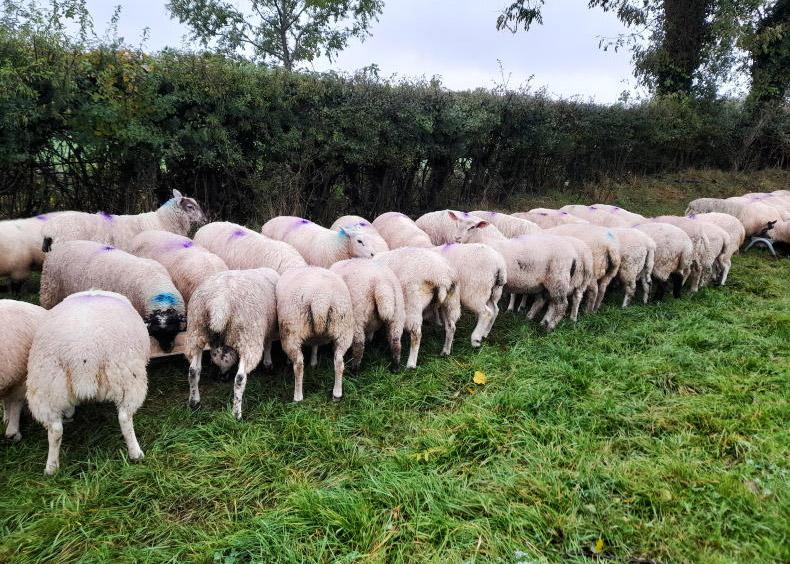
Legislation currently being considered by MLAs at Stormont will make it mandatory for the three main sheep abattoirs in NI to classify sheep carcases and report prices being paid to farmers.
Mandatory carcase classification and price reporting is in place for beef and pigs, which effectively puts a legal onus on abattoirs to apply classification standards correctly, or run the risk of legal action taken by DAERA.
However, in the sheep sector, the same legal powers do not exist.
Instead, a voluntary system has been in operation for many years, whereby ABP Linden, ABP Lurgan and Dunbia do grade sheep carcases and notify prices paid to the Livestock and Meat Commission (LMC).
While DAERA inspectors check sheep grading standards in factories, any feedback they provide is advisory.
Legislation will change that and will also bring NI into line with England, Scotland and Wales, where new rules were made into law towards the end of 2025.
In NI it will mean that abattoirs slaughtering at least 1,000 sheep per week, will have to classify all animals aged less than 12 months for both conformation (EUROP) and fat class (1 to 5).
Carcases must be presented for classification with the likes of the head, feet and tail removed according to EU standards. The carcase must be weighed, with 2% removed to calculate a cold carcase weight, rather than the current practice of subtracting 0.5kg from the hot weight.
Manual grading must be done by classifiers licensed by the department, while provisions allowing classification by automated grading are expected to follow in 2027.
The classification result, along with the price paid, must then be provided to the supplier and also to the LMC as part of a process of ensuring market transparency.
Consult
The decision by DAERA to press ahead with legislation follows on from a public consultation on the issue in 2022.
Just three responses were received, with the Ulster Farmers’ Union and the NI branch of the National Sheep Association, in favour of the change.
However, it was opposed by the NI Meat Exporters’ Association (NIMEA), who argued that the voluntary system has worked effectively.
“Given the current pressures on industry, particularly with respect to labour, we do not see legislation in this area as a high priority,” noted the NIMEA response.
In a briefing letter sent to the Stormont Agriculture Committee, the department said it has considered retaining the voluntary approach, but it would not provide DAERA with necessary powers to ensure high standards and would leave sheep out of step with beef and pigs.



SHARING OPTIONS