


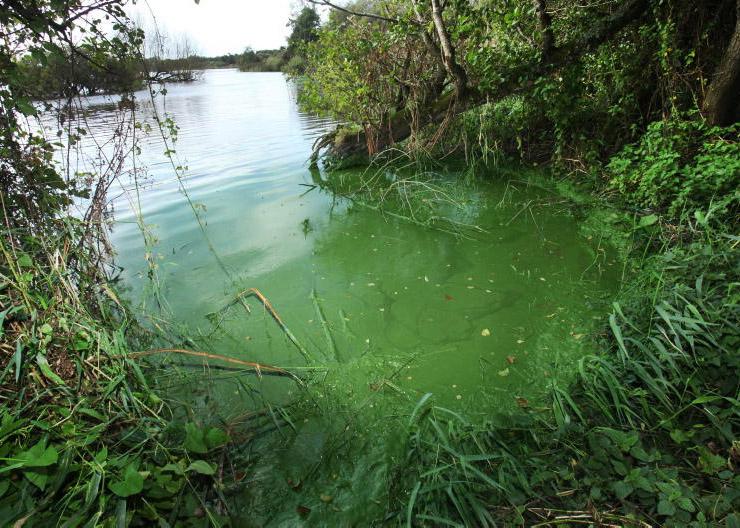
A science-led action plan approved by the NI Executive in July 2024 is “progressing well” with 15 of the 37 actions already delivered and the remaining 22 in progress, members of the Stormont Agriculture Committee were told last Thursday.
Briefing MLAs, Craig Hartin from DAERA said 8,100 farmers have now completed training for the Soil Nutrient Health Scheme (SNHS), while there have been seven “large-scale” CAFRE-led awareness events on the new Sustainable Agriculture Programme.
He also outlined progress with various initiatives to reduce nutrient loads getting into Lough Neagh, with the Sustainable Use of Livestock Slurry (SULS) project on target to divert 1,000t of excess phosphorus (P) from land spreading annually by October 2028.
That project involves separation of slurry, with the solids fraction used as a feedstock in anaerobic digestion.
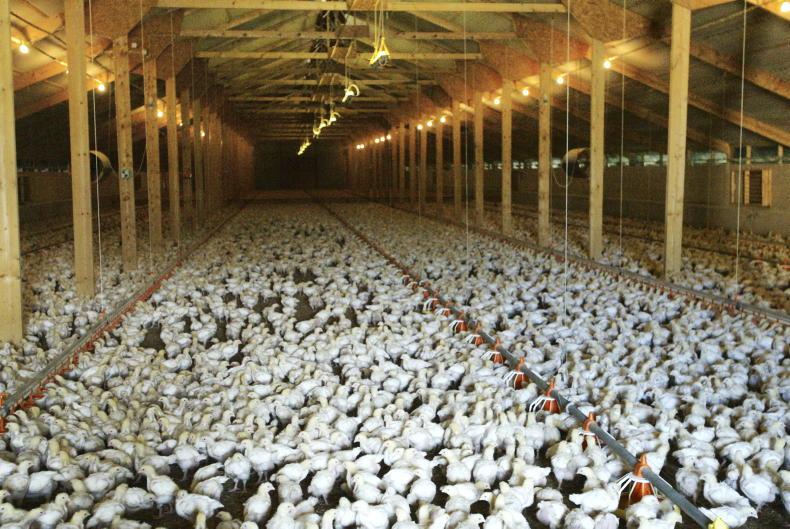
In addition, back in September 2025, five companies were awarded a total of £250,000 as a first stage in developing a sustainable solution to deal with nutrients from layer manures. These companies are to come forward with “a proof of concept” by March 2026, said Hartin.
Enforcement
He confirmed that the department has significantly increased staff numbers focused on monitoring compliance and enforcement within the Lough Neagh catchment, with 28 new posts filled within the NI Environment Agency (NIEA).
“They are strengthening NIEA’s capacity to identify key pressures in water quality and implement appropriate remedial actions,” he said.
As part of improved compliance, there is also a new communication strategy in place, with a major awareness campaign expected to begin in March 2026.
No quick fix
Despite the progress made, Hartin made clear there are no quick fixes to issues around algal blooms. “It will take many years, if not decades, to see substantial recovery, such is the depth and complexity of the problem at Lough Neagh,” he said.
During questions, he was asked by Newry and Armagh MLA Aoife Finnegan whether any progress has been made in bringing the Lough, which currently belongs to Lord Shaftesbury, back into community ownership.
“There have previously been conversations around community ownership just last year. There hasn’t been any real progress on those initial conversations going forward,” he responded.
It was also put to the DAERA official by Strangford MLA Michelle McIlveen that there is too much focus on agriculture’s contribution to issues at the Lough and not enough on the likes of NI Water.
“NI Water are also a key stakeholder in this action plan. We can debate the contribution of agriculture and wastewater and many people do, but the reality is we need to tackle all these issues if we can,” said Hartin.


SHARING OPTIONS