


The companies that farmers buy inputs from and sell produce to, seem to always be getting bigger in size and fewer in number.
There are plenty of local examples during the recent past. For example, there are notably fewer players in the dairy and meat processing sector in NI since I left college ten years ago.
But in a new book, Canadian academic Jennifer Clapp illustrates how consolidation in the agri food industry is a long running global phenomenon.
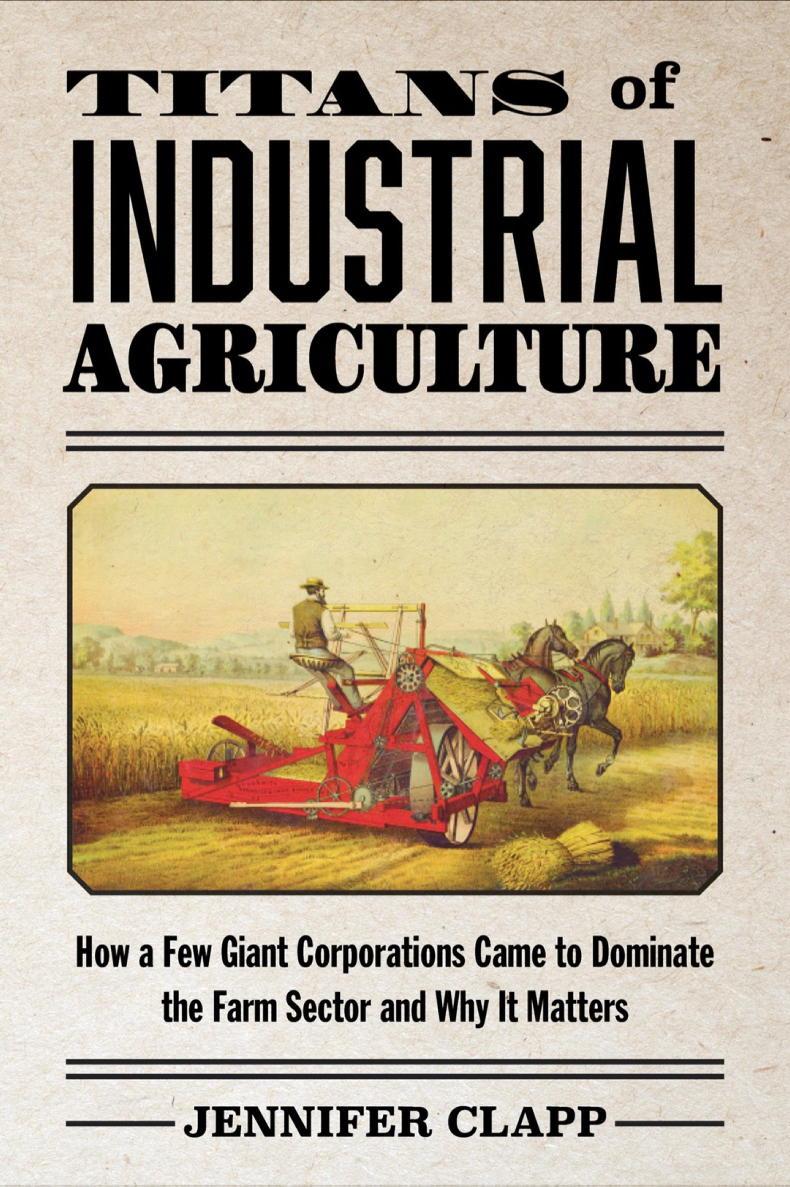
Titans of Industrial Agriculture takes a forensic look at the changes in four sub-sectors of agriculture: machinery, fertiliser, pesticides and seeds.
“Today, just a handful of giant transnational corporations dominate all of these markets,” Clapp writes in her introduction.
Whilst the book is mainly focussed on inputs for arable farms, the author notes that “similar dynamics are at play” in other parts of the food supply chain.
The main argument for mergers and buy outs is that it can lead to efficiencies and savings when companies consolidate.
But at the same time, farmers become concerned about weaker competition, as this can give firms more power to shape markets.
It can feel like David and Goliath.
Long history
In the book, Clapp writes that mergers and acquisitions have been going on in the machinery, fertiliser, pesticide and seed sectors for well over a century.
She gives the example of a “megamerger” in 1902 when seven machinery manufacturers came together as the International Harvester Company to command 85% of the US tractor market.
Our history lesson starts much earlier though when the mechanical reaper was invented in the early 19th century, and Cyrus McCormick then patented his design in 1834.
Indeed, Clapp describes intellectual property protections, such as patents, as “a vital factor” in early development of all four farm input sectors.
Poor profits
A key factor that appears to drive consolidation throughout history is a lack of profitability.
A good example is seen in the 1980s when poor grain prices led to a major drop off in machinery purchases by US farmers and manufacturers were left facing bankruptcy.
“There’s going to have to be some marriages, or there’s going to have to be some deaths,” said the boss of International Harvester at the time, Donald Lennox.
He was right. His firm was bought by Case in 1985, and it eventually became CNH Industrial, which includes the Case and New Holland tractor brands of today.
Key changes
Clapp outlines the key changes in the farm machinery sector in thorough detail, although it can make for tricky reading at times.
Thankfully, a very useful flow chart diagram is laid out which shows the main mergers and acquisitions from the 1830s until today.
Similar diagrams are used in later chapters which show the changes across the other three farm input sectors under question.
Each flow chart ends with less than a handful of firms dominating the present-day market and Clapp quotes plenty of figures to back it up.
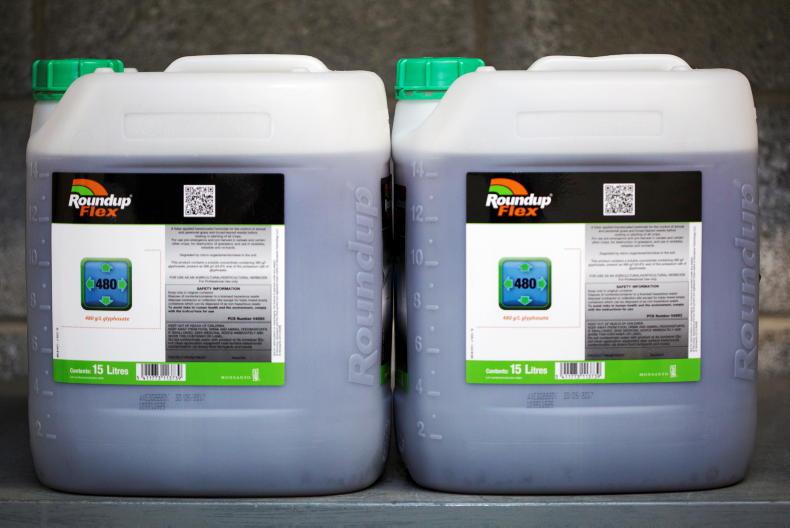
“From 2018 to 2020, the top four seed and agrochemical firms – Bayer, Syngenta Group, Corteva and BASF – controlled between 60-70% of the global pesticides market and 50-60% of the $45bn global seed market,” she writes.
A long history of fertiliser market dominance
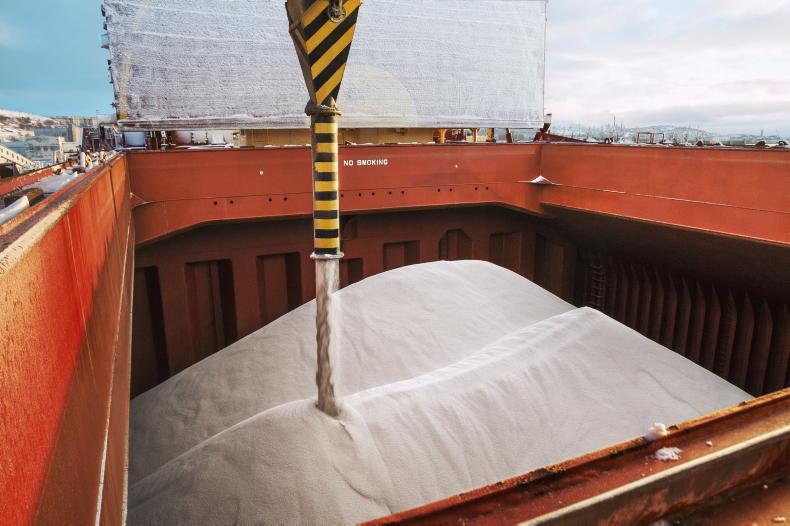
Fertiliser is probably the farm input which most NI farmers would associate with large companies that operate at a global scale.
In Titans of Industrial Agriculture, Jennifer Clapp states that the commercial fertiliser industry “has long been dominated by just a few firms”.
This runs back to the 19th century, which is long before the process for producing synthetic nitrogen fertiliser had been developed.
Before the Haber-Bosch process, the fertiliser trade mainly centred around guano (seabird droppings) and chemicals that could be mined from the earth.
Clapp points to a US government investigation into the fertiliser industry in the 1930s when firms got indictments for “cooperating with the international nitrogen cartel in ways that harmed the domestic market”.
Nearly a century later, farmers are still wary of practices in the fertiliser industry, with Clapp pointing to spiralling prices in the wake of the Russian invasion of Ukraine in 2022.
“The dominant firms used the uncertain situation to raise their prices by more than their own costs increased, which the firms themselves confirmed in their own financial statements,” she writes.
Recent mergers, research and technologies
Jennifer Clapp suggests that consolidation in agriculture was “turbocharged” from the 1980s onwards as more governments adopted free market policies.
“States implemented hands-off regulatory processes that put businesses in the driver’s seat,” the academic writes in her latest book.
Whilst most governments have competition laws to prevent monopolies, Clapp argues in recent years there have been “shifts in the interpretation and enforcement of anti-trust rules”.
She highlights recent mergers in the pesticides industry since 2015 where regulators “did require the firms to make certain changes” but “they were ultimately permitted to proceed”.
The book also sets out how a long running factor that drives mergers and acquisitions is the ability of larger firms to carry out research and development.
The author quotes an executive from the agrochemical firm Monsanto in 1920s to back this up: “In the organic chemical industry, the fellow who moves the fastest gets the profits.”
But there is an interesting counter argument put forward later in the book which centres around a potential lack of incentive for more research once a firm becomes dominant in a market.
“Why innovate new and better seeds and chemicals when you could continue to sell the existing ones?” Clapp writes.
Technology
Looking to the future, the author suggests the roll out of new technologies could further extend the power of dominant firms in agriculture.
Farmers using technologies and software packages often face “high switching costs” if they want to move away from the firm that provides their initial package.
There’s money in it too. Clapp states that an executive at John Deere predicted that by 2030, 10% of the firm’s revenue will be from software fees.
Industry analysis suggests the profit margin in farming software is 85%, compared to just 25% for farm machinery.
The right to repair movement is also discussed in the book, where farmers campaigned for the right to fix their own equipment, rather than having to use authorised parts and mechanics.



SHARING OPTIONS