Here we are again. It feels like no time since I wrote about this back in 2022 during the last energy crisis, and many of the same points still apply. As long as we have an economy dependent on fossil fuels, we will always be at the mercy of global energy markets and international affairs. Renewable energy is one of our own natural resources, and we need to harness it faster and at scale.
That aside, farmers are in the midst of another energy price shock as the impacts of conflict in the Middle East begin to filter down to farm level. So let us go back to basics and look at what changes can be made on farms to save energy and reduce costs.
Remember, the cheapest and greenest unit of energy is the one we do not use. While major investments like solar panels and new equipment can help, the easy wins are often overlooked. An energy efficiency-first approach and reducing overall energy consumption should be the main strategy for lowering energy bills over this challenging period.
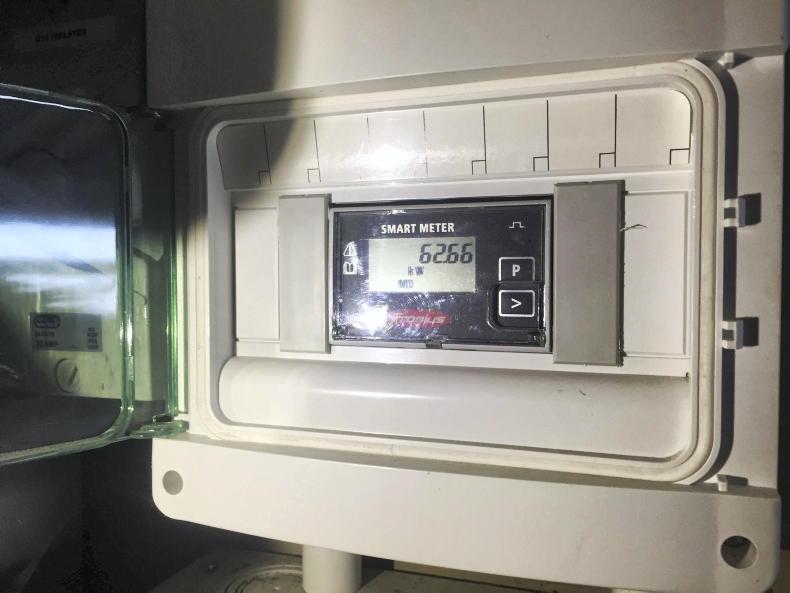
There have been some issues reported with smart meters.
Check your usage
If you have a smart meter, use it to monitor electricity consumption around the farm and identify which appliances or systems are using the most energy. Measuring, recording and benchmarking energy use across the farm is the first step to improving efficiency.
There have been some issues reported with smart meters, so it is important to take regular and accurate meter readings to understand how much energy is being used and where. You may be overcharged, although the opposite could also be true.
Lighting
One of the simplest places to save energy on farms is lighting. LED lights use up to 80% less electricity than traditional bulbs and last much longer, reducing replacement costs and electricity bills over time.
Motion sensors and timers are useful in sheds, yards and stores where lights are often left on unnecessarily. Lights should be turned off during the day where possible. Better use of natural light can help. Installing skylights or cleaning and replacing old roof lights can improve natural lighting and reduce the need for artificial lighting during the day.
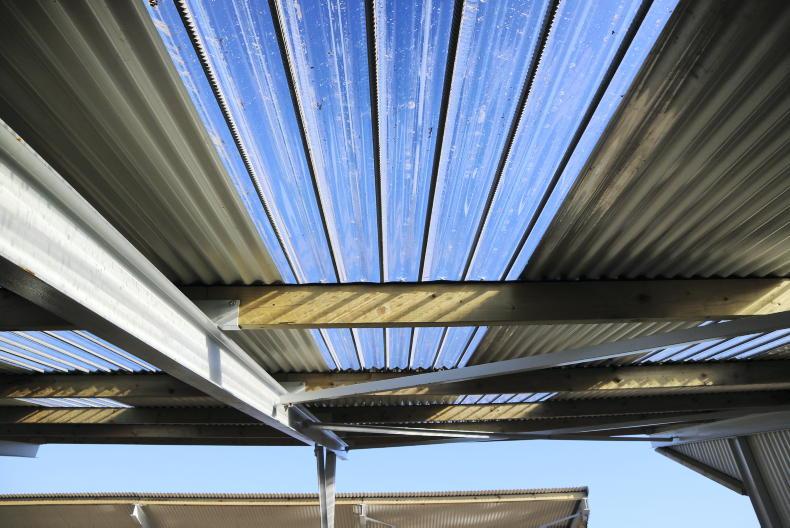
Installing, cleaning or replacing old roof lights can improve natural lighting.
Insulation and heat loss
Another key step in lowering energy costs on farms is insulation, both in the farmhouse and heated farm buildings such as pig and poultry houses, workshops and dairy buildings. Poorly insulated roofs, walls and doors can lead to significant heat loss, meaning heating systems must work harder and use more energy. In some cases, up to 25% of heating energy can be lost in poorly insulated buildings.
Insulating roofs and walls, fixing draughts around doors and windows, insulating hot water tanks and pipes, and using insulated doors can all improve heat retention and reduce energy costs. Even small draughts can cause significant heat loss over time, particularly in older buildings.
Ventilation
Ventilation systems should also be checked regularly. Fans and ducts should be cleaned and maintained, as dirty or blocked systems have to work harder and use more electricity. In some buildings, natural ventilation may be used instead of mechanical fans or cooling systems to reduce electricity use.
In some cases, heat recovery ventilation systems may be worth considering, as they can recover heat from outgoing air and use it to warm incoming air.
Milking parlour
Many modern dairy farms are already quite efficient when it comes to energy use in the milking parlour, but there are still savings to be made. The first step is to reduce energy wastage by fixing any hot water leaks, insulating hot water and refrigerant pipes, and ensuring equipment is running efficiently.
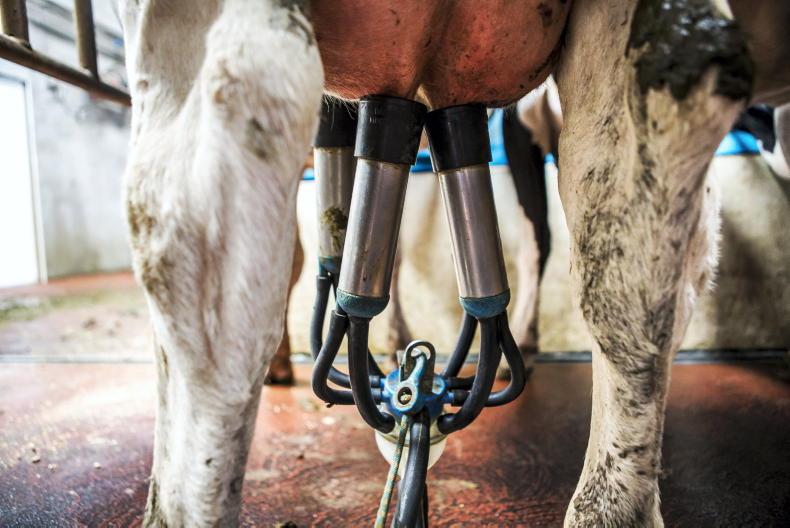
Most electricity on dairy farms is used for milk cooling, water heating and vacuum pumps, so these are the main areas to focus on. Plate coolers can be used to pre cool milk before it enters the bulk tank, reducing the workload on the cooling system. Heat recovery units can capture heat from the milk cooling system and use it to heat water, reducing electricity needed for water heating. Installing a variable speed drive on vacuum pumps will also reduce electricity consumption.
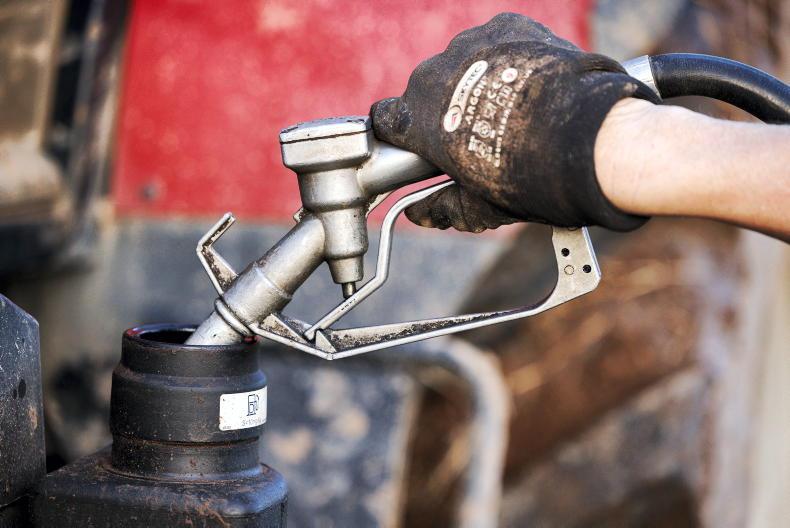
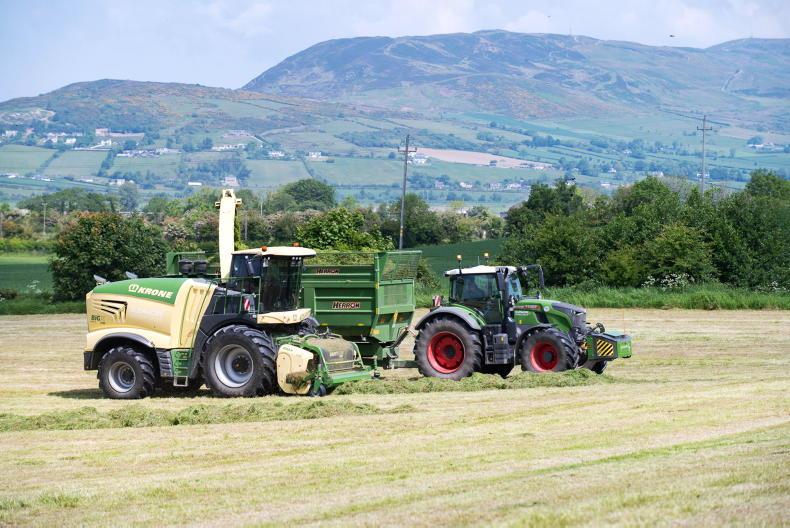
Finding ways to save on diesel is not always simple.
Diesel
Finding ways to save on diesel is not always simple. If a tractor is needed for a job, it has to be used, but it is still important to avoid unnecessary driving. Planning work in advance, combining jobs, and bringing tools and materials in one trip instead of several can help reduce fuel use over time.
Tyre pressure is also important, as incorrect pressure increases rolling resistance and engine strain, leading to higher fuel consumption. Lower tyre pressure is generally better for field work to improve traction, while higher pressure is better for road travel.
Ballasting and tractor weight must also be managed. The tractor needs enough weight to transfer power efficiently, especially for draft work like ploughing or cultivating. Too much weight increases fuel use, while too little causes wheel slip, which also wastes fuel. Ballast should be added when needed and removed when not required.
Other basic ways to improve diesel efficiency include operating at the correct RPM, avoiding long periods of idling, keeping servicing up to date, using GPS to avoid overlap in fields, and running the PTO efficiently where possible. Together, these measures should lead to modest savings.
Water pumps
Many farms rely on wells that require electric pumps to supply water, and these are often a forgotten piece of equipment. Over time, their efficiency can decline, resulting in reduced flow rates and longer running times.
Pumps may require servicing, and filters may need to be cleaned or replaced to ensure efficient operation.
The water pipe network is another area where energy can be wasted, so fixing leaks and avoiding unnecessary pumping is important. Pumping water during off peak electricity periods can also help reduce energy costs where possible.
Controls and small changes
Whether it is a farmhouse boiler or a more complex heating and ventilation system in a poultry or pig house, reliable thermostats and controls are very important. Farmers should check that controls are working properly and correctly calibrated, and that water is not heated more than necessary.
There are also several small changes that can reduce energy use around the farm. Turn off non critical equipment when not in use rather than leaving it on standby. Equipment such as generators, heaters and pumps should be kept clean and well maintained so they run efficiently. Boilers should be serviced regularly with switches clearly labelled.
Shop around
Do not be afraid to shop around for the best price for electricity, gas, diesel or oil. For the most part, energy suppliers are not loyal to you, so there is no reason to be loyal to them. Use online comparison tools to check prices. There are savings to be made.
Renewable energy
Renewable energy is not a quick fix and requires investment, but technologies such as solar PV can significantly reduce farm electricity costs over time. Once installed and paid off, the electricity generated is essentially free. Farms often use electricity during the day for milking, water heating, pumps and ventilation, which suits solar production well.
Farmers can also consider battery storage or exporting excess electricity to the grid where available. While the initial cost is high, renewable energy can reduce long term electricity costs and improve farm sustainability.
Here we are again. It feels like no time since I wrote about this back in 2022 during the last energy crisis, and many of the same points still apply. As long as we have an economy dependent on fossil fuels, we will always be at the mercy of global energy markets and international affairs. Renewable energy is one of our own natural resources, and we need to harness it faster and at scale.
That aside, farmers are in the midst of another energy price shock as the impacts of conflict in the Middle East begin to filter down to farm level. So let us go back to basics and look at what changes can be made on farms to save energy and reduce costs.
Remember, the cheapest and greenest unit of energy is the one we do not use. While major investments like solar panels and new equipment can help, the easy wins are often overlooked. An energy efficiency-first approach and reducing overall energy consumption should be the main strategy for lowering energy bills over this challenging period.
There have been some issues reported with smart meters.
Check your usage
If you have a smart meter, use it to monitor electricity consumption around the farm and identify which appliances or systems are using the most energy. Measuring, recording and benchmarking energy use across the farm is the first step to improving efficiency.
There have been some issues reported with smart meters, so it is important to take regular and accurate meter readings to understand how much energy is being used and where. You may be overcharged, although the opposite could also be true.
Lighting
One of the simplest places to save energy on farms is lighting. LED lights use up to 80% less electricity than traditional bulbs and last much longer, reducing replacement costs and electricity bills over time.
Motion sensors and timers are useful in sheds, yards and stores where lights are often left on unnecessarily. Lights should be turned off during the day where possible. Better use of natural light can help. Installing skylights or cleaning and replacing old roof lights can improve natural lighting and reduce the need for artificial lighting during the day.
Installing, cleaning or replacing old roof lights can improve natural lighting.
Insulation and heat loss
Another key step in lowering energy costs on farms is insulation, both in the farmhouse and heated farm buildings such as pig and poultry houses, workshops and dairy buildings. Poorly insulated roofs, walls and doors can lead to significant heat loss, meaning heating systems must work harder and use more energy. In some cases, up to 25% of heating energy can be lost in poorly insulated buildings.
Insulating roofs and walls, fixing draughts around doors and windows, insulating hot water tanks and pipes, and using insulated doors can all improve heat retention and reduce energy costs. Even small draughts can cause significant heat loss over time, particularly in older buildings.
Ventilation
Ventilation systems should also be checked regularly. Fans and ducts should be cleaned and maintained, as dirty or blocked systems have to work harder and use more electricity. In some buildings, natural ventilation may be used instead of mechanical fans or cooling systems to reduce electricity use.
In some cases, heat recovery ventilation systems may be worth considering, as they can recover heat from outgoing air and use it to warm incoming air.
Milking parlour
Many modern dairy farms are already quite efficient when it comes to energy use in the milking parlour, but there are still savings to be made. The first step is to reduce energy wastage by fixing any hot water leaks, insulating hot water and refrigerant pipes, and ensuring equipment is running efficiently.
Most electricity on dairy farms is used for milk cooling, water heating and vacuum pumps, so these are the main areas to focus on. Plate coolers can be used to pre cool milk before it enters the bulk tank, reducing the workload on the cooling system. Heat recovery units can capture heat from the milk cooling system and use it to heat water, reducing electricity needed for water heating. Installing a variable speed drive on vacuum pumps will also reduce electricity consumption.
Finding ways to save on diesel is not always simple.
Diesel
Finding ways to save on diesel is not always simple. If a tractor is needed for a job, it has to be used, but it is still important to avoid unnecessary driving. Planning work in advance, combining jobs, and bringing tools and materials in one trip instead of several can help reduce fuel use over time.
Tyre pressure is also important, as incorrect pressure increases rolling resistance and engine strain, leading to higher fuel consumption. Lower tyre pressure is generally better for field work to improve traction, while higher pressure is better for road travel.
Ballasting and tractor weight must also be managed. The tractor needs enough weight to transfer power efficiently, especially for draft work like ploughing or cultivating. Too much weight increases fuel use, while too little causes wheel slip, which also wastes fuel. Ballast should be added when needed and removed when not required.
Other basic ways to improve diesel efficiency include operating at the correct RPM, avoiding long periods of idling, keeping servicing up to date, using GPS to avoid overlap in fields, and running the PTO efficiently where possible. Together, these measures should lead to modest savings.
Water pumps
Many farms rely on wells that require electric pumps to supply water, and these are often a forgotten piece of equipment. Over time, their efficiency can decline, resulting in reduced flow rates and longer running times.
Pumps may require servicing, and filters may need to be cleaned or replaced to ensure efficient operation.
The water pipe network is another area where energy can be wasted, so fixing leaks and avoiding unnecessary pumping is important. Pumping water during off peak electricity periods can also help reduce energy costs where possible.
Controls and small changes
Whether it is a farmhouse boiler or a more complex heating and ventilation system in a poultry or pig house, reliable thermostats and controls are very important. Farmers should check that controls are working properly and correctly calibrated, and that water is not heated more than necessary.
There are also several small changes that can reduce energy use around the farm. Turn off non critical equipment when not in use rather than leaving it on standby. Equipment such as generators, heaters and pumps should be kept clean and well maintained so they run efficiently. Boilers should be serviced regularly with switches clearly labelled.
Shop around
Do not be afraid to shop around for the best price for electricity, gas, diesel or oil. For the most part, energy suppliers are not loyal to you, so there is no reason to be loyal to them. Use online comparison tools to check prices. There are savings to be made.
Renewable energy
Renewable energy is not a quick fix and requires investment, but technologies such as solar PV can significantly reduce farm electricity costs over time. Once installed and paid off, the electricity generated is essentially free. Farms often use electricity during the day for milking, water heating, pumps and ventilation, which suits solar production well.
Farmers can also consider battery storage or exporting excess electricity to the grid where available. While the initial cost is high, renewable energy can reduce long term electricity costs and improve farm sustainability.







SHARING OPTIONS