


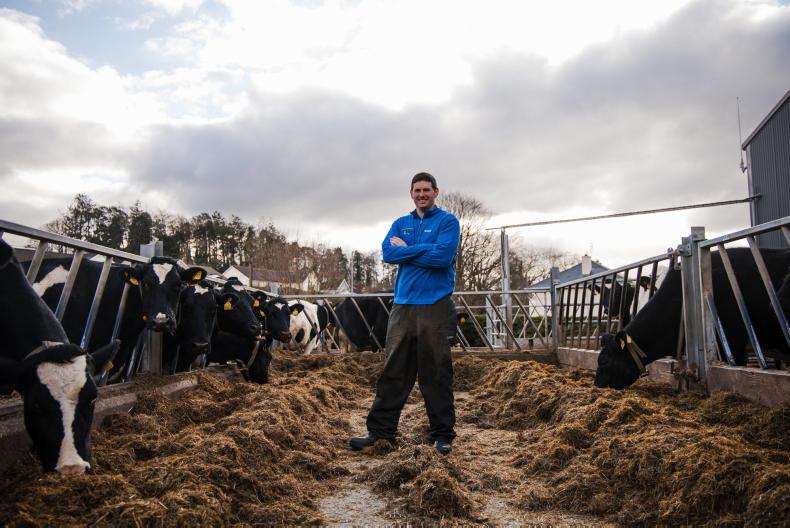
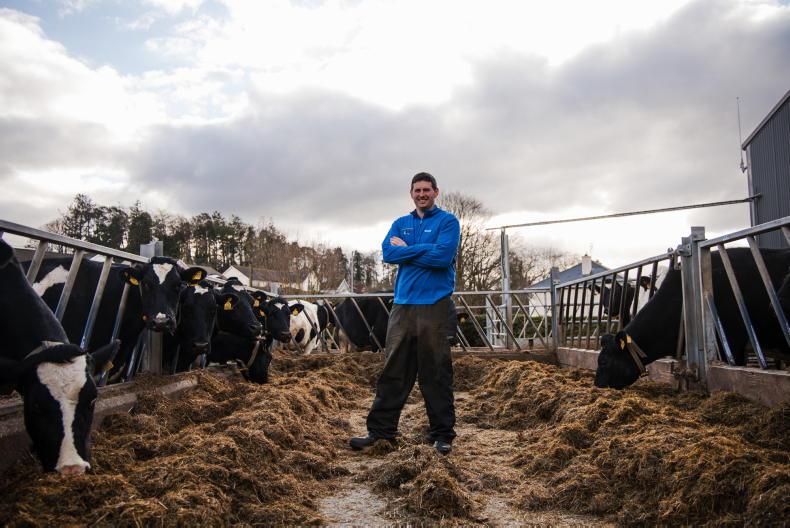
All the cows are dry here in Abbeyleix now and have settled well into their dry cow diet. The transition has gone smoothly so far.
The last few cows to be dried off are staying on hay for another week or two until their bags are fully dried up, after which they’ll move onto the dry cow silage. It’s time well spent now, as mistakes made during the dry period usually show up later when you can least afford them.
The earlier-calving cows have started on pre-calving minerals. Calving still feels a bit off, but in reality we’ll have the first calves on the ground in four to five weeks. We’ll regroup the cows next week based on calving date to make things easier when it gets busy. Anything that simplifies the workload in spring is worth doing.
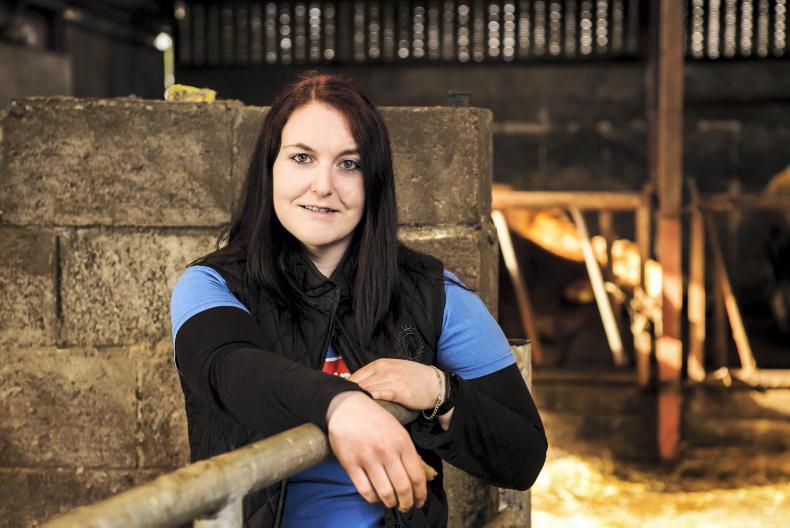
Klara’s sheep are also housed now and settled ahead of lambing in mid-January. The plan is to have them back out to grass again before calving really gets going on the dairy side. That should free up shed space and help spread the workload. Spring gets crowded very quickly, and getting jobs done early makes a big difference.
From a production point of view, the cows finished the year at just over 550kg of milk solids per cow. We hadn’t hit that level for a few years, so it’s positive to see performance back there again. It came from sticking to the basics - grass management, cow type and keeping the system simple. Hopefully we can build on it again next year.
I used Genocells testing in November and December to identify cows eligible for selective dry cow therapy. It’s a handy service and far less hassle than doing multiple milk recordings at a time of year when there’s already plenty going on. We did a full milk recording in October and, combined with the Genocells results, it gave us the information we needed without extra workload.
TB
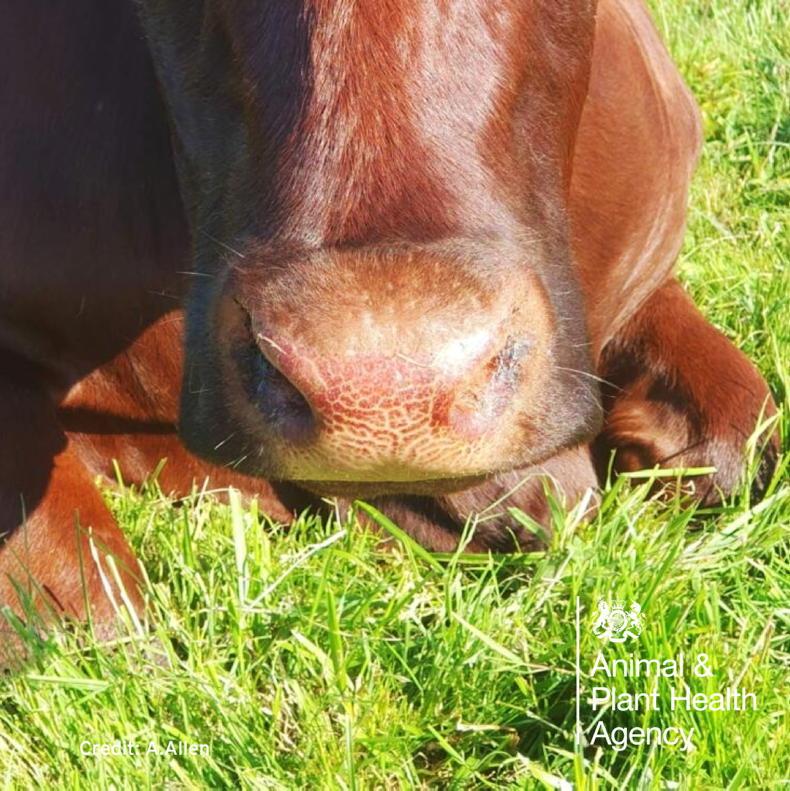
TB is the main worry hanging over the place at the moment. Our three reactor cows left the farm a week after the test, but that’s only the start of it. By the time this goes to print, we’ll have the blood results back from testing the rest of the cows, and all we can do is hope that we don’t lose too many more. The uncertainty is probably the hardest part – trying to plan for spring while not knowing what stock will still be here, or when we will get clear.
From talking to other farmers who have been through TB breakdowns, it’s clear that the real difficulty often comes later. The disruption to calving, stock movement and general flexibility can be enormous, and the mental toll shouldn’t be underestimated.
It’s something that sits in the background of every decision and adds another layer of stress at a time when there is already plenty to think about.
More generally, farming in 2025 feels more controlled and scrutinised than ever. Every decision seems to come with paperwork, inspections or the threat of penalties. Most farmers aren’t against higher standards, but the pace of change and lack of clarity is wearing. Between nitrates rules, the future of the derogation, CAP changes and ongoing inspections, it’s hard to know where you stand from one year to the next.
The uncertainty around Mercosur only adds to that. Irish farmers are being asked to reduce output while competing with food imports produced to very different standards. That raises real questions about food security and whether it makes sense to weaken domestic production.
This is where we need clearer political leadership. Decisions need to be made with the long-term interests of the country in mind, not just the next election. That applies to agriculture, but also to areas like health and housing, where the lack of joined-up planning is obvious. Strong food production, a functioning health service and adequate housing are all basics of a resilient country, and none of them benefit from short-term thinking.
Despite all of this, farming goes on because it has to. Cows still need to be milked, calves still need to be fed and grass still needs to be grown. Farmers will keep adapting and getting on with the job, but there’s a limit to how much uncertainty people can carry.
For now, the focus here is on getting through the winter, keeping cows and sheep healthy, and being as ready as possible for the spring ahead. There’s plenty outside our control, but we’ll deal with what we can, one job at a time, as farmers always have.



SHARING OPTIONS