A recent trip in the past week has seen me interacting and dealing with a large volume of UK farmers. After the formalities were exchanged, one farmer asked me: “Why are you sending all that Irish beef over here?”
I wasn’t shocked by his comment, but the worrying thing was that I hadn’t an answer. So why is so much Irish beef heading over the pond?
I recognise it is a vital trade link and one that Irish agriculture could not survive without. However, processors and farmers can become too reliant on one outlet that means other outlets get neglected, and when one link breaks in this chain, this can lead to severe consequences.
From chatting with UK beef farmers, it became apparent that they too are facing the same issues as here. Problems like weight and prices top of the agenda. While discussing these issues I mentioned the swing in the Irish beef industry towards more traditional, early maturing breeds. The answer to this statement interested me most and stood out as the key point.
UK farmers have been producing these traditional breeds for many decades, if not centuries, but when it came down to peaks in supply this was of no difference, prices plummeted.
This brought me back to the Irish situation where there are suggestions to be finishing earlier maturing beef, but, like a lot of things associated with finishing cattle here, this is never as straight forward as it seems.
My immediate concerns are:
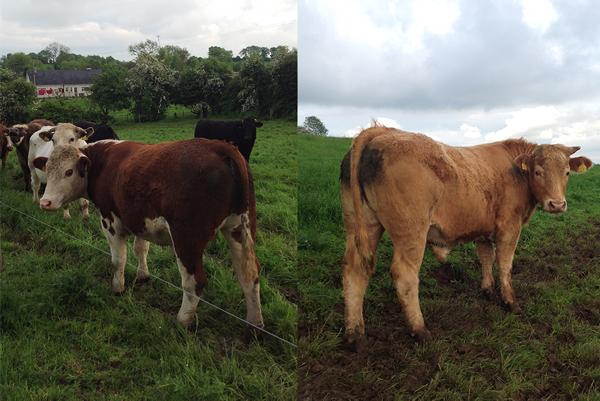
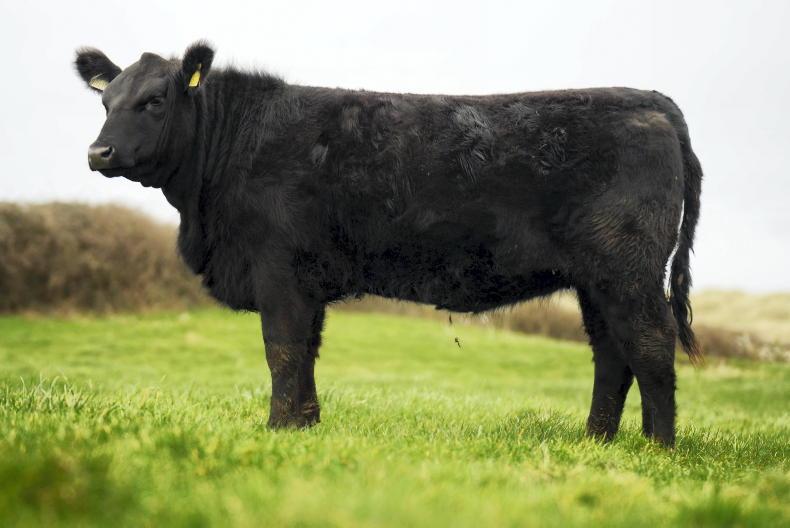
Sourcing good quality traditional breedsWill the situation change again in a couple of years?At present in most marts the selection of good quality Angus or Hereford stock are limited and in most cases are by products of the dairy industry. I don’t use the term good quality loosely. Good quality being an animal that will grade R= or better.
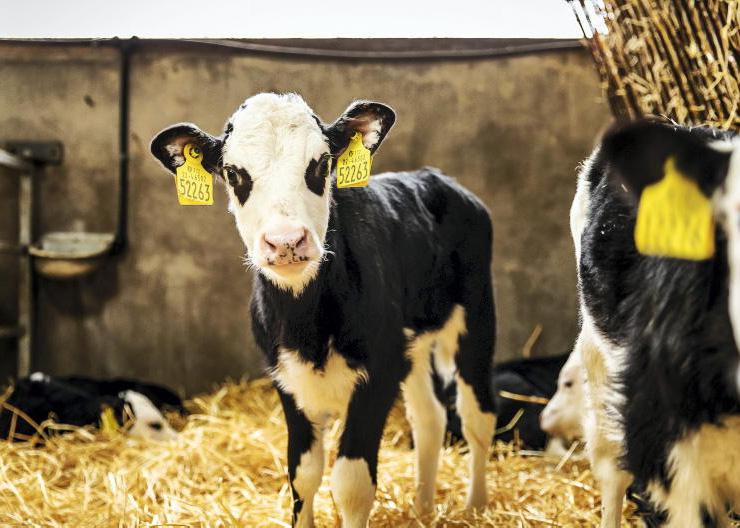
Let’s not forget that we are still working within the constraints of a grid system and to maximise the value of any animal we need to receive at least the base price plus quality assurance. Only a very good quality British Friesian cow will do this. The suckler herd as it stands does not have enough Angus or Hereford cows to supply the market with quality weanlings or stores.
This brings me onto my second point and that is as beef farmers we have very short memories because it isn’t that long ago that we driving to achieve a high quality, lean, continental carcase. So as an industry we strived to achieve more U grade carcases. Now that most of us are at that point, the goal posts move. For those two reasons I am uneasy about any drastic changes to our system.
Time will tell if my decision has been wrong.
A recent trip in the past week has seen me interacting and dealing with a large volume of UK farmers. After the formalities were exchanged, one farmer asked me: “Why are you sending all that Irish beef over here?”
I wasn’t shocked by his comment, but the worrying thing was that I hadn’t an answer. So why is so much Irish beef heading over the pond?
I recognise it is a vital trade link and one that Irish agriculture could not survive without. However, processors and farmers can become too reliant on one outlet that means other outlets get neglected, and when one link breaks in this chain, this can lead to severe consequences.
From chatting with UK beef farmers, it became apparent that they too are facing the same issues as here. Problems like weight and prices top of the agenda. While discussing these issues I mentioned the swing in the Irish beef industry towards more traditional, early maturing breeds. The answer to this statement interested me most and stood out as the key point.
UK farmers have been producing these traditional breeds for many decades, if not centuries, but when it came down to peaks in supply this was of no difference, prices plummeted.
This brought me back to the Irish situation where there are suggestions to be finishing earlier maturing beef, but, like a lot of things associated with finishing cattle here, this is never as straight forward as it seems.
My immediate concerns are:
Sourcing good quality traditional breedsWill the situation change again in a couple of years?At present in most marts the selection of good quality Angus or Hereford stock are limited and in most cases are by products of the dairy industry. I don’t use the term good quality loosely. Good quality being an animal that will grade R= or better.
Let’s not forget that we are still working within the constraints of a grid system and to maximise the value of any animal we need to receive at least the base price plus quality assurance. Only a very good quality British Friesian cow will do this. The suckler herd as it stands does not have enough Angus or Hereford cows to supply the market with quality weanlings or stores.
This brings me onto my second point and that is as beef farmers we have very short memories because it isn’t that long ago that we driving to achieve a high quality, lean, continental carcase. So as an industry we strived to achieve more U grade carcases. Now that most of us are at that point, the goal posts move. For those two reasons I am uneasy about any drastic changes to our system.
Time will tell if my decision has been wrong.






SHARING OPTIONS