


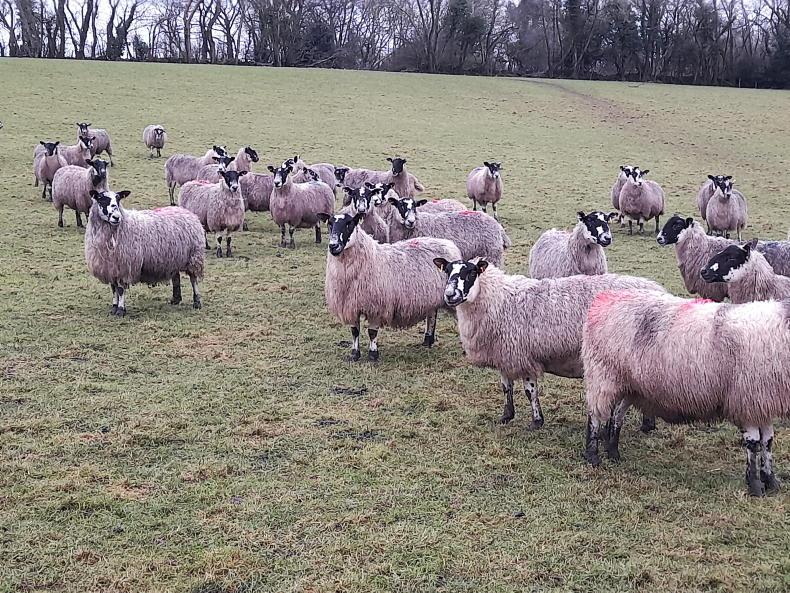
That delicate balance between the euphoria of scanning for triplets and the resultant chaos from finishing those multiple births was brought into sharp focus last week.
Just after Christmas, we had an excellent pregnancy scan on the main flock, including 36 sets of trebles. A couple of weeks later, I decided to sell the final 10 fat lambs from last year which, as you might imagine, were a charming bunch of ne’er-do-wells.
No sooner had I booked them in than one of them dropped dead for no apparent reason.
Unsurprisingly, this was one of the pet lambs. Funnily enough, it had developed a dose of the pants (I have no idea what the veterinary term might be) as a young lamb but had recovered enough to live for nine months and consume half a tonne of meal.
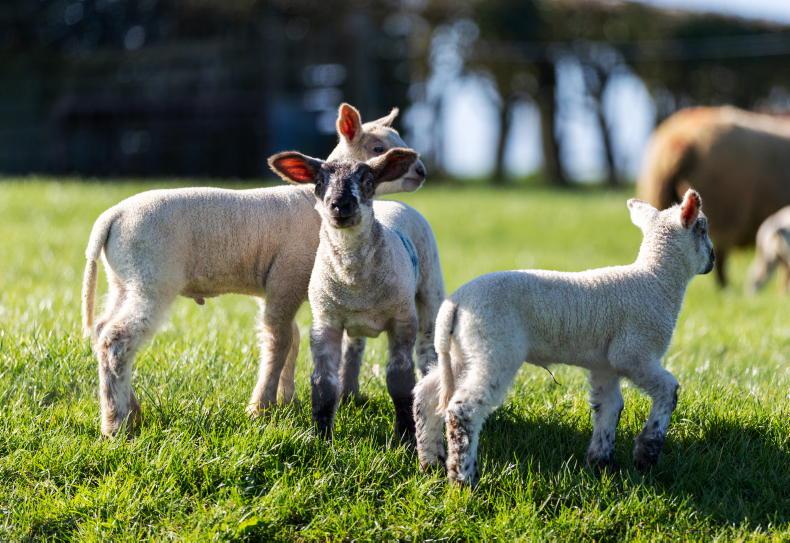
From time to time this lung condition would flare up and it would threaten to expire, only to magically improve again. The eventual demise of this pot-bellied runt merely adds fuel to the compelling argument that all extra lambs should be sold or given away at birth. Or are we better off keeping them?
Scanning
One hundred and eighty ewes have scanned at 192%, and that figure includes half a dozen that are currently showing as empty. If other years are much of an indicator, some of these will eventually put up wee udders and may lamb towards the end of May. (Accusations that I don’t run a tight ship are entirely legitimate.)
Irrespective of lambing dates, I think now is probably a good time to plan ahead regarding how we handle this year’s extras.
My gut feeling would be that if any farm has the labour available (we do), and the time (yep, think so), and the inclination to rear pets (Susan does) and is prepared for the emotional highs and lows of such a venture (hmm, not so sure) then give it a go.
I swing wildly from wanting everything – to rear triplets etc, until a few wrecked udders cause me to suddenly enthuse about artificially reared lambs. I suspect we’ll finish up like other years by falling between stools and having a mixture of systems, none of which will be perfect.
Finances
Strong lamb prices translate into a positive result for pet lambs. I remember rearing pets when finished lambs were making about £75 and back then it really was a breakeven job.
What was far worse was having a conversation with some self-satisfied sheep person who had (in their condescending words) “let them rip”, for £10 per head. Any time I tried to sell a pile of them I seemed to hit one of those peak lambing periods when you could hardly give lambs away. But these days it’s slightly different.
Certainly, pets are worth upwards of £15 and sometimes much more, but we now have a bigger margin to play with.
A very rough set of figures (including some guesswork) tells me we started last season with 25 pets.
Three of them died at various stages and the remaining 22 averaged about £136 after deductions. Almost £36 per head was spent on milk powder, possibly £15 on concentrate and maybe an extra £3 on doses, over and above the rest of the lambs that were reared by the mothers.
No matter how I count it up, there seems to be some reward for all that hassle and bother. If 22 lambs brought in a margin of £1,760 and 25 lambs had been sold at £15 apiece, there appears to be about £1,400 extra for us to debate over.
Obviously, there are hidden costs that need to be added on, but there is still something to cling to in the hope that all the trouble was worth it.
Or to put it another way, I remember doing the sums when lamb was at a much lower price and the figures were disheartening enough to make me stop counting.
Regarding our own situation, I must admit that the relatively strong lamb prices do make it a worthwhile venture.
But in truth, I have a sneaking suspicion that both Susan and I just enjoy rearing pet lambs, warts and all.



SHARING OPTIONS