


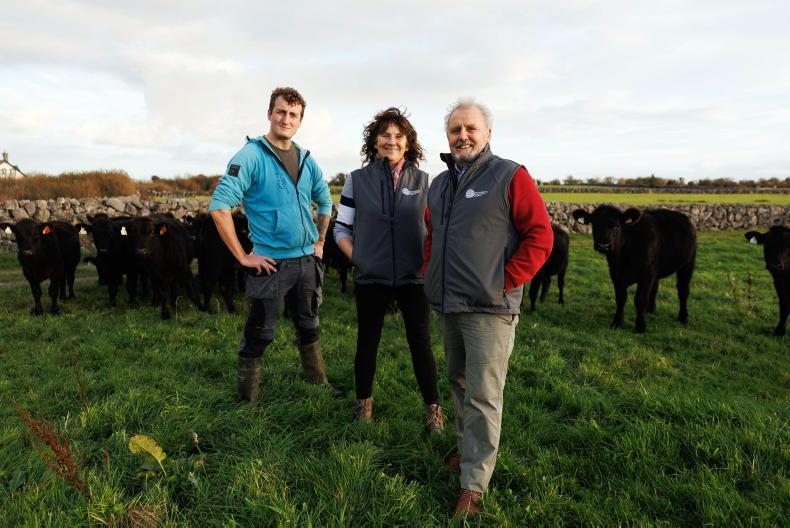
There are two distinct sides to the story of the McCormack’s farm in the Burren. In a way, it’s a tale of two Franks. One faction tells of how entrepreneurial husband and wife team, Frank Sr and Mary McCormack, came to not just own a farm in Boston, Tubber, but run it alongside another thriving business.
Frank Sr grew up in Kildare, where his father worked on a local farm estate and from a young age he harboured the dream of owning his own farm. This was realised alongside Mary at the age of 24, when they bought 48ac in the Burren.
Not enough to raise a family of eight children on, Frank Sr returned to stonemasonry. The couple went on to set up Irish Natural Stone, a sculpture and conservation business that has worked on projects from the Famine Memorial in New York to St Mel’s Cathedral and the Four Courts.
Farm partnership
The other side, well, its rooted in the here and now with the other Frank. Frank Jr, a lone brother among seven sisters, is now running the farm in partnership with his mother and a bit of guidance from his father.
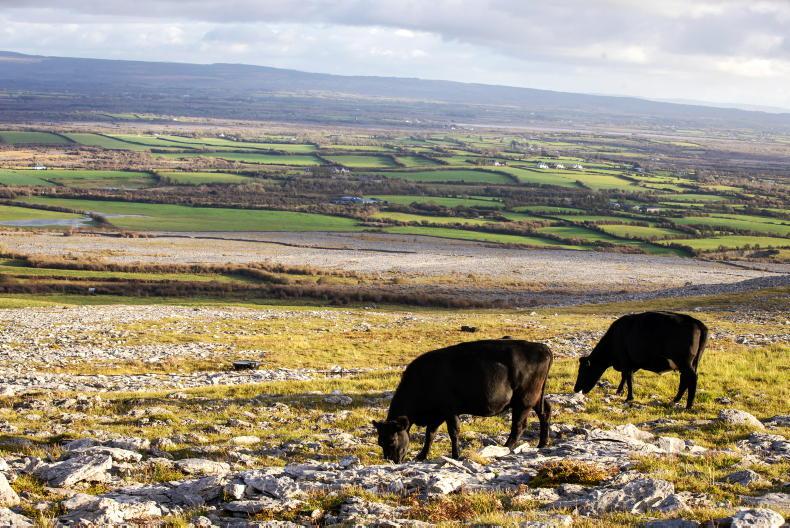
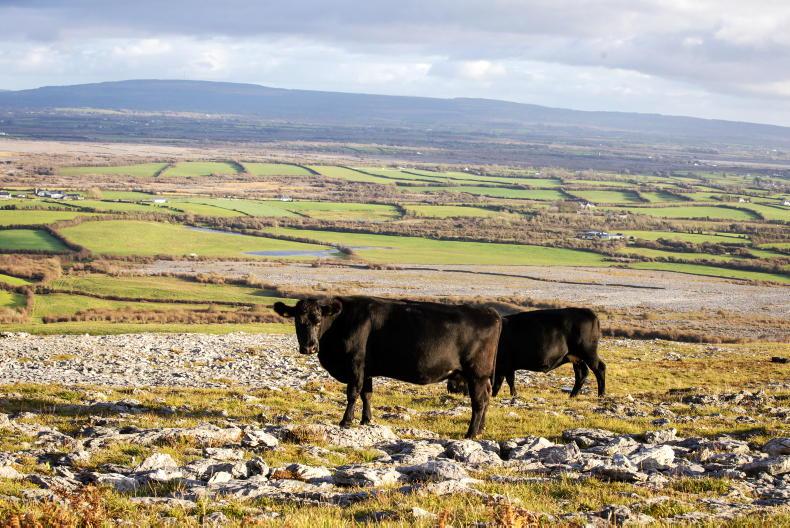
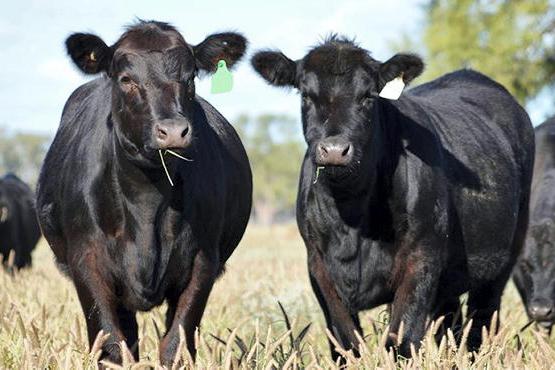
Over the years the farm has grown to 400ac, comprising 260ac of grassland and 140ac of winterage. They also moved away from what could be considered a more traditional suckler herd – although Frank Jr is keeping on his pedigree Angus cattle.
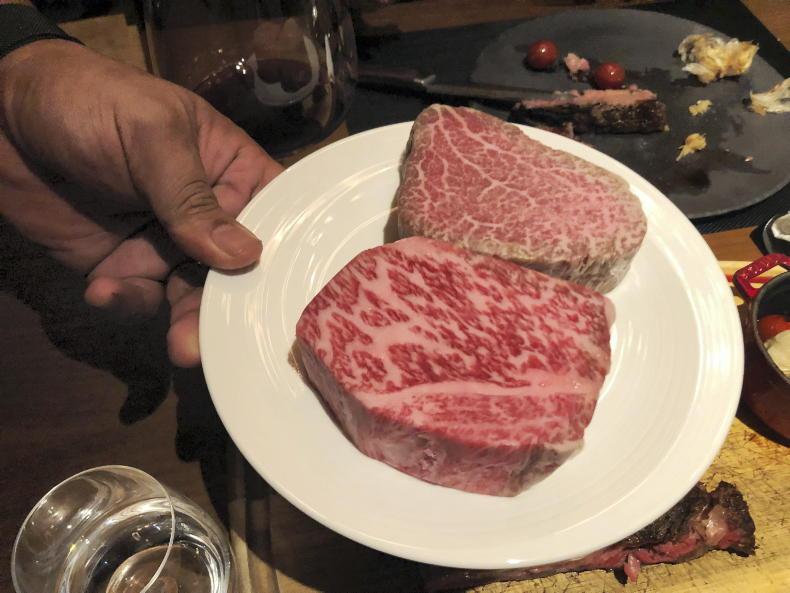
In recent years the farm has moved into Wagyu cattle, a Japanese breed with unique marbling to produce high-end, much sought-after steak. The farm currently runs 130 head of cattle – cows and calves – including 50 Wagyu cows, and also 40 ewes.
Frank Jr explains that his father saw Wagyu cattle enterprises on a trip to Australia and it took both their fancies.
“At the time I was working towards the purebred Angus, but I remember that year I probably had 100 quid left after every bill was paid.
“I did my research then. There was no one in the Burren doing Wagyu. So we took the leap. We bought a Wagyu bull, I bought a load of Angus-cross calves and started it all off,” he explains.
Now that move wasn’t today or yesterday, Burren Wagyu has been eight years in the making. The Franks crossed the calves a number of times to get as close to purebred Wagyu as possible.
A key element of the project is that the cattle are finished roughly between 36 and 38 months.
The plan is to sell directly to local hotels and restaurants, says Frank Sr, emphasising that the meat is produced wholly in the Burren, including the local grain they are fed.
This weekend the McCormacks will display their Wagyu wares.
As part of the Burren winterage weekend, they will host cattle drives on both Saturday and Sunday.
On Sunday also they will hold the Burren Food Fayre. With this on the very near horizon, it’s a good time for the Franks to reflect on the overall development of the farm.
Frank Sr credits that “Mary was half of everything I did”. With his son quipping: “You could probably add on a bit more percentage.”
A tale of two Franks and one Mary.
What is winterage?
A traditional Burren farming practice where cattle graze upland or winterage throughout winter. This is key to the survival of the region’s famous flora and fauna.



SHARING OPTIONS